What could happen next as nuclear agreement between Russia and US set to expire in 8 days

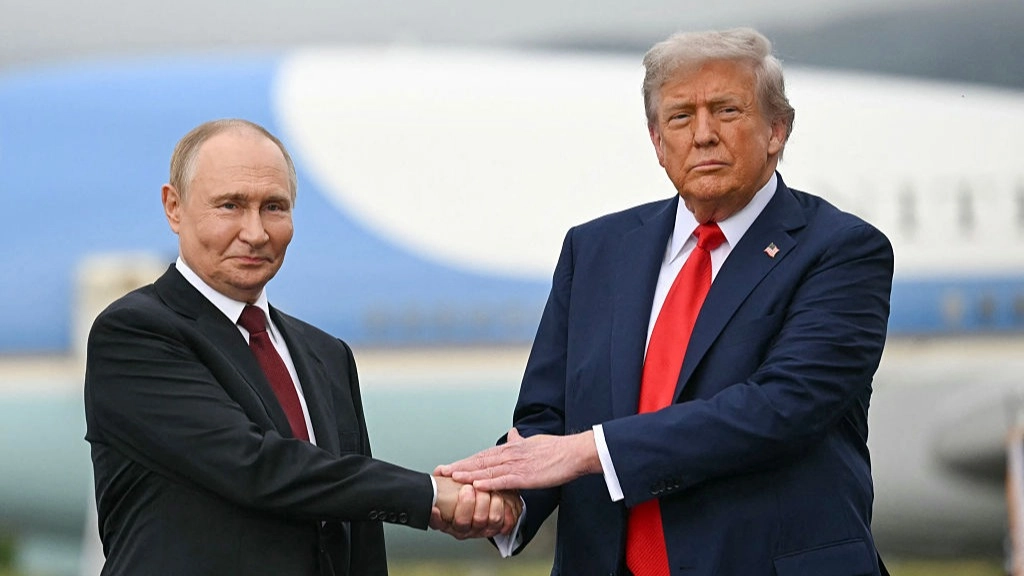
The last major arms control agreement between the US and Russia is about to expire - and there's currently no sign of it being extended.
It's not quite the news you want to hear just as the Doomsday Clock strikes closer to midnight than ever before.
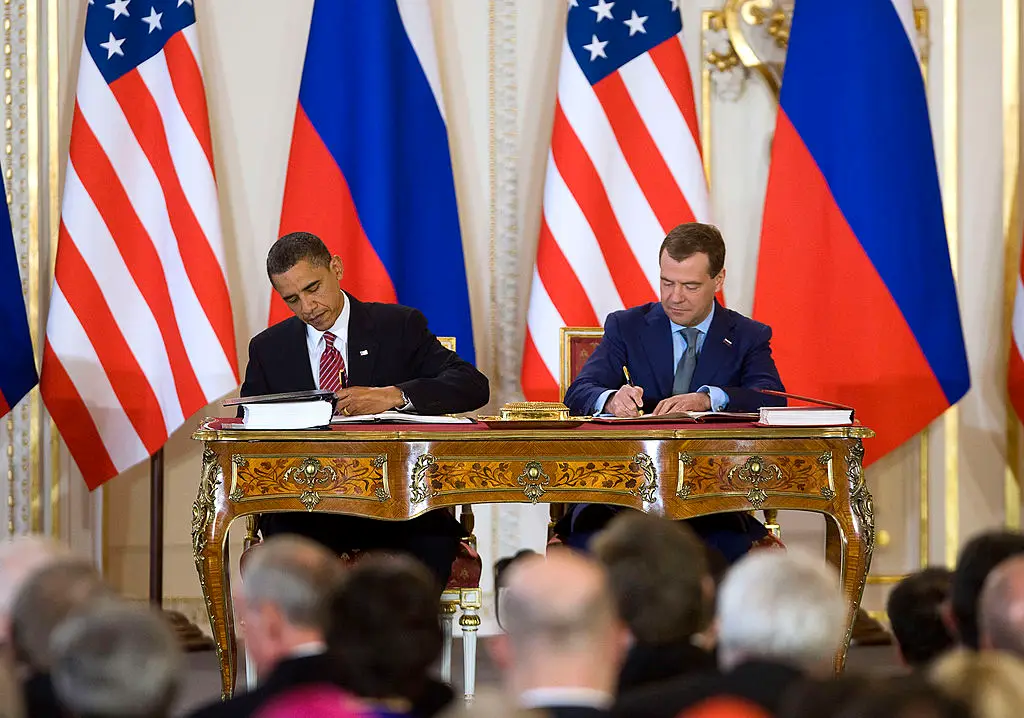
The New Strategic Arms Reduction Treaty (New START) was introduced to limit the amount of nuclear weapons both countries can deploy.
It was signed by then-Russian President Dmitry Medvedev and US leader Barack Obama in April 2010 in Prague and came into effect on February 5, 2011.
Advert
Under the deal, neither country is permitted to deploy any more than 1,550 warheads across 700 delivery vehicles, including missiles, bombers and submarines, as per the Nuclear Threat Initiative.
It also includes inspection and data-sharing to ensure both sides are complying, but doesn't limit nuclear weapons testing.
However, in February 2023, Putin announced the suspension of Russia's participation in the New START treaty, in order to prevent the US and NATO from inspecting its nuclear facilities.
The next day, the country said it would continue sharing certain data with the US, before backtracking weeks later.
Why is the New START treaty expiring?
The original treaty was extended by mutual agreement in February 2021, under US president Joe Biden.
Both Russia and the US agreed to prolong it by five years, pushing the expiration out to February 5, 2026.
However, as it stands, the treaty was only able to be extended that one time.
Back in July, Trump told reporters he was 'starting to work' on the New START treaty, adding: "That is a big problem for the world, when you take off nuclear restrictions," as per Reuters.
For now, its future appears to remain up in the air.
What has Russia said?
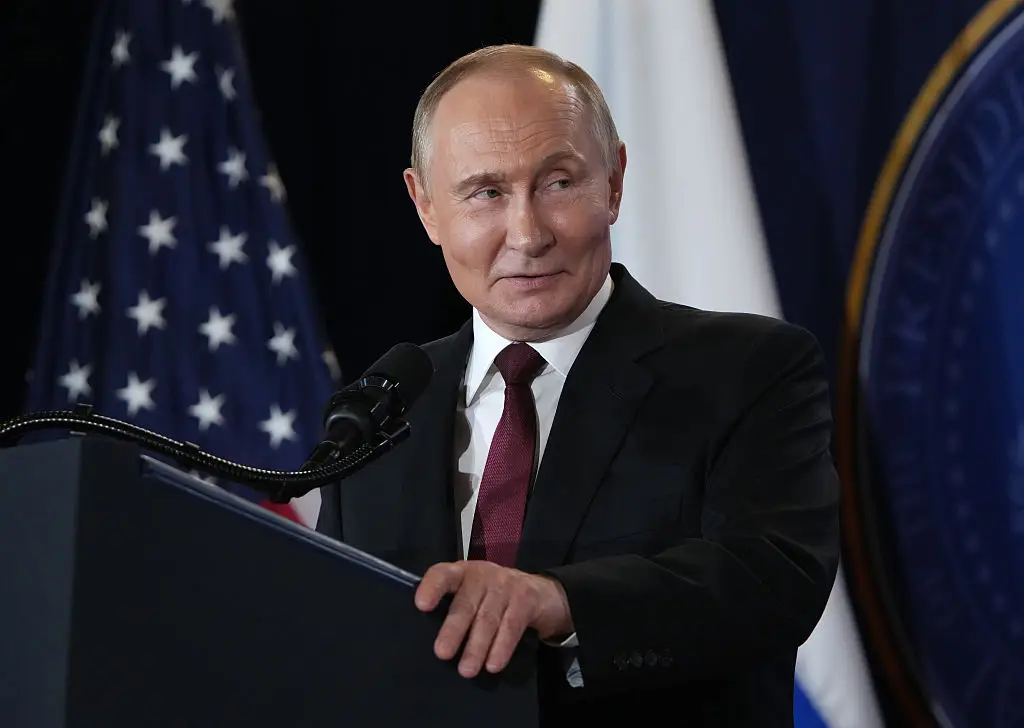
In September, Putin tabled an offer to maintain the current limits on its nuclear weapons deployments, should the US agree to do the same.
But he added that it's no biggie should the deal not come off.
"Will these few months be enough to make a decision on an extension?" he told reporters, as per Al Jazeera.
"I think it will be enough if there is goodwill to extend these agreements. And if the Americans decide they don’t need it, that’s not a big deal for us."
Putin added that the country was 'ready to negotiate if it's acceptable and useful the Americans'.
He said: "If not, then no, but that would be a shame, because then there would be nothing left in terms of deterrence in the area of strategic offensive weapons."
Russia has openly admitted to continuing to develop and test new-generation nuclear weapons, too.
What will Trump do next?
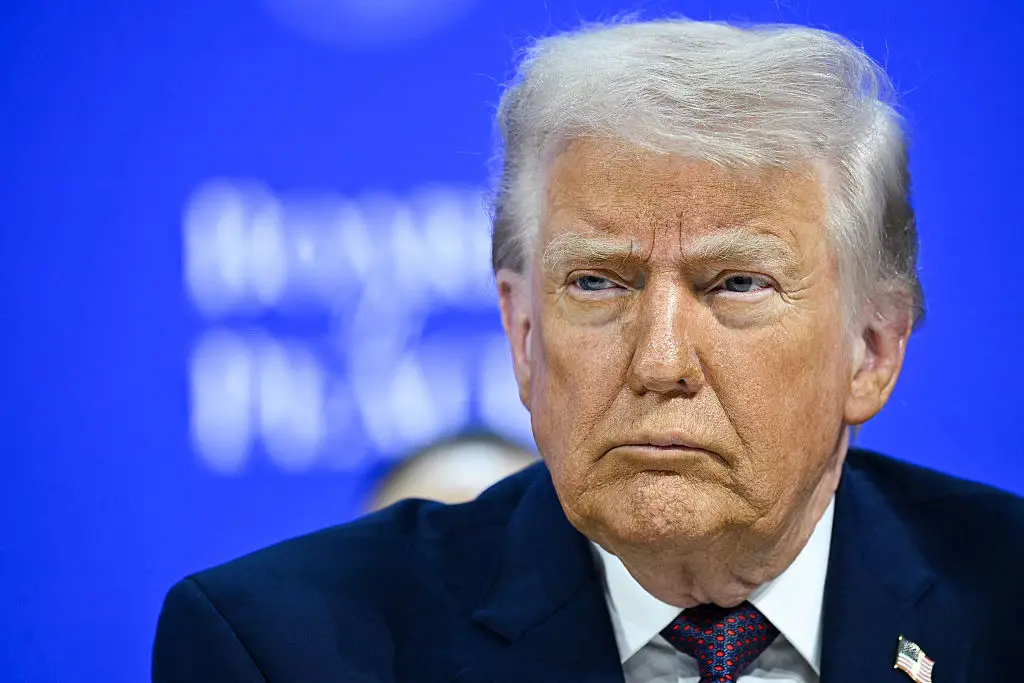
The self-declared 'President of Peace' has suggested two somewhat contradictory ideas so far.
In October, when asked about Putin's offer, Trump told reporters: "Sounds like a good idea to me."
Earlier this month, though Trump told the New York Times: "If it expires, it expires. We'll just do a better agreement."
He went on to suggest involving China - which is aggressively expanding its nuclear arsenal - in any new treaty.
"You probably want to get a couple of other players involved also," he said.
According to the Stockholm International Peace Research Institute, China has doubled its arsenal from 300 weapons in 2020 to more than 600 by early 2025.
That number could reportedly snowball to more than 1,000 warheads by 2030 and 1,500 by 2035.
When Reuters approached the White House for comment on Trump's 'better agreement' comment, a spokesperson reiterated Trump's previous 'sounds good' remark in response to Putin's September offer.
What happens if the treaty expires?
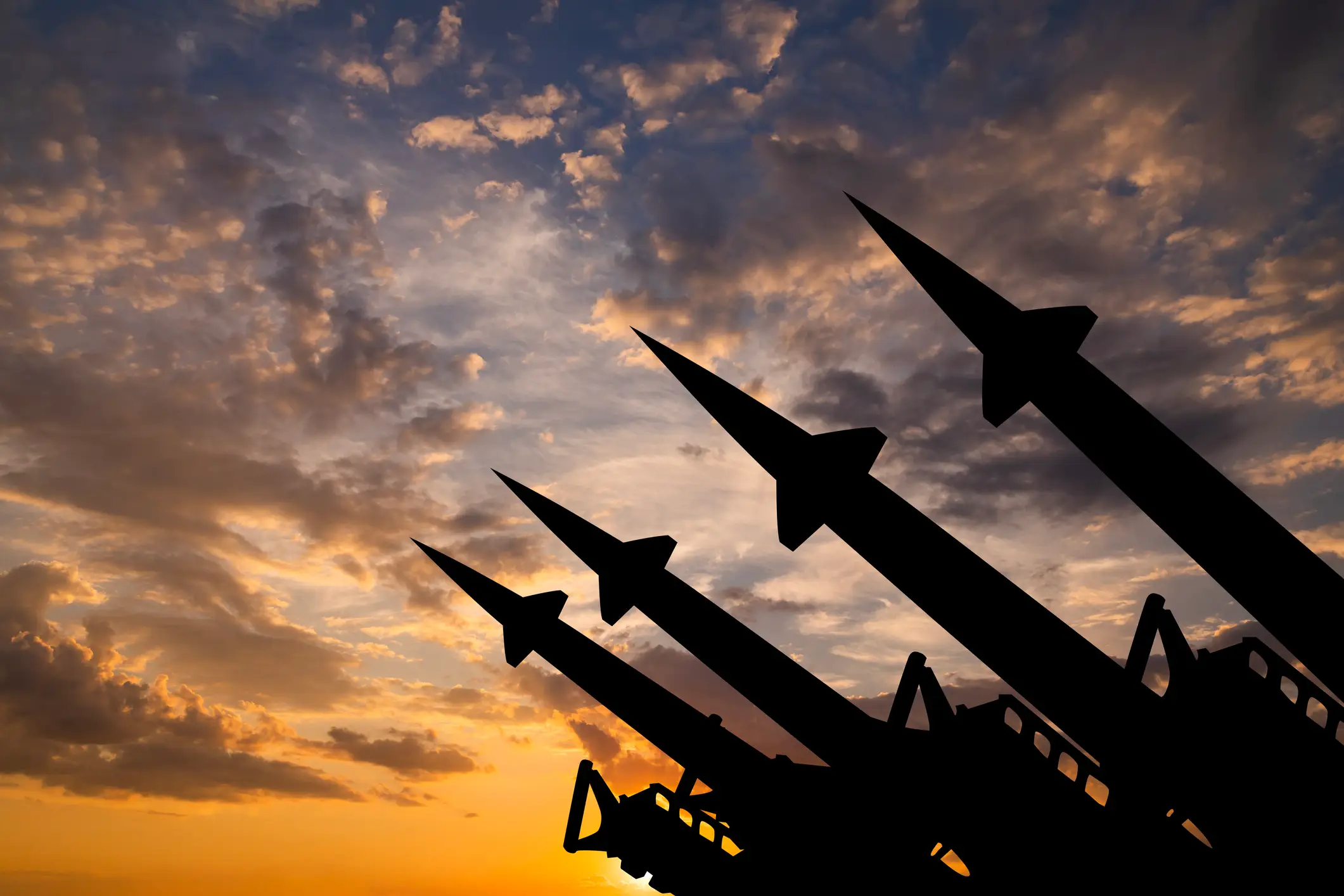
If the New START Treaty expires, there is no longer any legal limit on the amount of warheads either the US or Russia can deploy.
It also stops the obligation of on-site inspections, data exchanges and notifications between countries for the first time in 15 years.
As Chatham House reports, the removal of these requirements increases the risk of a new arms race, 'especially if either side begins uploading additional warheads onto existing missiles or expanding delivery systems'.
"Even if large-scale build-ups do not occur immediately, the absence of limits and transparency will make intentions harder to read and crises harder to manage," the publication adds.
The US and Russia could feel pressured to outbuild each other, with other nuclear powers like China also following suit.
However, Trump and Putin agreeing on a new one-year deal would put an immediate stop to a free-for-all... For now.
Topics: Donald Trump, Joe Biden, China, Russia, World News
 Ellie Kemp