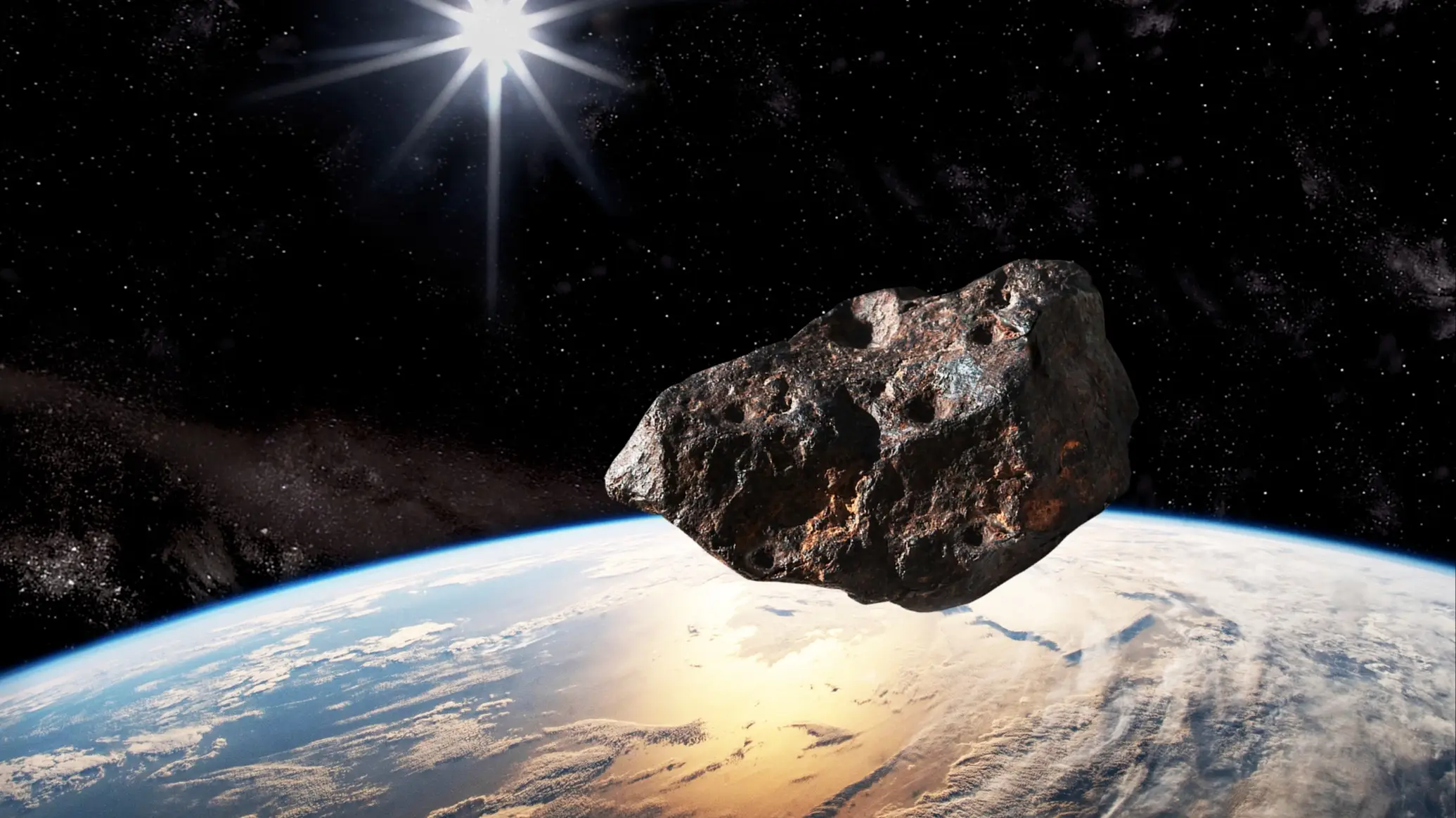
Scientists have discovered 40,000 asteroids near Earth – but this could be just the beginning

Almost 2,000 asteroids currently being tracked by scientists have what's been described as a 'non-zero chance' of slamming into Earth sometime in the next hundred years.
That eyebrow-raising detail comes from the European Space Agency, which this week confirmed that astronomers have now catalogued the 40,000th known near-Earth asteroid, according to BBC Sky at Night Magazine.
The figure marks a major milestone in humanity's efforts to spot space rocks before they spot us, but experts are keen to stress it's not quite as terrifying as it sounds.
Most of the nearly 2,000 flagged objects are small, and the overwhelming majority pose no genuine threat to the planet.
Advert
Still, the scale of what's now being tracked shows just how much the search for these objects has accelerated.
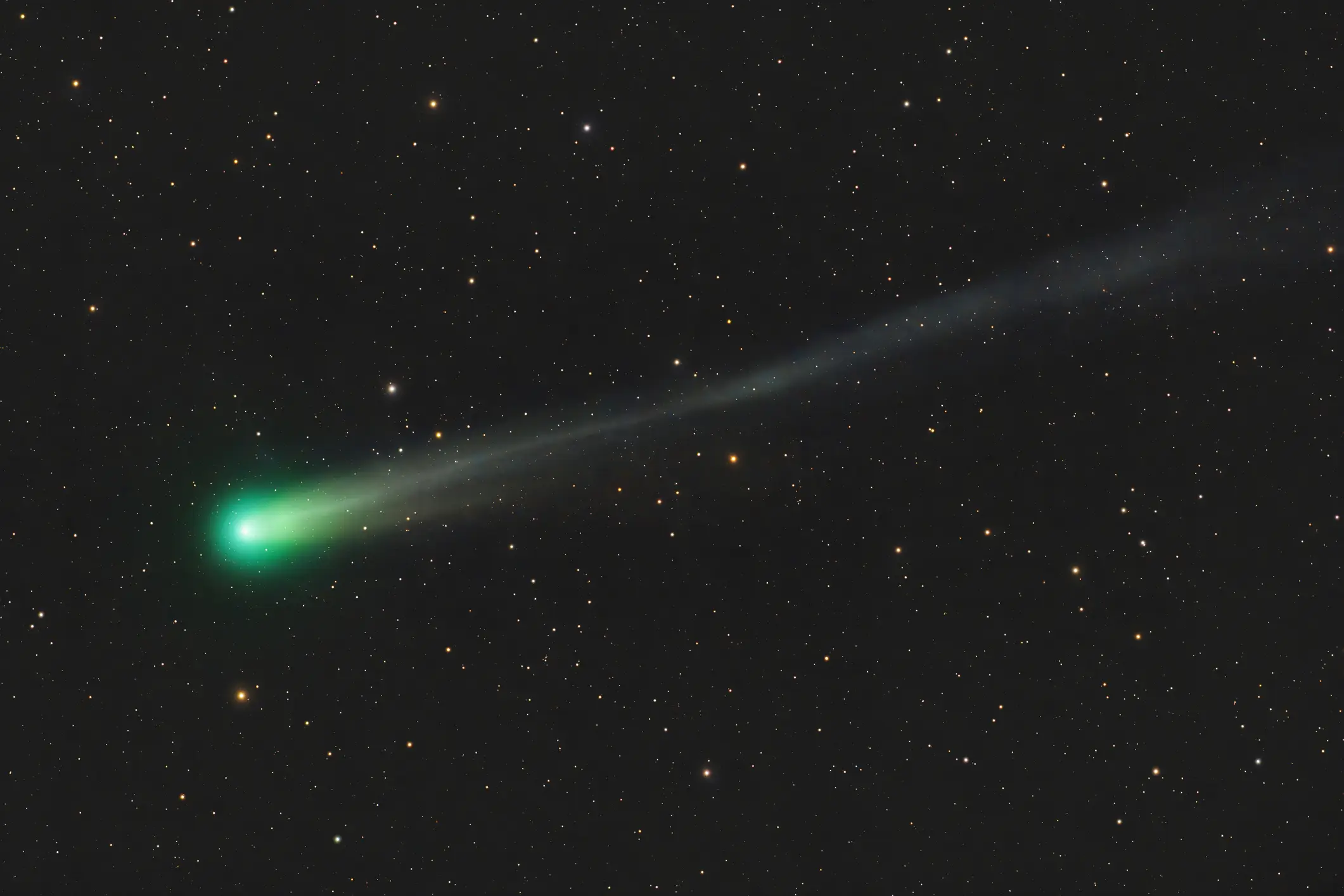
A near-Earth asteroid is defined as a rocky remnant from the Solar System's formation, over four billion years ago, whose orbit brings it within roughly 28 million miles of Earth's own path around the Sun. That might sound like a vast distance, but in cosmic terms it's close enough that planetary defence teams keep a permanent eye on the skies.
How many asteroids are near Earth right now?
The count has exploded in recent decades. The first near-Earth asteroid ever discovered was Eros, spotted back in 1898, but detection rates stayed relatively low for the best part of a century. That changed once dedicated asteroid-survey telescopes came online through the 1990s and 2000s.
Luca Conversi, manager of ESA's Near-Earth Object Coordination Centre, explained just how sharply the numbers have climbed.
"The number of discoveries is rising exponentially, from one thousand at the beginning of the century to 15,000 in 2016 and 30,000 in 2022," he said. Roughly 10,000 of the 40,000 total have been found in just the last three years alone.
Conversi added that the pace isn't expected to slow down anytime soon. 'As the next generation of telescopes enter operation, we expect the number of known NEAs to continue to grow at an even higher pace,' he said.
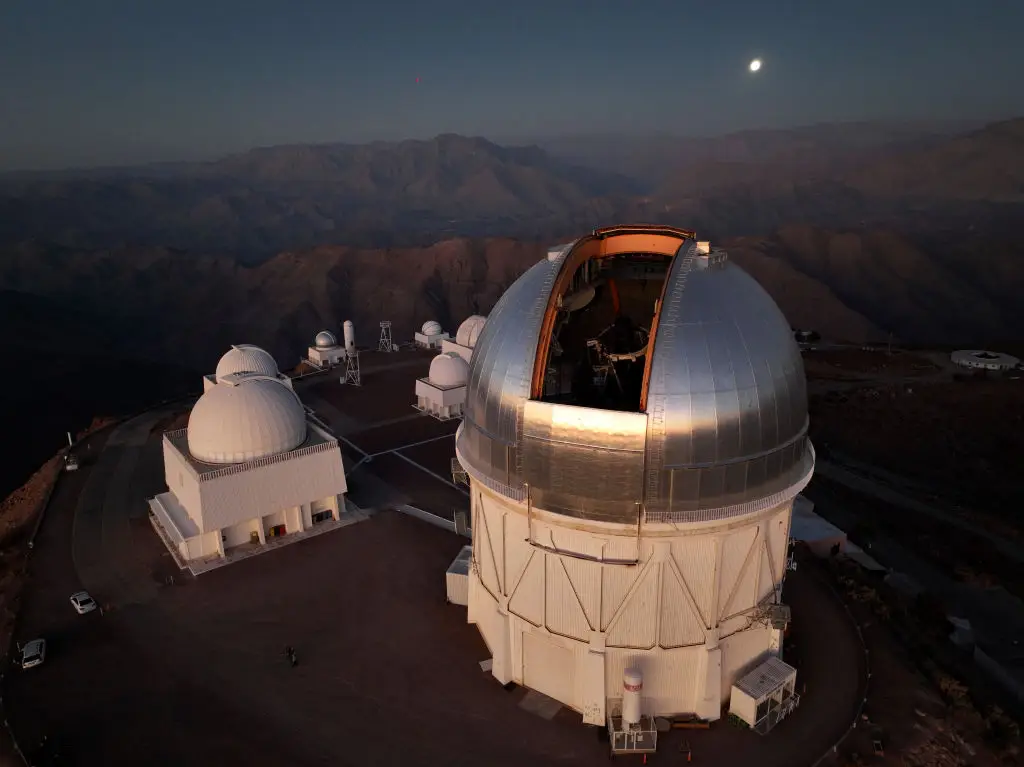
Two observatories are largely responsible for that coming surge. The Vera C. Rubin Observatory in Chile, which became operational in 2025, isn't solely dedicated to asteroid-hunting but is expected to uncover tens of thousands of new near-Earth objects and other small bodies. Alongside it, ESA's Flyeye telescopes have been built with wide, insect-like fields of view specifically designed to catch objects that slip past existing survey systems.
Are we actually prepared for an asteroid impact?
When a new object is discovered, scientists don't just log it and move on. They use every observation gathered on the asteroid to model its trajectory using specialist software, projecting its path years, decades or even centuries into the future to work out whether a collision is ever likely.
More observations generally mean a clearer picture, and that data can push the odds of impact up or down, as happened with asteroid 2024 YR4 earlier this year.
According to ESA, the largest asteroids, those over half a mile across, are the easiest to spot, and scientists believe nearly all of them have already been found.
The bigger concern now lies with the mid-sized population, somewhere between 100 and 300 metres across, which are far harder to detect but could still cause serious regional damage if one struck. Current estimates suggest only around 30 percent of these mid-sized objects have been located so far.
Topics: Space, Earth, World News
 Thomas Bamford