Rhabdomyolysis symptoms explained as 'perfectly healthy' NYC Marathon runner dies of condition near finish line

An otherwise healthy woman died of a rare injury which leads to the muscles breaking down from excessive exercise.
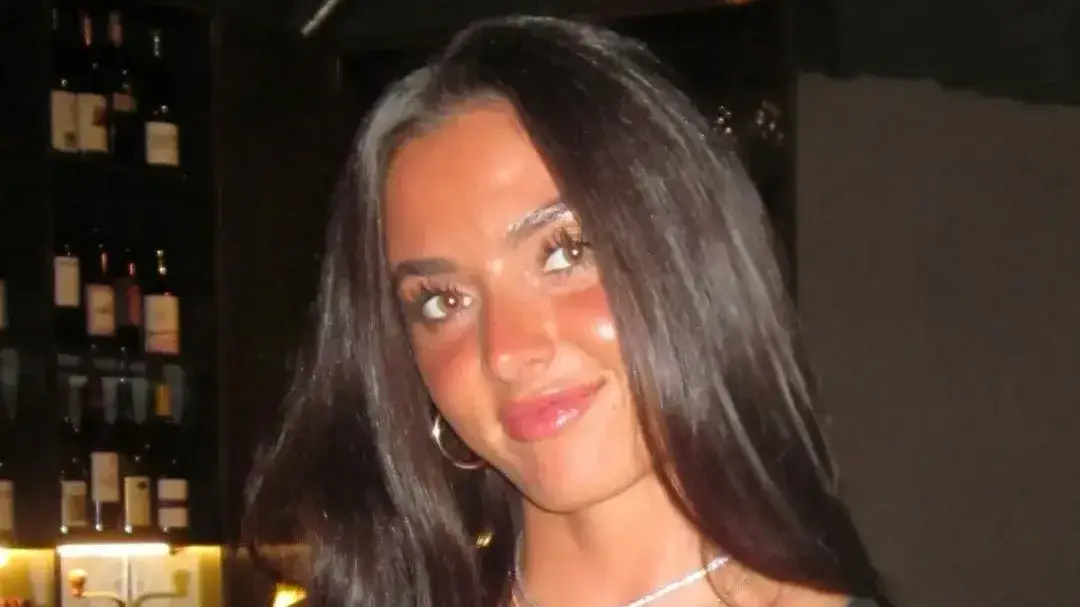
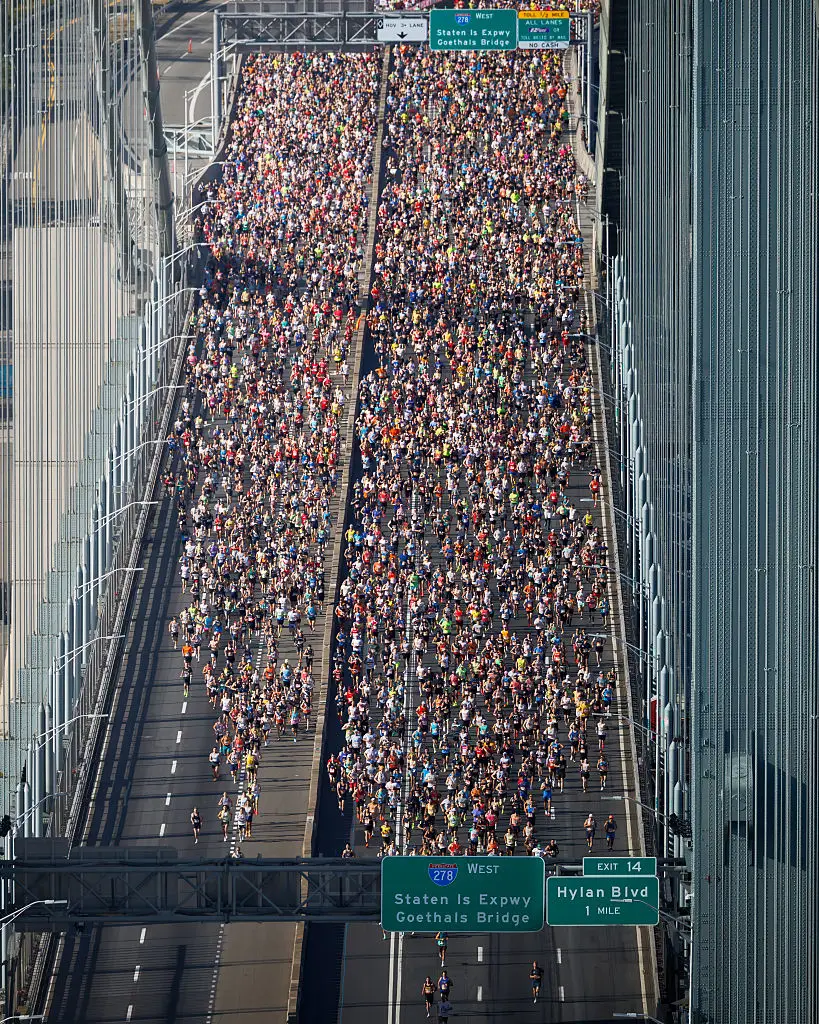
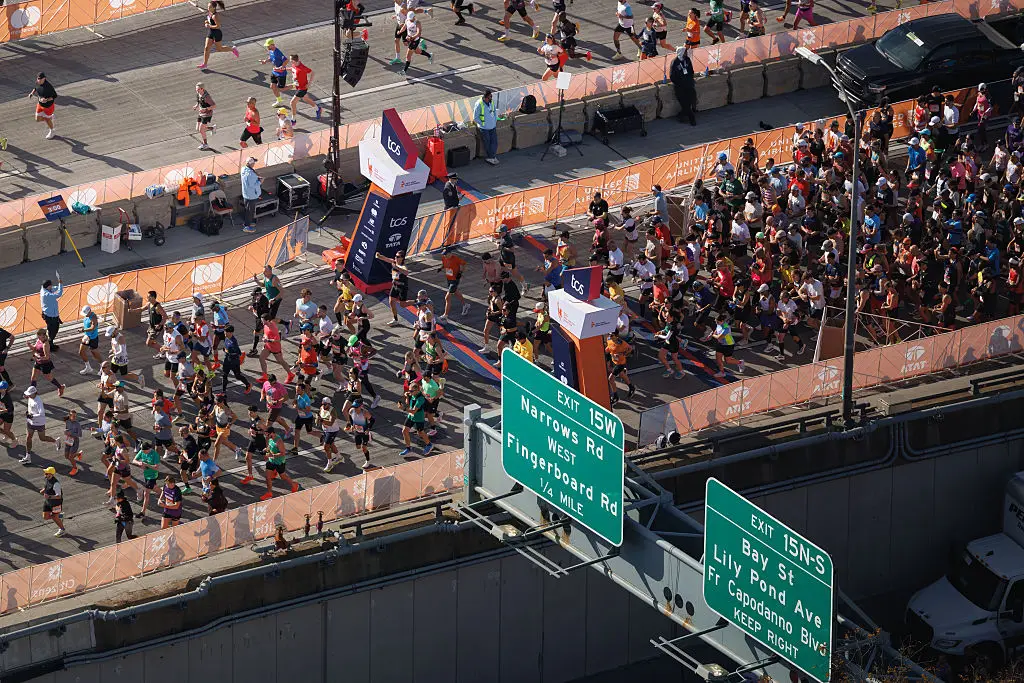
Rachel Apa had been participating in the New York City marathon on November 1 when she collapsed in Central Park while at the marathon's 24th mile.
Tragically, despite the efforts of medics, including a hospital worker watching the marathon who had rushed to administer CPR, Rachel died in hospital at around 9.40 p.m., with her father Steve Apa calling the loss 'unfathomable', and saying that she was in 'perfect health and perfect shape'.
Mr. Apa has since said that his daughter died from a condition called rhabdomyolysis. This is a rare muscular condition where muscles start breaking down, and is life-threatening.
Advert
While rare, the condition can happen following too much exercise without taking proper breaks.
Cleveland Clinic has laid out some of the symptoms of the condition, which include muscle which are swollen, weak, or tender and sore that someone may noticed up to three days after the condition starts.
Of course, it's completely normal to feel sore or tender after exercise and people might reasonably assume that these symptoms are just the result of that rather than a potentially lethal health condition, however one other symptom can help to differentiate it from regular soreness after exercise.
This is noticing that when you urinate your pee is very dark, including being red, brown, or the color of tea.
You may also have dehydration, nausea, losing consciousness, and noticing that you are peeing less than usual.
Your muscles breaking down can result in several chemicals leaking into your body when they would normally be contained within your muscles.
These include potassium, phosphate, myoglobin, creatine kinase, and urate.
Your kidneys remove these substances from your body, but excessive quantities of them can start to put additional stress on your kidneys, as well as leading to the changes in urine.
In severe cases the condition can even lead to kidney failure, which can be fatal.
Cleveland Clinic advises to contact a doctor 'if you notice symptoms like weak and sore muscles and color changes in your pee'.
Rhabdomyolysis is not a hereditary condition, but there are things which can increase someone's risk factor for it.
These include people who are endurance athletes, such marathon runners, spin classes, or other endurance sports.
While practising these sometimes does not cause the condition, if someone pushes themselves too hard without properly resting then this can be a danger.
Other risk factors include physically demanding jobs in a hot environment such as foundries, firefighting, or kitchens as overheating increases the risk of rhabdomyolysis, as well as boot camps, including in the military, as well as being over 65 years old.
Rachel had been running in the New York City marathon to raise money for Parkinson’s Foundation’s Champions team, and had been doing so in her grandfather's memory after he died four years ago.
This was the first time that she had run a marathon, and she was contacting her parents by text message while she was running to check in.
She had messaged her mom Michelle Apa at several points, saying 'Ow.' at mile 14, and 'Ow, Ow.' at mile 19, but when her dad sent her an encouraging text at mile 23 for the 'final stretch', she did not reply.
Rachel was a student at Charleston Southern University, and is the first death from a medical problem at the New York City Marathon since 2024.
 Kit Roberts