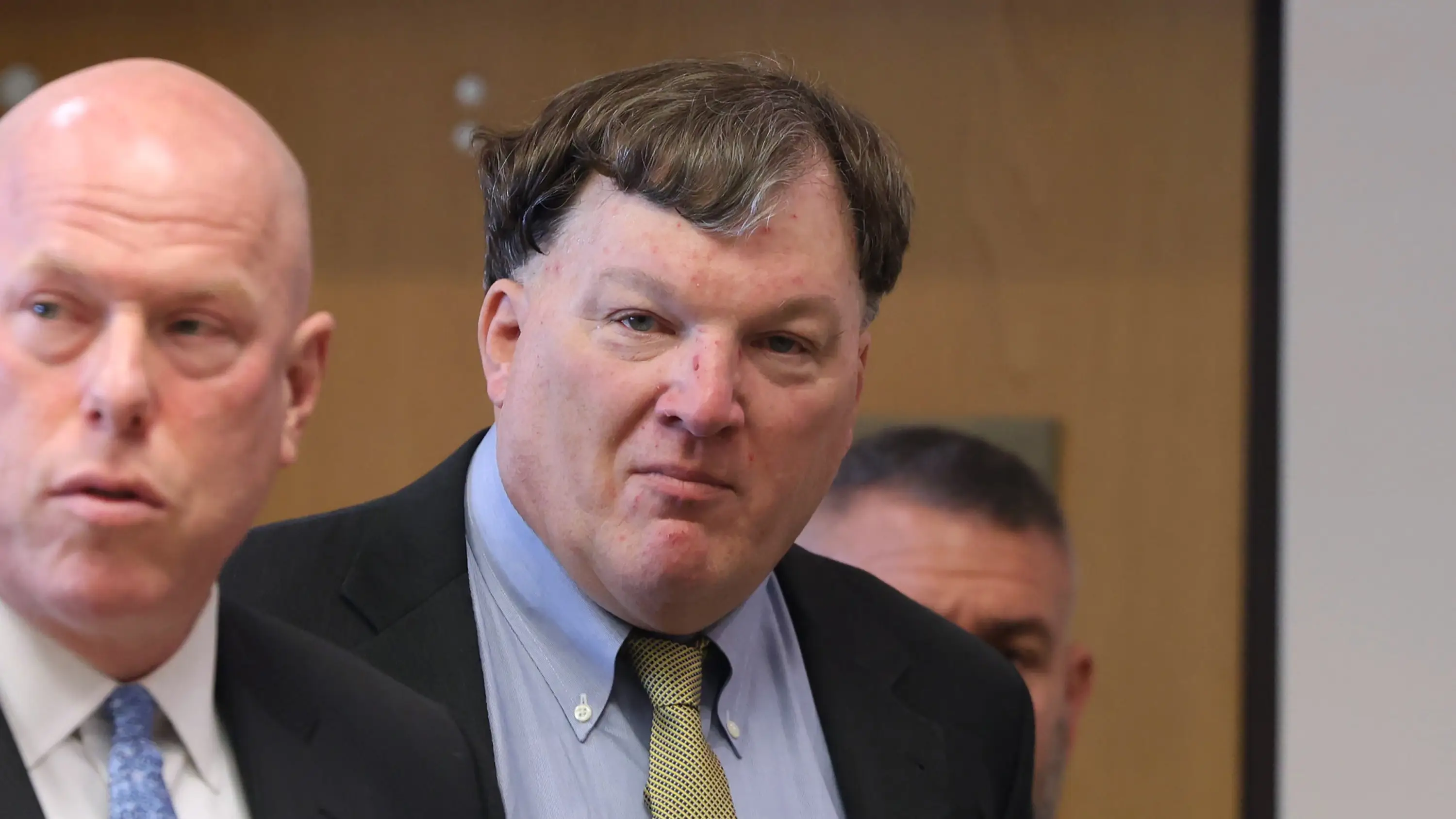
How pizza crust led to the capture of Gilgo Beach serial killer after 30 years at large

A seemingly innocuous piece of evidence help to catch a serial killer who evaded justice for over 30 years.
Rex Heuermann is to be sentenced this week after admitting to a string of murders dating back to 1993, all the way to 2010.
Heuermann, an architect in Manhattan, pleaded guilty to murdering Sandra Costilla, Valerie Mack, Amber Lynn Costello, Maureen Brainard-Barnes, Megan Waterman, Melissa Barthelemy, and Jessica Taylor.
The 63-year-old also admitted the killing of Karen Vergata in 1996.
Advert
All of the women that Heuermann murdered were sex workers, and had made appointments to meet him prior to their deaths.
Heuermann faces a likely sentence of three consecutive life terms for three of the killings, as well as a consecutive sentence of 100 years to life for four of them, meaning he will die in prison.
Detectives were able to build a case against Heuermann from an unlikely source.
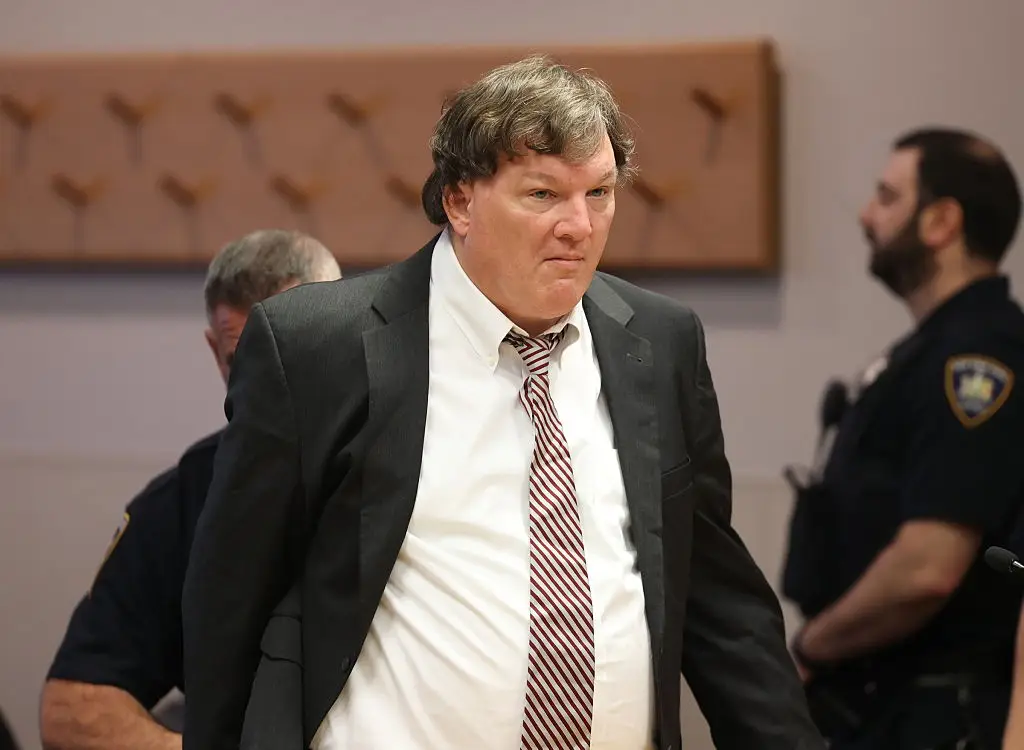
Heuermann was first seen as a suspect by police back in 2022, and a database of vehicle registrations connected him to a pickup truck which had been spotted by a witness in 2010, when one of the victims went missing.
Suffolk County District Attorney Ray Tierney told how investigators had gone to great lengths to ensure that Heuermann did not realize he was a suspect, and take action to destroy evidence or deflect guilt.
“We wanted the one person who mattered, the murderer, to think it’s business as usual,” said Tierney to Newsday.
When police investigated further Heuermann's internet history indicated that he had an interest in the killings.
Crucial evidence came due to Heuermann doing something completely ordinary, but which would provide key evidence connecting him to the killings.
This was him not eating the crust on his pizza.
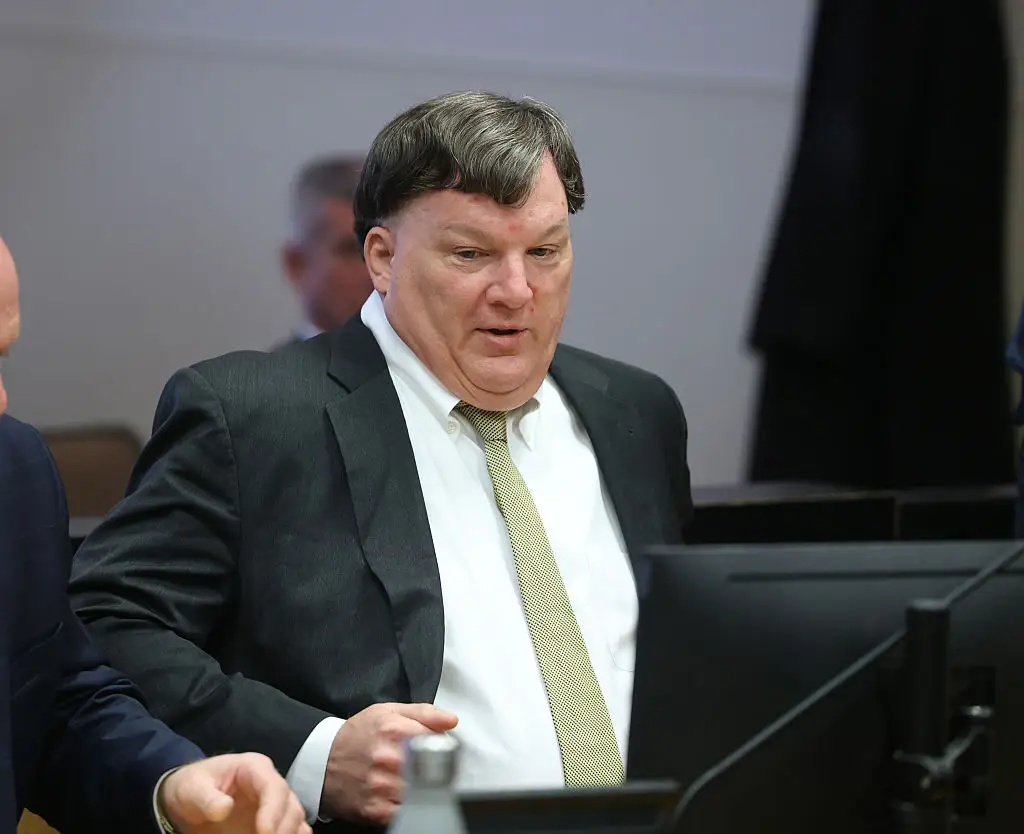
Officers tailing him noticed that he had thrown a box of pizza into a garbage can on the sidewalk.
Acting quickly, they were able to retrieve the box from the garbage, and found that it contained partially eaten crusts from the pizza, containing DNA samples from their suspect.
This was sent to the lab, who matched the DNA from a hair found on a strip of fabric which had been used to restrain one of the victims.
Gloria Allred is an attorney who represents some of the families of the deceased, said ahead of Heuermann's sentencing that the 'public will hear their pain and will hear about who the victims truly were, their importance and the bond they had with their families, which is now irreparably torn'.
 Kit Roberts