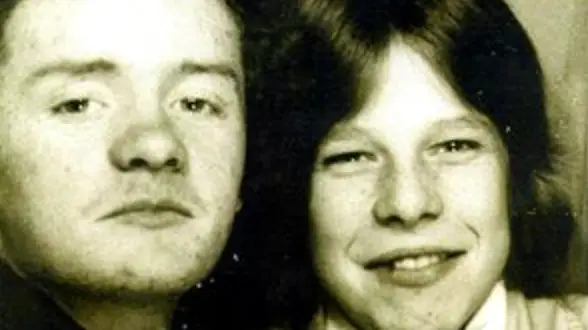
Serial killer admits horrifying actions when he was a child at recess may have led to him murdering three people

Warning: This article contains discussions of rape and murder that some readers may find upsetting
A criminologist who spent years interviewing one of Britain's most notorious serial killers has revealed the chilling moment the so-called 'Railway Killer' admitted that actions which got him expelled from school, and how they may have been the starting point for his campaign of rape and murder.
Dr Graham Hill, a former senior detective and criminologist who founded the UK's first behavioral analysis unit dedicated to sexual crimes against children, recently sat down for LADbible's Minutes With series to talk through what he discovered during multiple prison interviews with John Duffy, one half of the 'Railway Killers' duo.
Together with David Mulcahy, Duffy was responsible for the rape and murder of at least three women in the 1980s.
Advert
Their nickname was given due to their crimes occurring near railway stations in London and the south of England.
John Duffy and David Mulcahy's horrific crimes
Between 1982 and 1986, Duffy and Mulcahy would stalk women near railway stations, drag them to isolated locations and rape them. In total, 18 women were attacked near various train stations before the crimes escalated into murder.
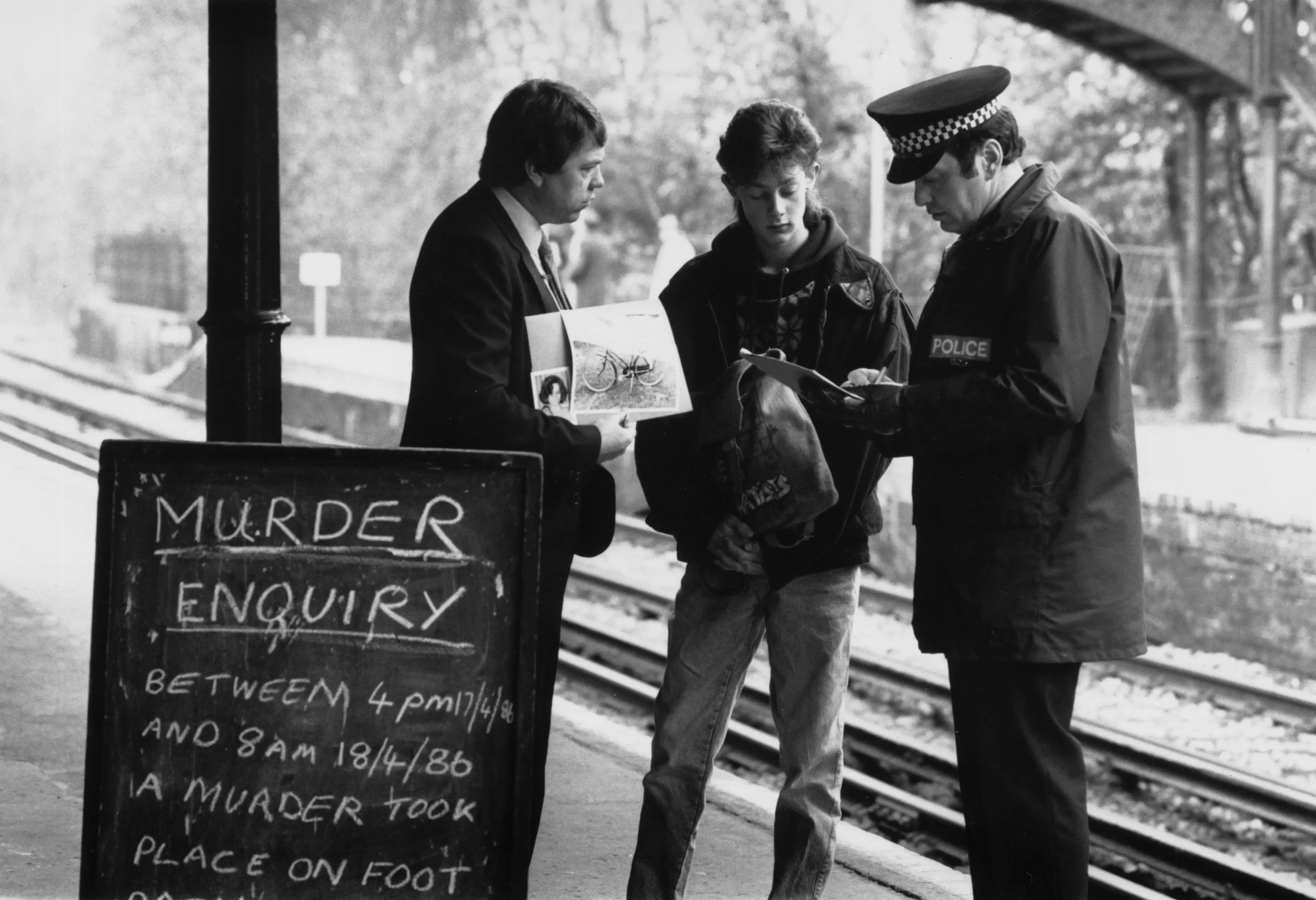
On 29 December 1985, 19-year-old Alison Day was dragged from a train at Hackney station, repeatedly raped, and strangled with a piece of string. It was the first killing, and the Railway Rapist became the Railway Killer overnight.
Less than four months later, 15-year-old Maartje Tambozer was abducted from Horsley station, raped, murdered, and her body set on fire in an attempt to destroy evidence.
Anne Locke, a 29-year-old TV presenter, was abducted and killed on 18 May 1986 as she stepped off a train in Hertfordshire.
Duffy was eventually caught in November 1986, convicted of two murders and four rapes in 1988, and handed a minimum 30-year tariff. It wasn't until 1997 that he finally gave up Mulcahy's name, leading to Mulcahy being handed three life sentences in 2001.
The case was groundbreaking for another reason too; it was the first time psychological offender profiling had ever been used in a British criminal investigation, with Professor David Canter from Surrey University drawing up a list of 17 personality traits for the suspect.
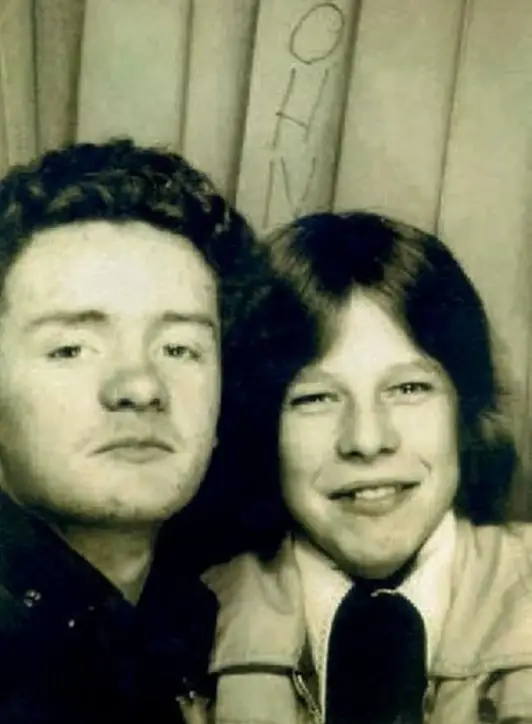
When Duffy was caught, Canter had been correct on at least 12 of them.
John Duffy admitted his school behavior 'might' explain his actions
What Dr Hill found when he sat down with Duffy wasn't what he expected.
He told Minutes With: "The thing about John Duffy that I found when I interviewed him was that he seemed very vulnerable to me. He seemed somebody had committed a crime, which seemed to be completely out of character."
Rather than focusing on the crimes themselves, Dr Hill took a different approach, slowly walking Duffy back through his life, all the way to his school days.
At first, Duffy was breezy about it.

"He said, 'Oh yeah, that was good, good, good'," says Dr Hill. But the more they unpicked it, the more a disturbing pattern took shape.
"It turns out that he was expelled several times for chasing one particular little girl in the playground and sexually assaulting her."
'A connection between his behavior in childhood and his later adult sexual offending'
For Dr Hill, that was a significant moment. The thrill of the chase. The stalking. The hunting. Here it was, right at the beginning.
"To me, there seemed to be the origins of this intrigue about stalking and hunting," he explains.
After school, Duffy had moved on to hunting birds and animals. Then came the women near the railway stations.
"There seemed to be some sort of connection between his behavior in childhood and his later adult sexual offending."
When Dr Hill pointed it out to Duffy directly, the killer's response stopped him in his tracks.
"He said, 'You know, I've never really thought about that, but now you mention it, you might be right'."
It had never occurred to him. And that, Dr Hill says, is exactly what makes this kind of in-depth interviewing so valuable.
'I found the thrill of the chase much more exciting than the actual crime itself'
"If you give people enough time and ask them the right questions, sometimes you can give them something that helps them understand their own behavior."
Duffy had even described his crimes to Dr Hill in terms that made the connection impossible to ignore. When asked about what he did, Duffy told him: "I found the thrill of the chase much more exciting than the actual crime itself."
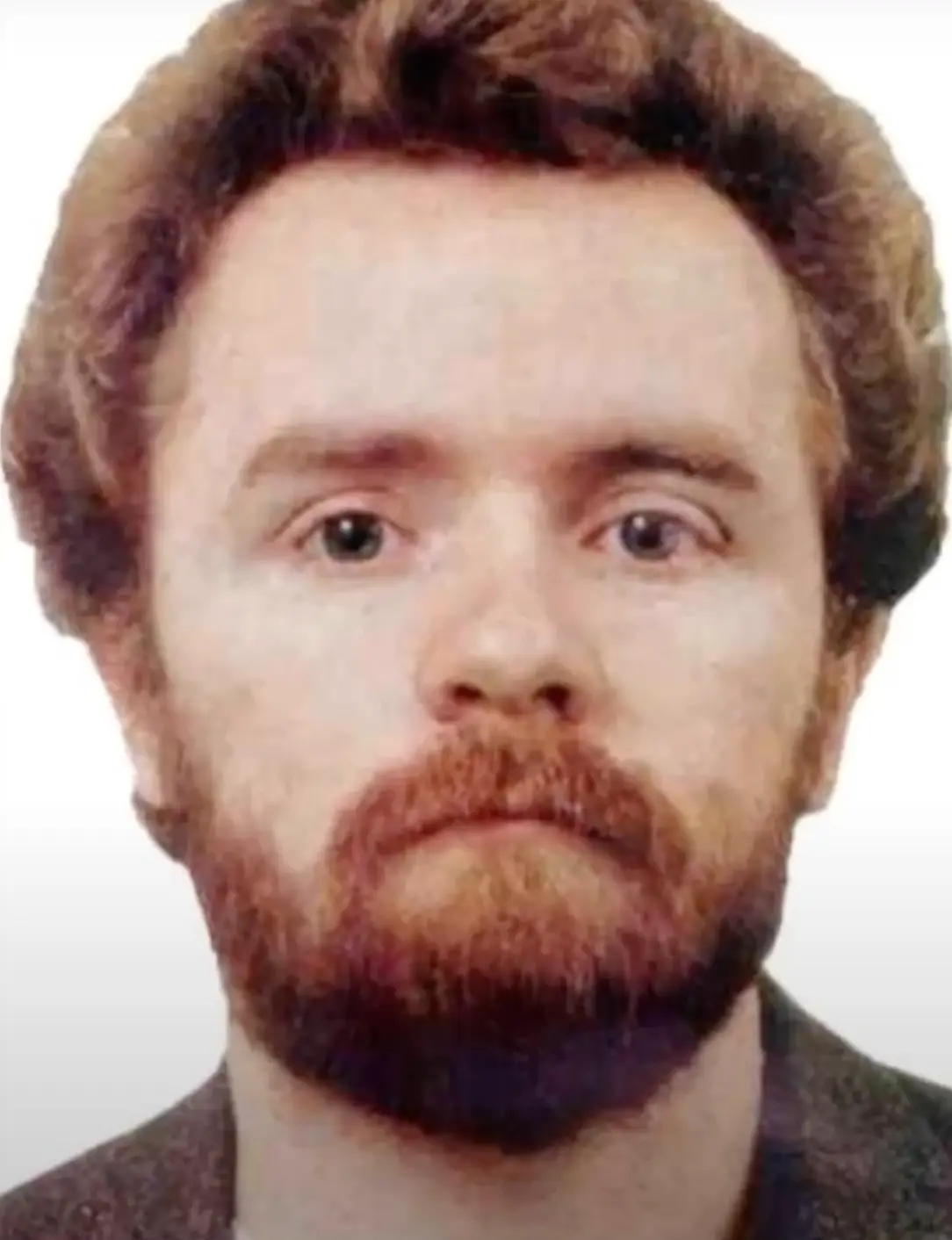
In the courtroom, Duffy would later give evidence against Mulcahy, describing how the pair would go out on what they called 'hunting parties', wearing balaclavas and carrying knives.
"We used to call it hunting," Duffy said. "We did it as a bit of a joke. A bit of a game."
Why understanding killers like Duffy matters - and what it means for the rest of us
Dr Hill is clear that none of this is about excusing what Duffy did. It's about understanding how someone gets from childhood to there.
"The most commonly asked question I'm asked is, 'why would someone do that?'" he says. "And I always have to say the same thing, that is the wrong way of approaching it. What you should be asking is, 'how do they see the world so that they think it's rational and acceptable to behave in that way?'"
It's a distinction that matters enormously, both for investigators and for the public. Because one of the most dangerous myths around offenders like Duffy and Mulcahy is that they are somehow obviously monstrous, that you'd know one if you saw one.
Watch Dr Hill's full Minutes With episode below:
Dr Hill says that's simply not true. Most sex offenders hold down good jobs and are fully integrated into society. They hide in plain sight, and they thrive on secrecy. Mulcahy himself was a married father of four.
The Railway Killers case also permanently changed British criminal investigation. The use of psychological offender profiling, essentially, studying a group of offenders well enough to predict the characteristics of an unknown suspect, had its first major outing during the hunt for Duffy and Mulcahy. It is now a cornerstone of how serious crimes are investigated in this country.
And John Duffy? He remains in prison where he'll spend the rest of his life.
His own admission, sitting across from Dr Hill in a jail cell decades after the crimes, that a little girl he chased around a playground might hold the key to understanding everything he became, is perhaps the most unsettling part of all.
Topics: Crime, Features, True crime
 Thomas Bamford