Zohran Mamdani praised for pushing to end 168-year-old 'tradition' in NYC that's 'long overdue'

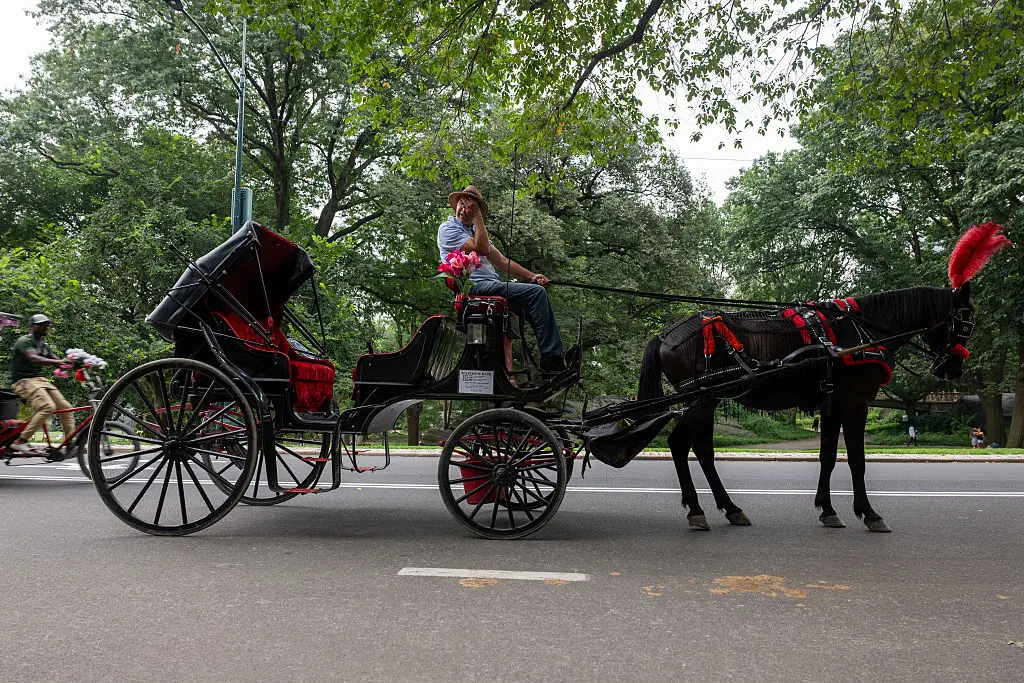
An 18-year-old tourist's death in Central Park in June has set in motion the end of horse-drawn carriages in New York City.
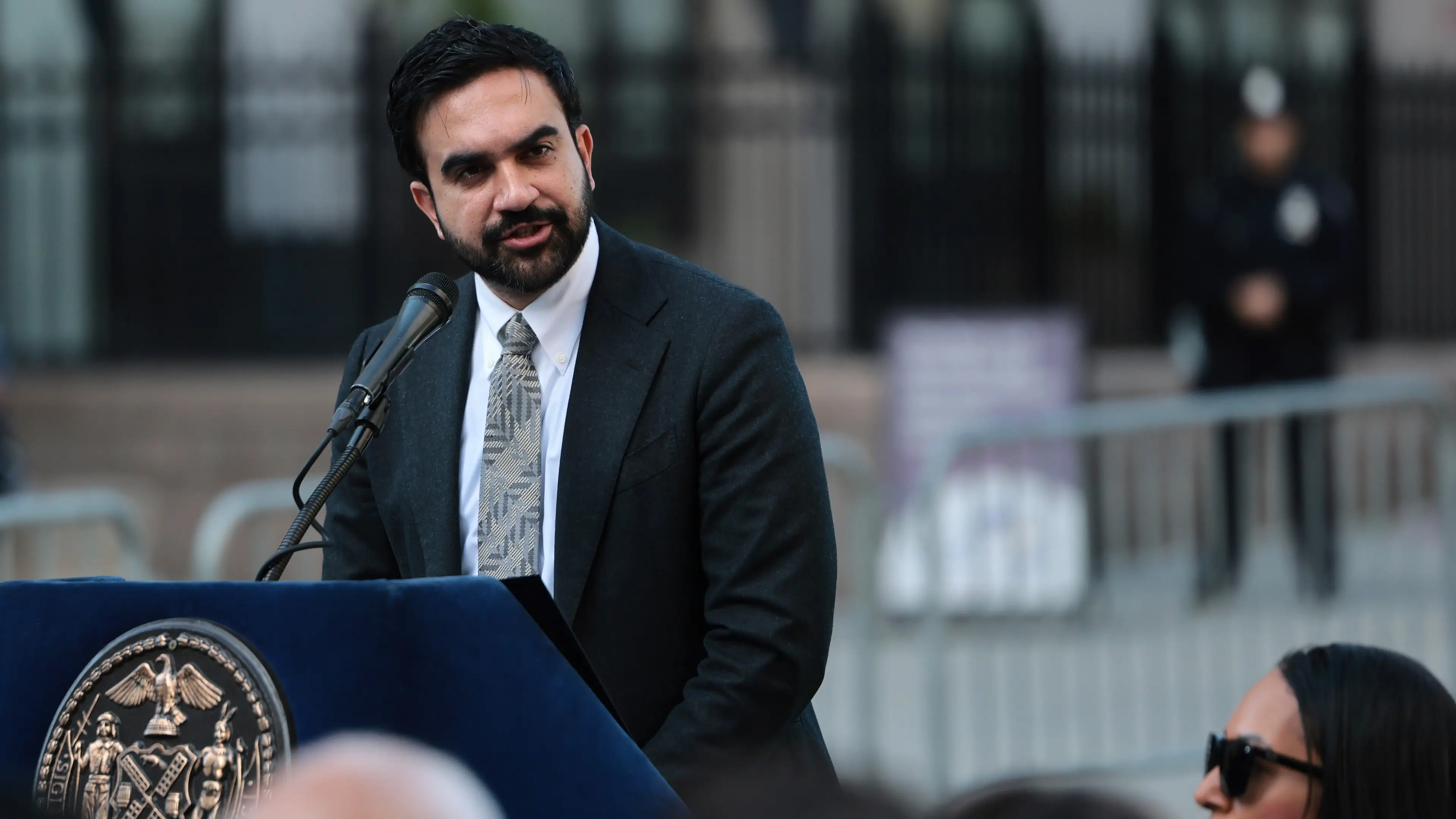
Mayor Zohran Mamdani and City Council Speaker Julie Menin have struck a deal to make the carriages illegal to operate in the five boroughs starting in June 2028, officials said Tuesday.
The mayor tweeted: "The horse carriage industry is coming to an end in New York City.
"Our administration will make sure workers and owners are protected and the horses are safe."
Advert
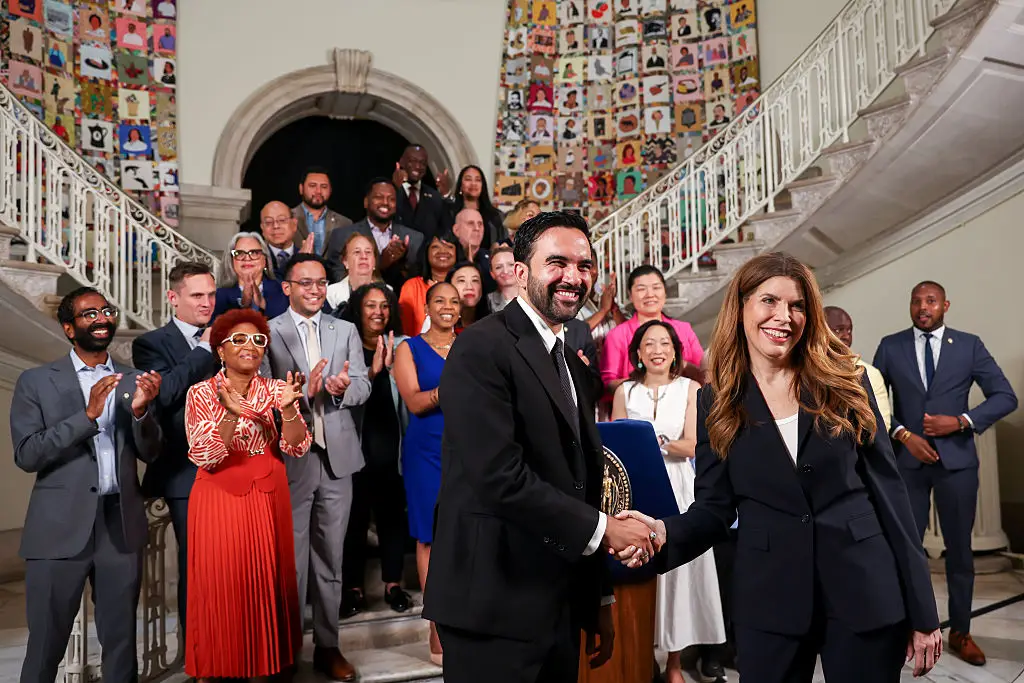
The City Council is set to vote on the legislation on Oct. 22, and the BBC reports that a spokesperson for the speaker said it has the support of a council majority.
The bill is called Romanch's law, after Romanch Mahajan, who was visiting from India when the horse pulling his carriage bolted, causing the 18-year-old to fall and die.
Why are horse-drawn carriages being banned in Central Park?
It is not the first time officials have tried to end the practice.
Former New York City Mayor Bill de Blasio announced soon after his inauguration in 2014 that he wanted to ban the carriages in Central Park, citing poor treatment of the horses, and proposed replacing them with a fleet of vintage electric cars. He ultimately brought in new rules restricting where carriages can pick up tourists.
Menin has backed the bill since the teenager's death. "The tragic and preventable death of 18-year-old Romanch Mahajan made clear that the status quo is no longer acceptable," she said in a statement to the New York Post.
She added: "Horse-drawn carriages have long been part of New York City's history, but in an increasingly busy Central Park, this tradition has become a growing public safety liability."
Romanch's father, Deepak, later told the City Council he could not ‘properly describe to you the real, true fear inside that carriage’.
The Central Park Conservancy, the nonprofit that manages the park, said last year that it supported a ban.
"We do not take this position lightly," the conservancy's president wrote in a letter, adding that record visitation had made banning the carriages ‘a matter of public health and safety for park visitors’.
What happens to carriage drivers if the ban passes?
Some workers' groups have pushed back against the legislation.
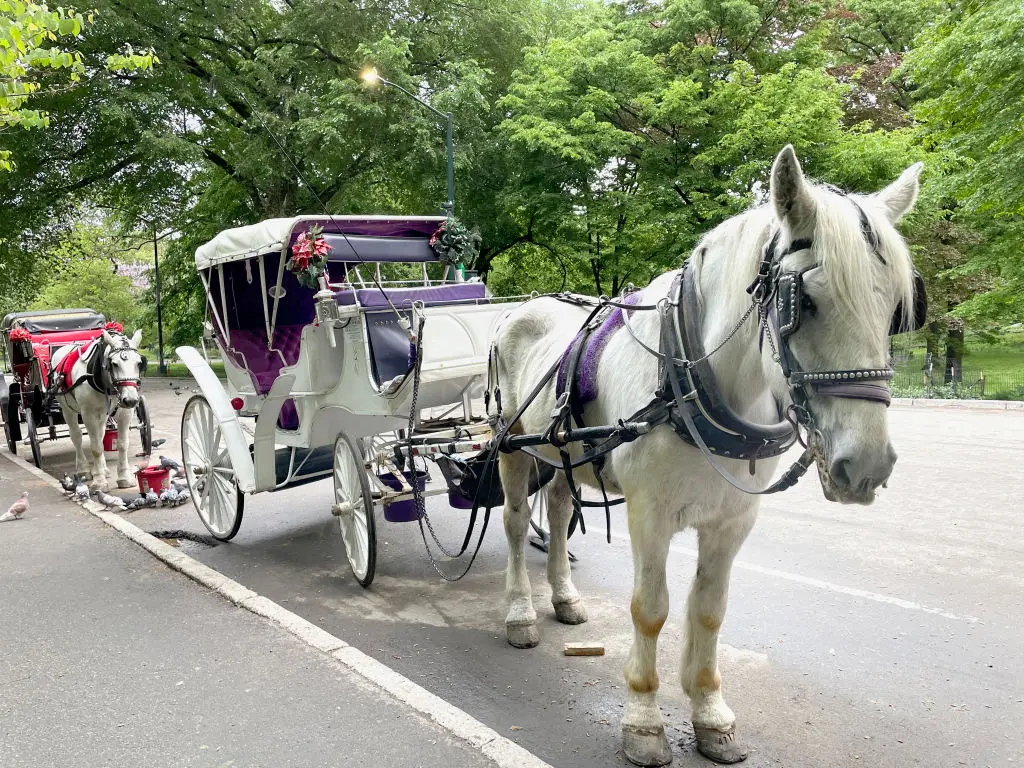
The Transport Workers Union, which says it represents 300 horse-carriage drivers and owners, argues the horses are treated well and the industry employs hundreds of people.
The latest version of the bill includes an ‘industry transition framework’, with potential job placement, training, career counseling and financial compensation for those involved in the business.
Menin said the legislation will require the Mamdani administration to develop a plan to connect the city's roughly 200 laid-off carriage drivers with ‘new economic opportunities’.
Mamdani spokesperson Sneha Choudhary said: "We have been working closely with the City Council, union partners, carriage drivers, animal welfare advocates, and community leaders to deliver a just transition that protects workers while ending horse-drawn carriages in Central Park once and for all."
The bill does not allow the horses to be sold for slaughter.
Topics: New York, Animals, Animal Cruelty, US News
 Thomas Bamford