Hospice nurse reveals warning sign on skin that appears just days before death

A sudden mark on the lower back, sometimes shaped like a butterfly, can signal that someone is only days away from death according to hospice nurse Julie McFadden.
Julie, who has worked as a hospice nurse for 16 years, shared the warning on her YouTube channel, Hospice Nurse Julie, where she discusses end-of-life matters. She said she was reluctant to bring it up because she did not want to cause panic, but ultimately felt it was worth knowing about.
The change is known as a Kennedy ulcer, and Julie called it a huge indicator that the person is at death's door.
It often shows up on the sacrum, the area around the tailbone.
Advert
She begins her video by saying: “There is one thing that can be on someone’s skin that could really be a sign that your loved one is days away from death.”
What causes a Kennedy ulcer?
It can often be mistaken for a regular pressure ulcer or wound, but Julie said the key difference is how quickly it appears. Other ulcer's develop over time and do not necessarily point to death.
Julie explained: "The Kennedy ulcer is very specific because it's not there, then boom, it's there, and then boom, they die. That's how quick the Kennedy ulcer thing is."
She described it as a terminal stress response and a final warning'. It occurs when blood flow is redirected to vital organs, leaving the skin short of oxygen, which can lead to rapid tissue breakdown.
Julie said it is often seen in ICU and hospice patients in their final days, and indicates that circulation to nonvital areas is failing.
Julie was clear that she does not want people to assume a loved one is nearing death just because they have a wound.
What does a Kennedy ulcer look like?
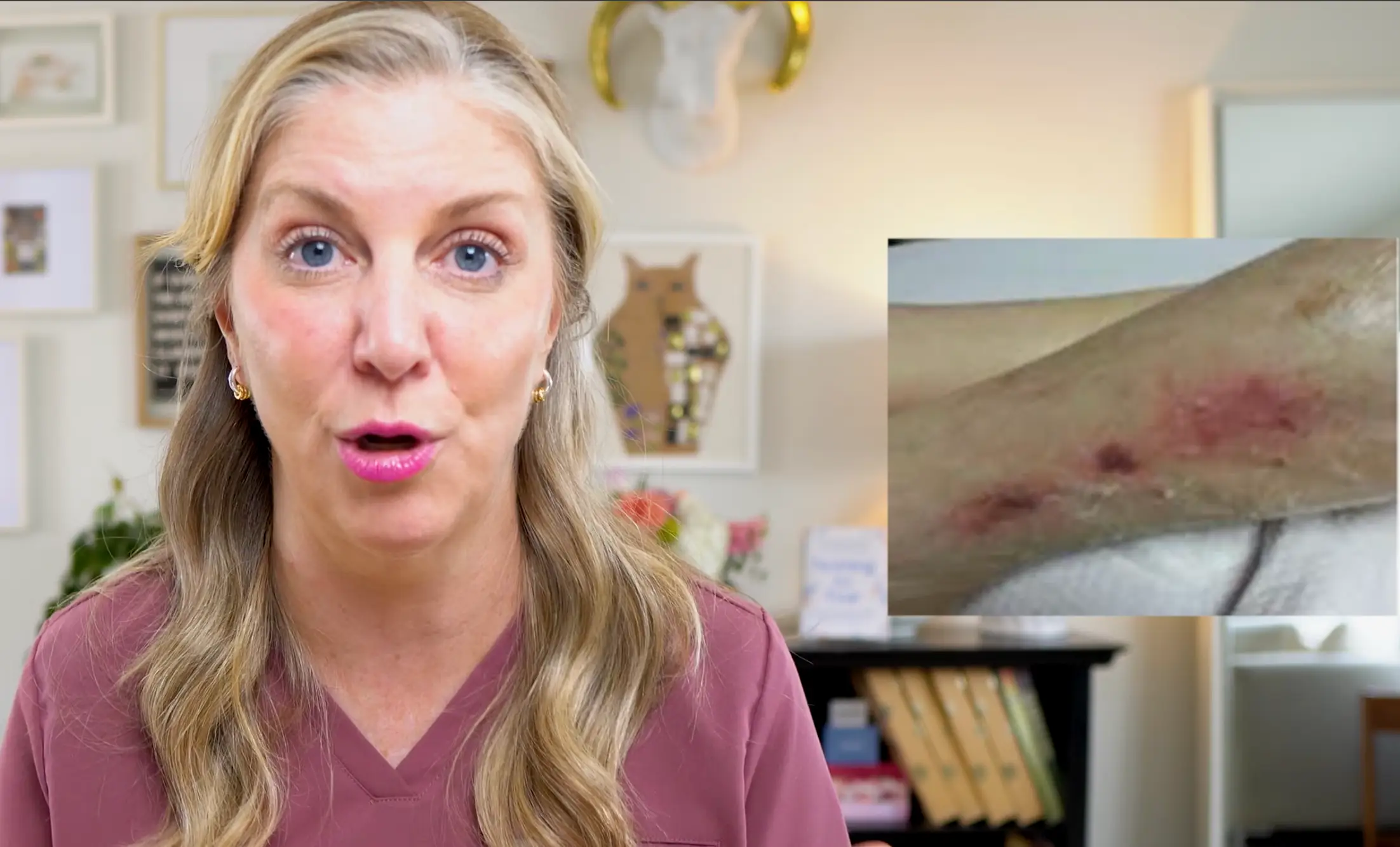
She said the lesions may be small, round or purple, and can be painful and can occasionally bleed a little too.
They often apepar on the lower back, just above the buttocks, and are sometimes butterfly shaped.
Julie said: They develop rapidly unlike chronic ulcers. And they may be accompanied by other end-of-life things like unconsciousness, not eating and drinking, changes in breathing, cool extremities.
"So the person could also start looking like they’re going to be actively dying soon.”
On treatment, Julie said the first priority is pain management, which usually involves low doses of morphine. She added that it is important to clean the skin carefully and keep it as dry as possible, because it will be easily torn once a Kennedy ulcer appears.
She also stressed that the ulcer is not a sign of neglect, an accusation she said is often directed at hospice staff, and is simply because the body is dying.
Julie said knowing the signs can help people prepare. “I don’t want it to be an alarm bell and make everyone panic,” she said, adding: “It doesn’t mean your loved one can’t have a peaceful death.”
Topics: TikTok, Social Media, Health, Science
 Thomas Bamford