
Woman, 41, has arms and legs amputated after routine checkup takes terrifying turn

A woman who went for what should have been a routine check-up has had both her arms and legs amputated after her health took a concerning turn.
Leslie Caoili, 41, went to the doctors for a routine heart checkup in May when they discovered she had a life-threatening Type A aortic dissection. This is when there is a tear in the main artery coming from the heart.
Leslie, from San Diego, required immediate surgery involving cardiopulmonary bypass and extensive reconstruction of her aorta to keep her alive.
Her family thought the extensive, life-saving surgery would be the end of their concerns. However, she lost blood flow to her hands and feet in the weeks after the procedure.
Advert
“We didn’t really know how her body was gonna respond to the initial surgery, but she ended up losing blood flow to her hands and her feet, and by the end of the first month there, her hands and her feet were blackened and shriveled,” her husband Lee said to ABC News.
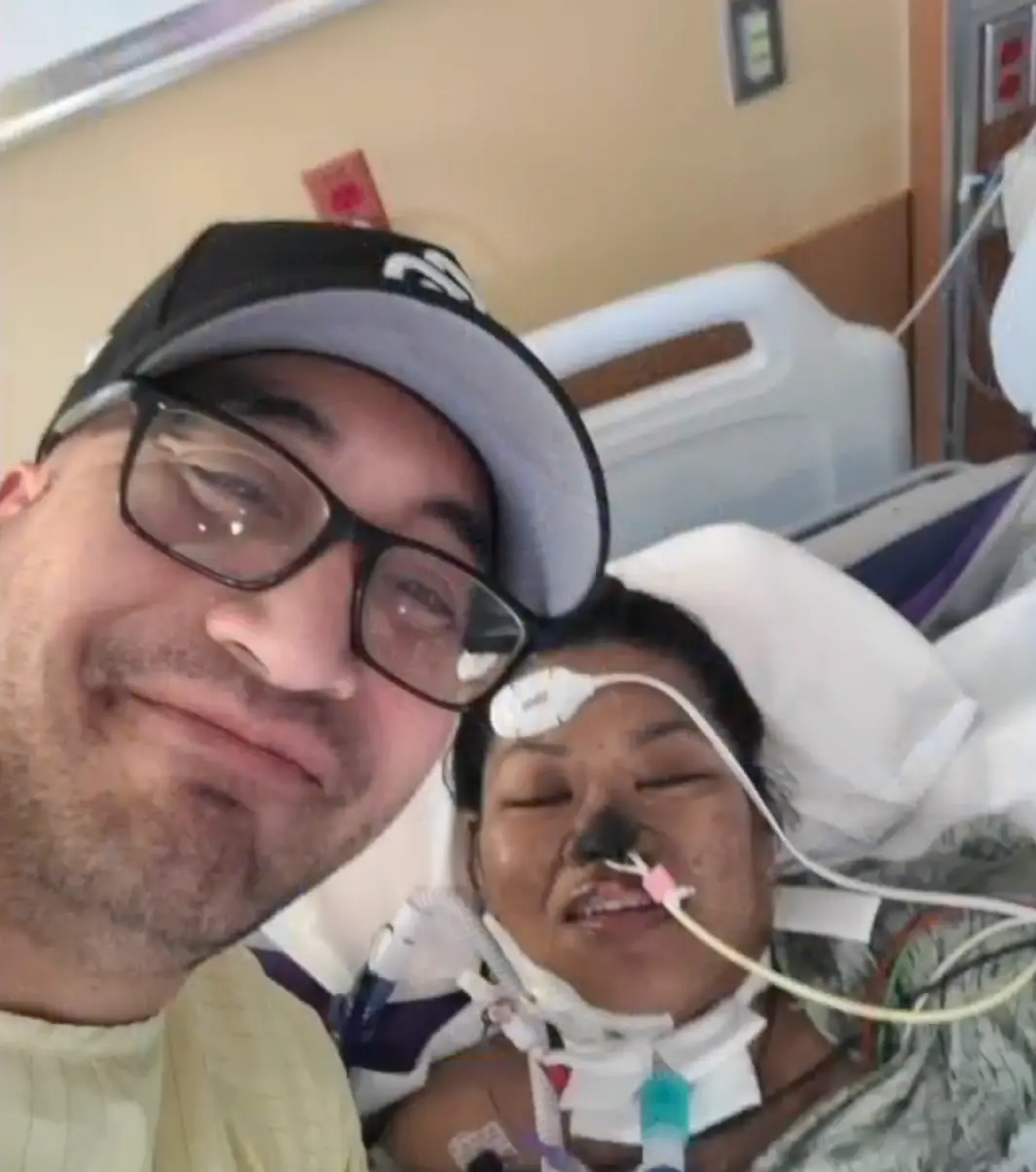
The difficult decision to amputate all of Leslie's limbs
There was no improvement for her blood circulation and doctors made the decision to amputate her hands at the mid-forearm, as well as both of her legs.
"Most people who suffer an aortic dissection usually happens pretty quickly, and they don't survive," Lee said.
"So the surgery was necessary in order to save her life. She probably had maybe hours left to live, and we wouldn't even, we didn't even know it."
Leslie, a mother of two daughters, had previously competed across San Diego as a strength athlete.
However, Caoili’s house will now need to be adjusted to meet her new needs.
'She just wants to come home to her family and her kids'
To ensure the home is accessible, her husband is asking skilled volunteers, including electricians, HVAC technicians, floor installers, roofers and decorators to help transform the home.
"She just wants to come home to her family and her kids and her dog and me and wants to get back to living life as normal as we can make it for her," Lee told ABC.
A GoFundMe has been established to help raise funds for the home’s overhaul.
“She just wants to come home to her family and her kids and her dog and me and wants to get back to living life as normal as we can make it for her,” Lee explained.
The donations will also help the family cover medical and recovery-related costs and long-term rehabilitation and care needs.
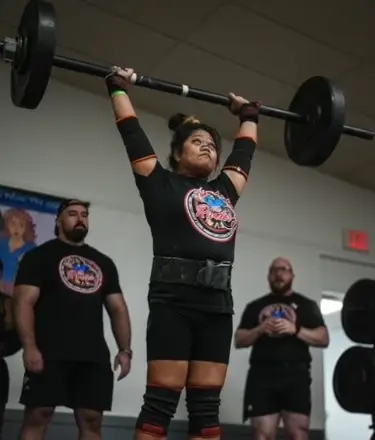
'Watching someone you love fight this hard is something no family can ever truly prepare for'
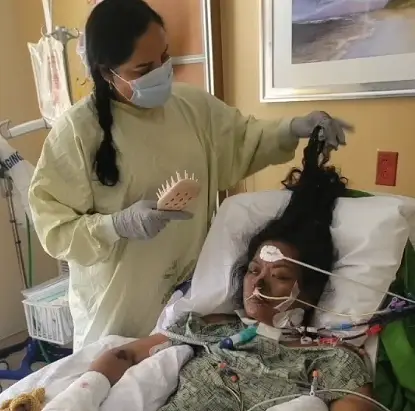
In the description for the fundraiser the family explain Leslie's health: “What was supposed to be a life-saving surgery has turned into the hardest battle of her life.
“She has also suffered severe circulation complications affecting her hands and feet due to the immense strain her body has endured.
“Watching someone you love fight this hard is something no family can ever truly prepare for.
“Leslie is more than a patient in a hospital bed. She is a loving wife, devoted mother, daughter, sister, and friend who has touched so many people with her kindness, strength, and love.
"She has always been the person others could depend on, and now we are asking for help on her behalf during the most difficult time our family has ever faced.”
Symptoms and causes of aortic dissection
The Mayo Clinic explains how an aortic dissection isn't very common at all, and it usually happens in men in their 60s and 70s.
Caused by a weakened area in the aorta's wall, aortic dissections are divided into two groups, depending on which part of the aorta is affected:
Type A: This more common and dangerous type involves a tear in the part of the aorta where it exits the heart. The tear also can happen in the upper aorta, called the ascending aorta. The tear may spread into the stomach area.
Type B: This type involves a tear only in the lower aorta, called the descending aorta. It also may spread into the stomach area.
Typical symptoms include:
- Sudden severe chest or upper back pain that spreads to the neck or back. The pain may feel like something is tearing or ripping.
- Sudden severe stomach pain.
- Loss of consciousness.
- Shortness of breath.
- Symptoms like those of a stroke, including sudden vision problems, trouble speaking, and weakness or loss of movement on one side of the body.
- Leg pain and trouble walking.
Call 911 or your local emergency number if you have:
- Severe chest or stomach pain.
- Sudden shortness of breath.
- Symptoms of stroke, such as sudden trouble seeing, speaking or moving.
 Greg Harris