The bizarre history of Groundhog Day as Punxsutawney Phil makes prediction for 2026

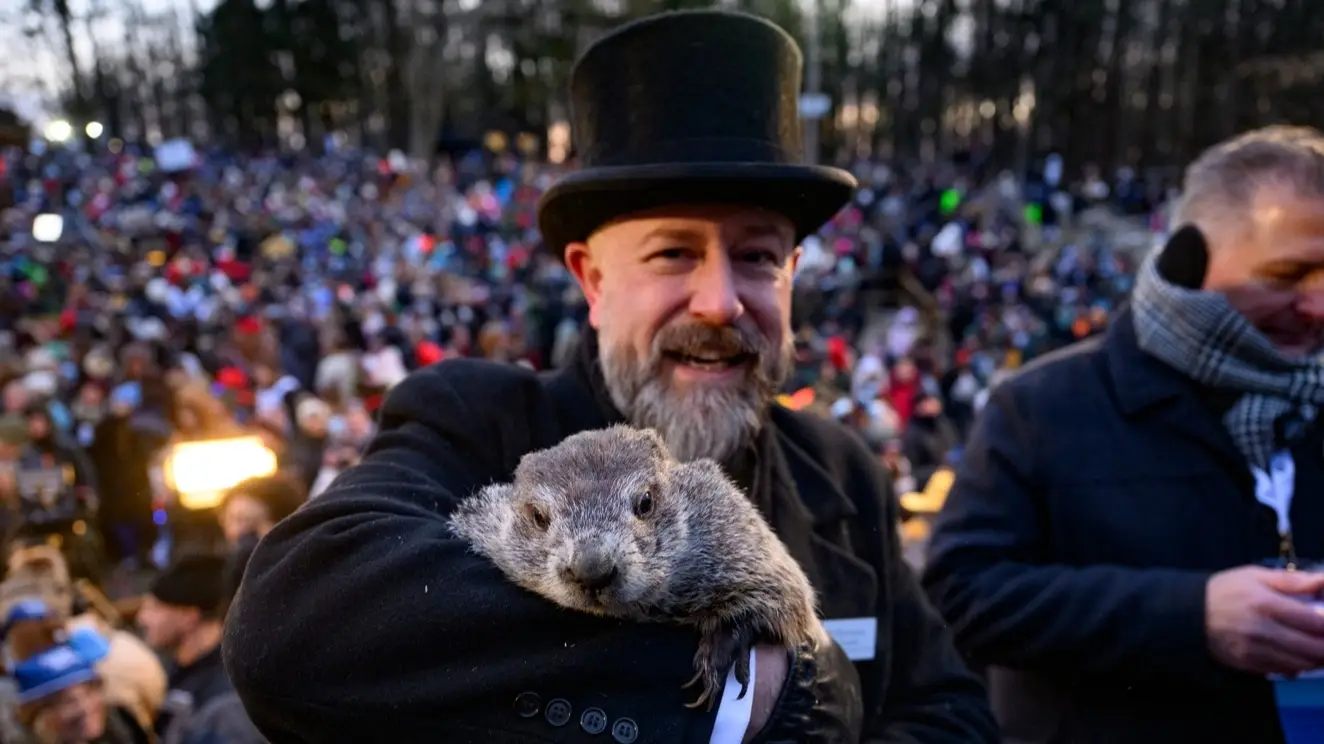
Every February, thousands of people gather in the freezing cold of rural Pennsylvania to watch a top-hat-wearing group of men consult a groundhog about the weather.
On paper, it sounds a bit unhinged. In reality, it’s Groundhog Day: a tradition that somehow survived centuries of superstition, migration, religion, and sheer human stubbornness.
While it’s now best known for crowds, cameras and memes, the origins of Groundhog Day are far stranger than most people realise.
Long before Punxsutawney Phil became an international celebrity, the date was tied to Candlemas, a Christian holiday observed on February 2. Back then, people believed the weather on that day could predict how long winter would last, summed up neatly in an old English folk rhyme:
Advert
If Candlemas be fair and bright,
Come, Winter, have another flight;
If Candlemas brings clouds and rain,
Go Winter, and come not again.
There were no animals involved at first. That came later, when the tradition travelled to Germany, and a hedgehog was drafted in as the furry forecaster. If it saw its shadow, winter wasn’t done yet. When German settlers brought the idea to the US, hedgehogs were in short supply, so they went with the next best thing: a groundhog.
Punxsutawney, Pennsylvania officially entered the equation in the late 1800s, with the first recorded Groundhog Day mention appearing in a local newspaper in 1886. A year later, crowds began gathering at Gobbler’s Knob, and a legend was born. Over time, the event became less about genuine weather prediction and more about embracing the absurdity of it all.
Now, in 2026, the tradition continues.
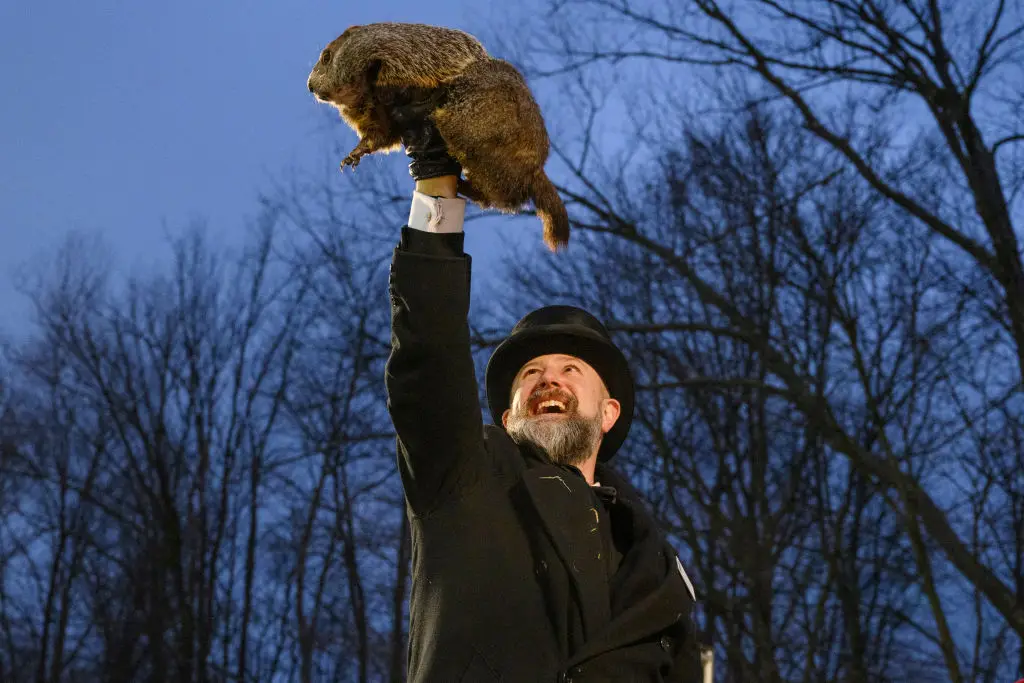
At around the halfway point between the winter solstice and the spring equinox, Punxsutawney Phil emerged from his burrow once again. According to tradition, if he sees his shadow, it signals six more weeks of winter. If he doesn’t, an early spring is supposedly on the way.
This year, Phil did what he does most often. Fox 5 has confirmed he saw his shadow, meaning six more weeks of winter are ahead: a result that will surprise absolutely no one who’s ever been outside in early February.
Despite its questionable accuracy, Groundhog Day has spread far beyond rural Pennsylvania. Variations now pop up across the US and Canada, including tongue-in-cheek alternatives like Washington DC’s Potomac Phil.
Topics: Pennsylvania , US News
 Ben Williams