
Doctor reveals three serious health conditions you might inherit from your parents

A doctor has shared three conditions which you can inherit from your parents.
When it comes to health conditions, there are any number of terrifying things out there which might afflict us.
Health conditions can have a lot of different causes, whether it's related to lifestyle, or just plain bad luck.
But a big factor in what health conditions any one of us might be vulnerable to developing is our genetics.
Advert
So if your parents or you grandparents had a particular health condition then you are more likely to get it than someone whose family didn't have it.
Of course that doesn't mean the second person is guaranteed to not get it, or that you're guaranteed to if your parents did, but it does mean you're more at risk.
Lets take a look at three conditions which are impacted by your genetics, according to Dr Clair Grainger with Superdrug Online Doctor.
Diabetes

There are two types of diabetes, one of which is related to lifestyle and genetics, while another is caused by an autoimmune disorder.
Dr Grainger said: “Type 2 diabetes is one of the most common conditions with a hereditary component.
While lifestyle factors such as diet, weight and physical activity play a significant role, genetics can increase susceptibility."
Dr Grainger added: “That doesn’t mean it’s inevitable, but it does mean you should be proactive about regular health checks, maintaining a healthy weight and monitoring symptoms such as increased thirst, fatigue or frequent urination.”
Asthma
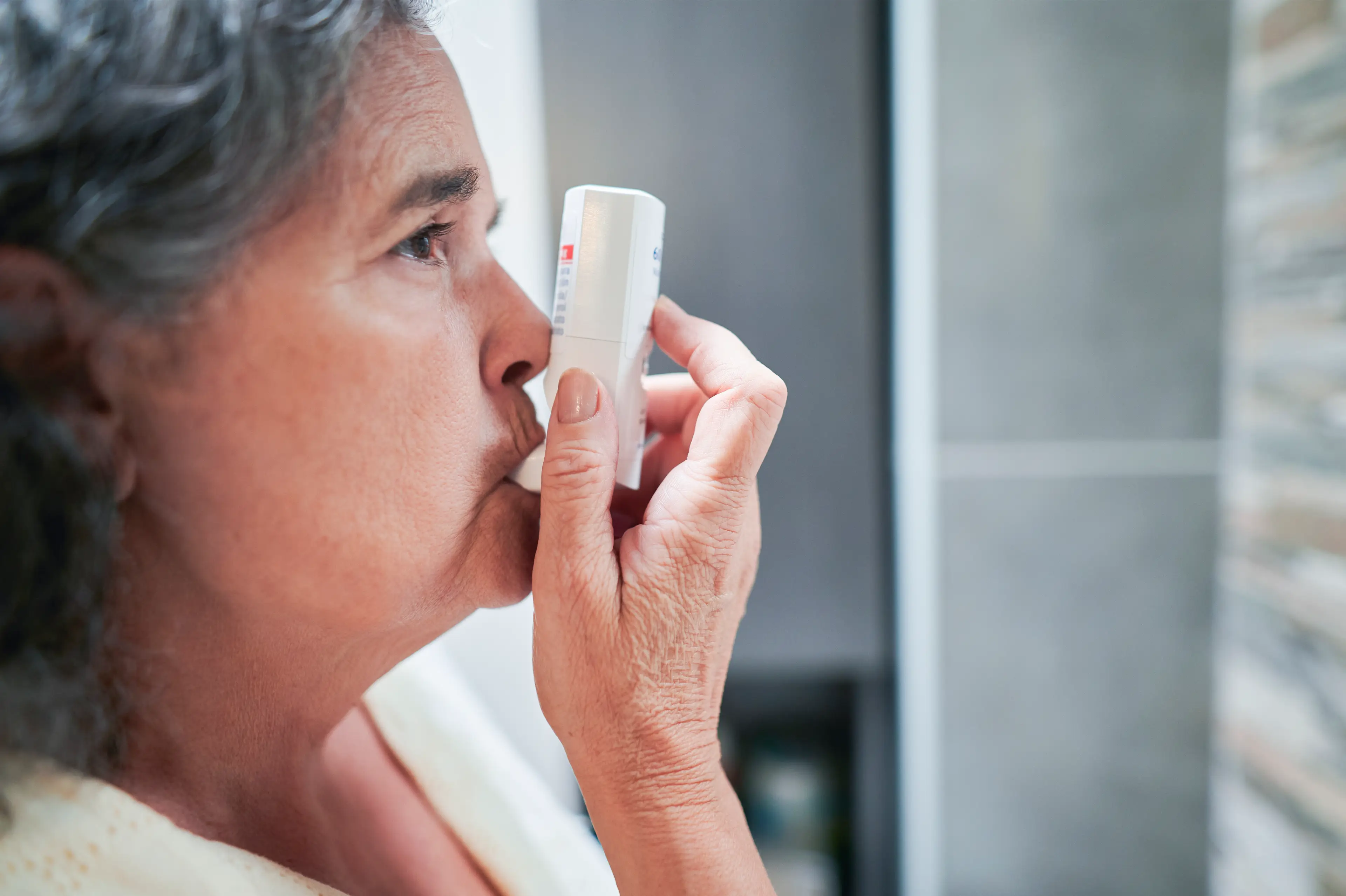
Asthma is a common condition which affects someone's breathing, causing a tightness in the chest and coughing and wheezing.
It can range from being relatively mild to very severe.
“Asthma is another condition that frequently runs in families," said Dr Grainger. "Research shows that children are more likely to develop asthma if one or both parents are affected. Asthma has a strong genetic component."
And that's not the only part of asthma which might be affected either.
“If your parents have asthma, hay fever or eczema, you may have a higher likelihood of developing respiratory or allergic conditions," said Dr Grainger.
"Early diagnosis and having the right treatment plan in place can make a significant difference to quality of life.”
Acne
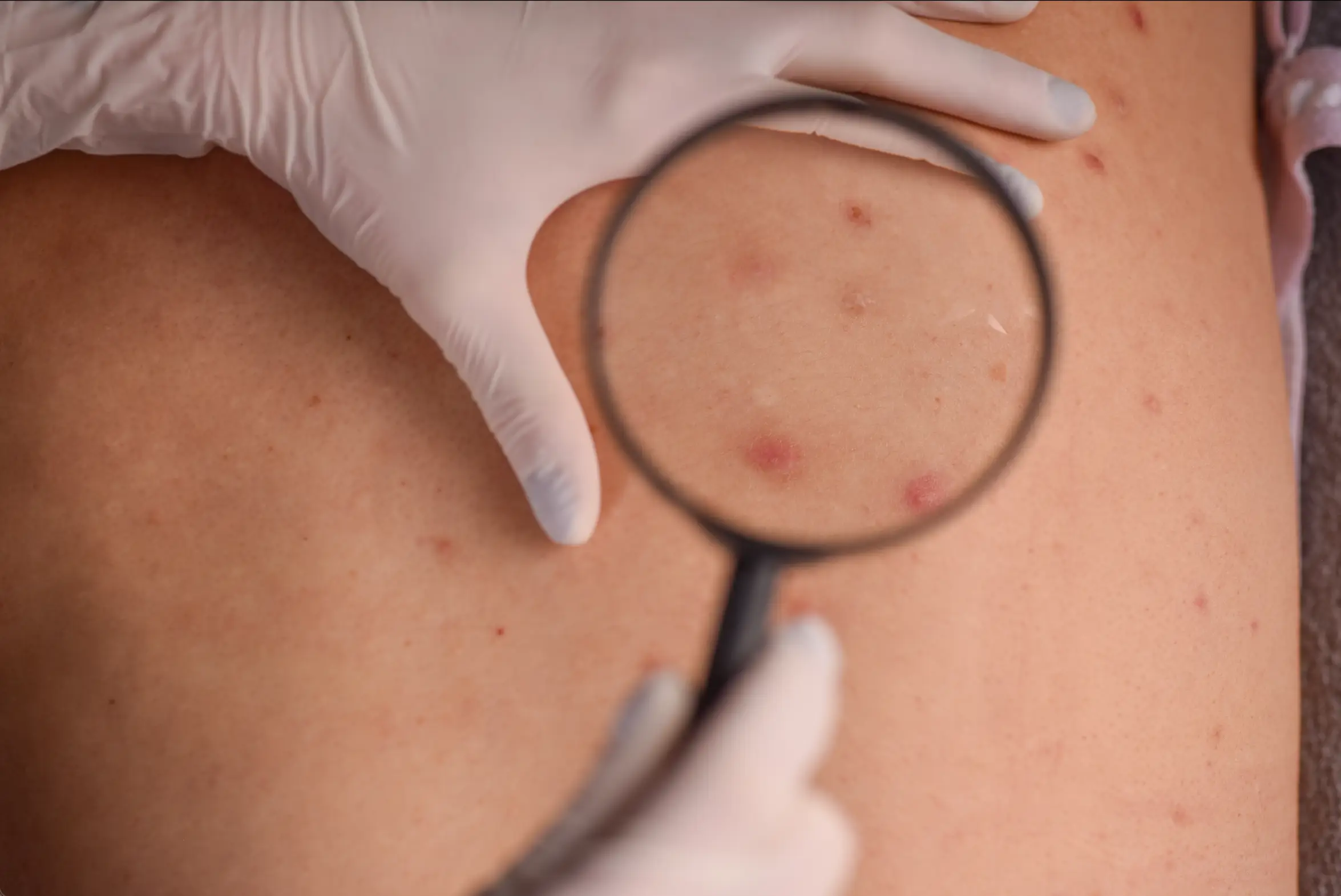
You might assume that this is something that only affects people when they're teenagers, but sadly it can also continue into adult life as well.
Lifestyle such as diet can be a factor in acne, but genetics can also have an impact as well.
“Acne is often dismissed as a rite of passage during adolescence, but genetics can play a significant role in who develops it and how severe it becomes," said Dr Grainger.
"Many people don’t realise that acne can run in families. If your parents experienced persistent or adult acne, there’s a higher chance you may too. Genetics can influence everything from oil production to how your skin responds to bacteria and inflammation.”
Topics: News, World News, Health, Science
 Kit Roberts