Doctor explains why hearing a ‘heartbeat’ in your ears could indicate a serious issue about your health

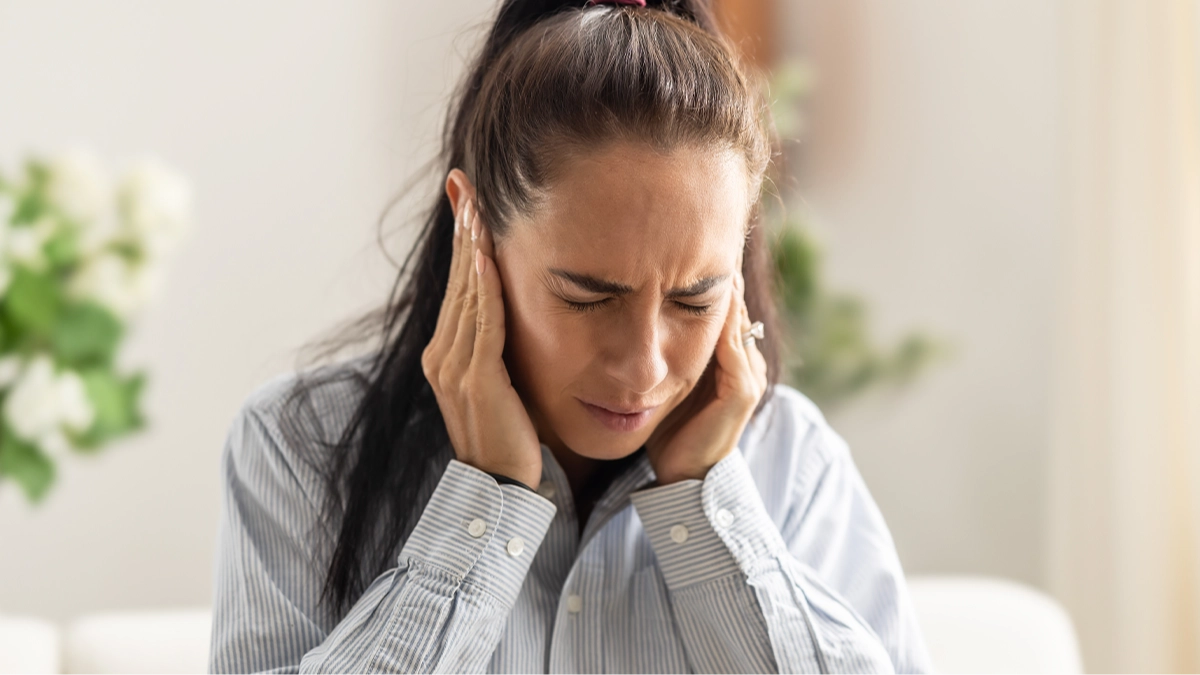
A doctor has explained why you may be hearing a 'heartbeat' in your ears, warning that you should consider paying your GP a visit if you're experiencing such symptoms.
It's not exactly unusual to experience ringing in your ears at some point in your life. Whether that's from the aftermath of listening to loud music or your sibling shouting down your earhole again, it's hardly uncommon.
However, there could be more sinister causes for the weird noise that you'll want to be aware of.
Some people will experience the unpleasant whooshing sound in their ears due to pulsatile tinnitus (PT), a condition which is said to affect three to five million Americans.
Advert
Someone with tinnitus 'may hear steady ringing, buzzing, hissing, whistling or other noises', according to Tinnitus.org, while the sensation 'can present all the time or come and go'.
"The volume of the noises heard can vary from one episode to the next," the site adds.
Those who have PT often say the sound becomes faster when their heart rate increases, with it becoming quieter when their heart is pumping blood around the body more slowly.
Dr Ahmed Abd Elbary states that the symptoms could, in some cases, be a sign of something more serious.
The expert, who goes by @Dra_says on TikTok, explained: "Sometimes, your blood flow can become more turbulent, and the most common causes for this are things like aneurysms and atherosclerosis [the narrowing of the arteries].
"You can also get something called localised increased blood flow which means a particular blood vessel has an increased supply to it. This most often is down to a tumor."

Before you start to panic, the doctor notes that most tumors linked to PT are often benign, though it is of course best to visit a healthcare professional for peace of mind.
"Most of the time, [these are] benign and nothing to worry about, but it’s definitely something you want to get checked out – especially if it is something new or is getting worse," Dr Ahmed.
The doctor said the pulsing is 'usually from a change in blood flow or a change in awareness of the blood flow of the small blood vessels inside your ear'.
Other things that might cause this include a change in blood flow, such as severe exercise, pregnancy, an overactive thyroid, or anaemia.
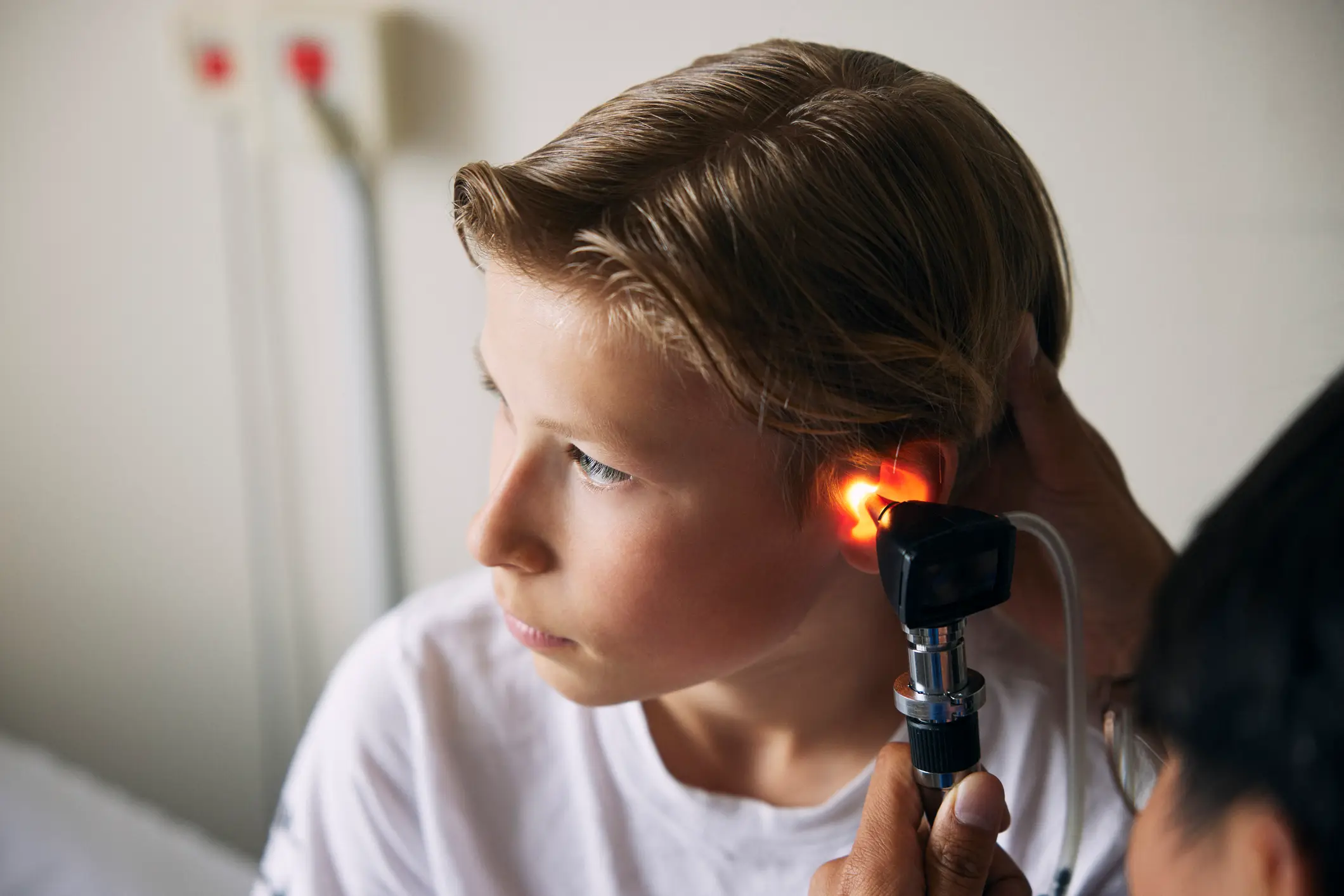
PT will often go away on its own, but people with it are urged to seek medical attention so that a doctor can try and determine its cause and whether further investigation is needed.
Topics: Health
 Callum Jones