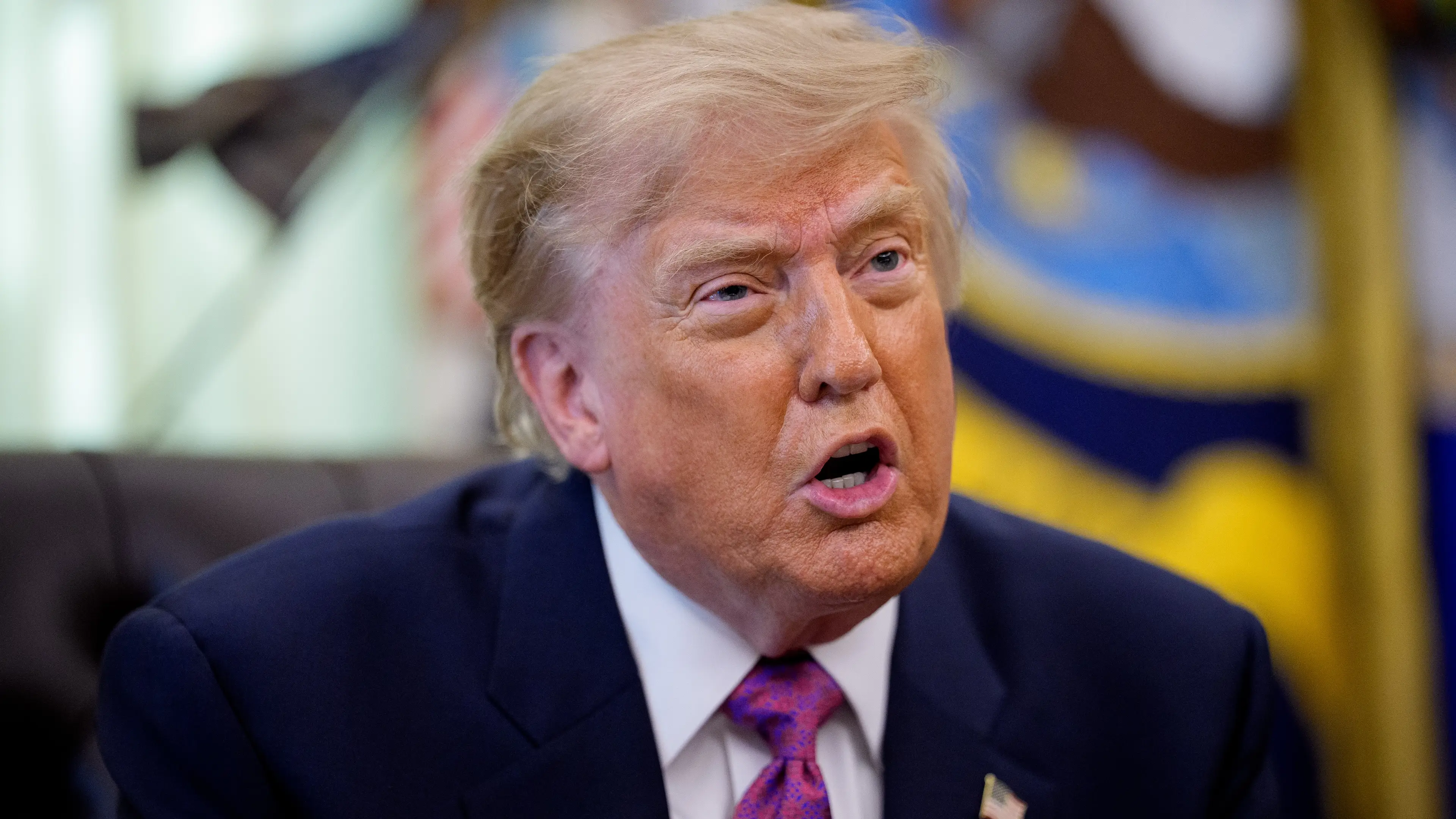
Donald Trump floats idea of renaming Atlantic or Pacific Ocean on US maps

Donald Trump has once again ignited debate over geographic branding after floating the concept of renaming the major oceans that flank the United States on domestic maps.
Speaking on the topic of national sovereignty, heritage, and international cartography, the former president questioned why the United States continues to use historical, globally established names for the massive bodies of water lining its eastern and western coastlines.
The remarks build upon Trump’s previous public musings regarding North American waterways. He has repeatedly raised questions about the naming of the Gulf of Mexico, and even rebranded the name on American federal documents as the "Gulf of America" to reflect the country's extensive coastline and economic dominance in the region.
He has also previously taken aim at northern waterways, including Lake Ontario along the Canadian border - and signed into effect a new order on Thursday that would change the name to Lake America.
Advert
The name change to Lake Ontario comes hot on the heels of increasing tensions with neighbours Canada, after they implemented reciprocal tariffs on US goods in response to Trump's own decision to implement 50% tariffs on all cars, trucks, both large and small, automotive Parts, and steel.
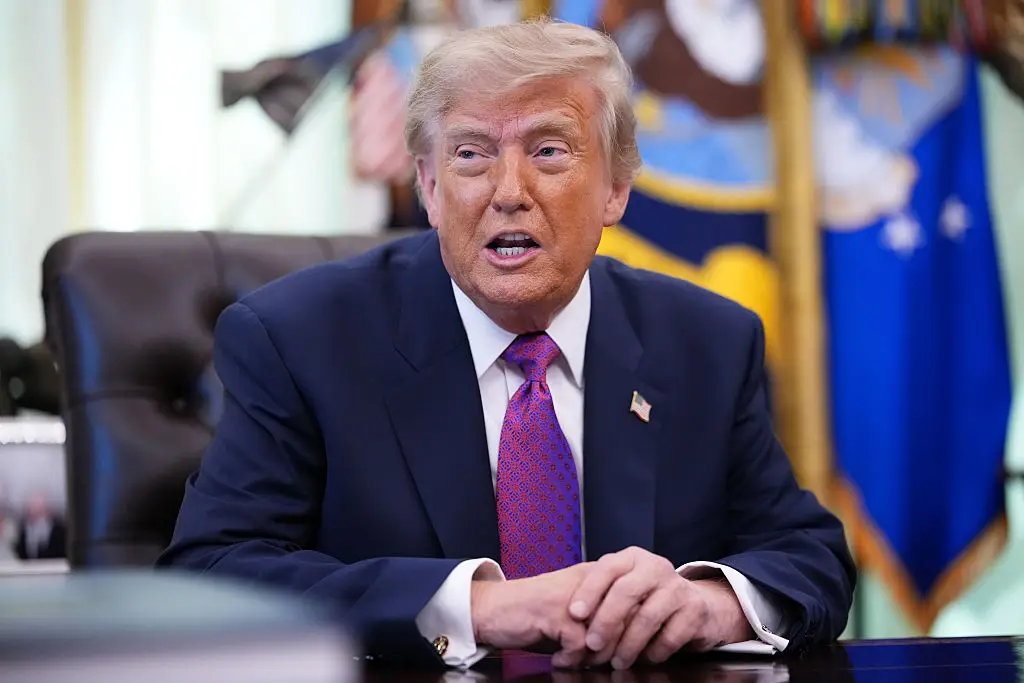
“Canada has been ripping us off for a long time on trade," he declared on Thursday. "They want to be treated like they’re a state and we just can’t do that anymore,” he added.
“It’s something I’ve been thinking about for a long time.”
Yet it seems the President isn't content on stopping there, and even went on to float the idea of changing the names of two of the biggest oceans in the world.
Trump suggested that the Atlantic and Pacific Oceans could warrant similar reconsideration on official United States maps, arguing that the nation’s primary maritime borders should better reflect American identity.
“We have a gulf and we have a lake,” Trump, 80, told reporters in the Oval Office. “Now all we need is an ocean. Maybe we’ll have to change the name of the Atlantic and/or the Pacific. Maybe we’ll change them both.”
The comments prompted immediate discussion online, drawing a sharp contrast between political commentators and cartography experts.
Domestically, official geographic names on federal maps are overseen by the U.S. Board on Geographic Names (BGN), an inter-agency body established to maintain uniform name usage across the federal government.
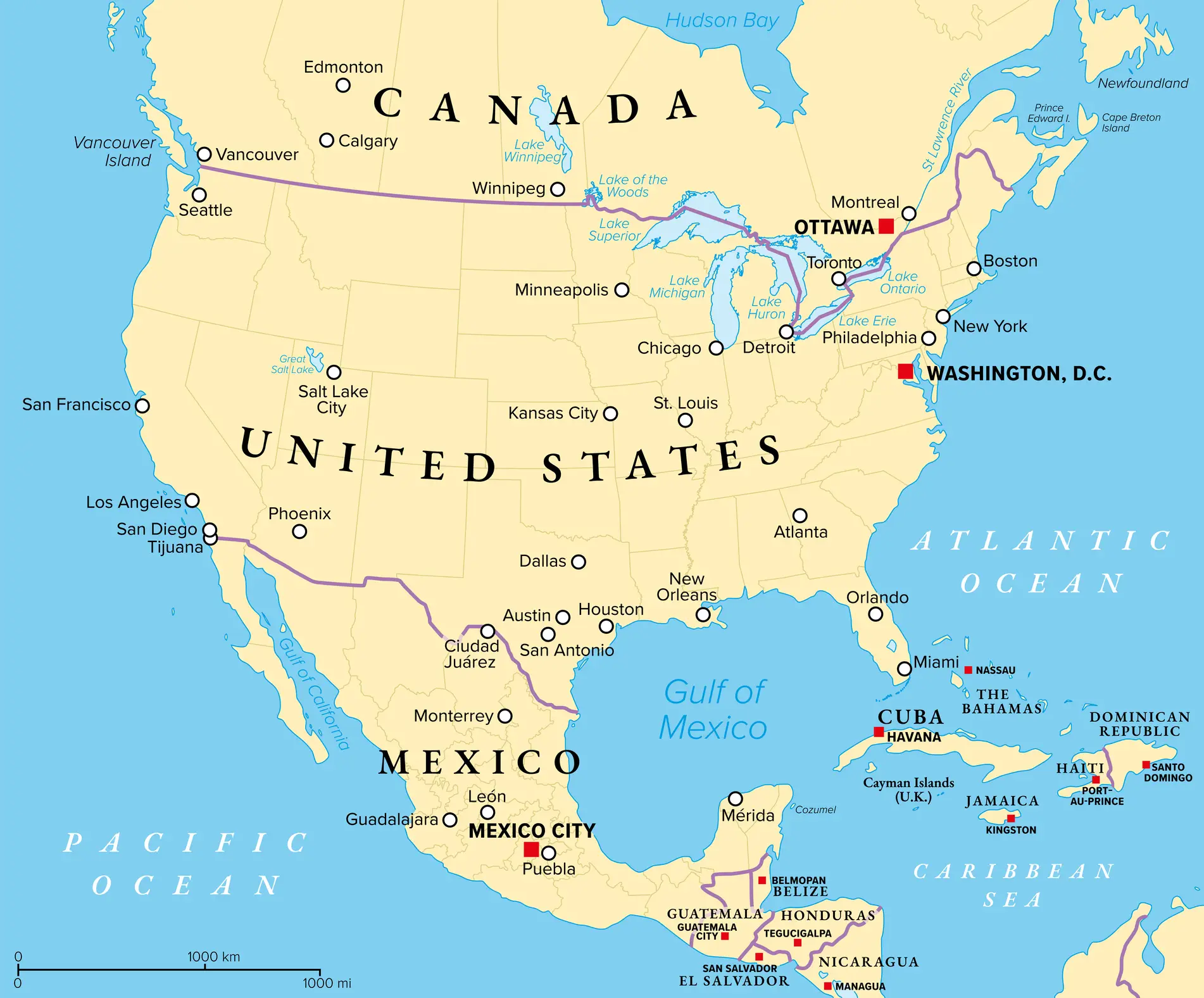
However, international waters and global ocean borders are governed by international treaties and standardized through bodies such as the International Hydrographic Organization (IHO) and the United Nations Group of Experts on Geographical Names.
Critics quickly pushed back on the suggestion, characterizing it as a performative distraction with no legal or international feasibility. Geographers pointed out that changing the global names of major oceans would create massive logistical hurdles for international shipping lanes, aviation routing, naval coordination, and international law.
Supporters, however, defended the rhetoric as a classic example of Trump’s populist, "America First" communication style, framing it as a critique of international conventions and a symbolic assertion of American prominence.
While no formal legislative or executive framework exists to unilaterally alter the names of the world's oceans, the remarks have added another chapter to Trump's long-running focus on symbolic national branding.
Topics: US News, Donald Trump, Canada
 Phoebe Tonks