“I write letters to death row inmates awaiting execution - What they've told me changed how I see the world”

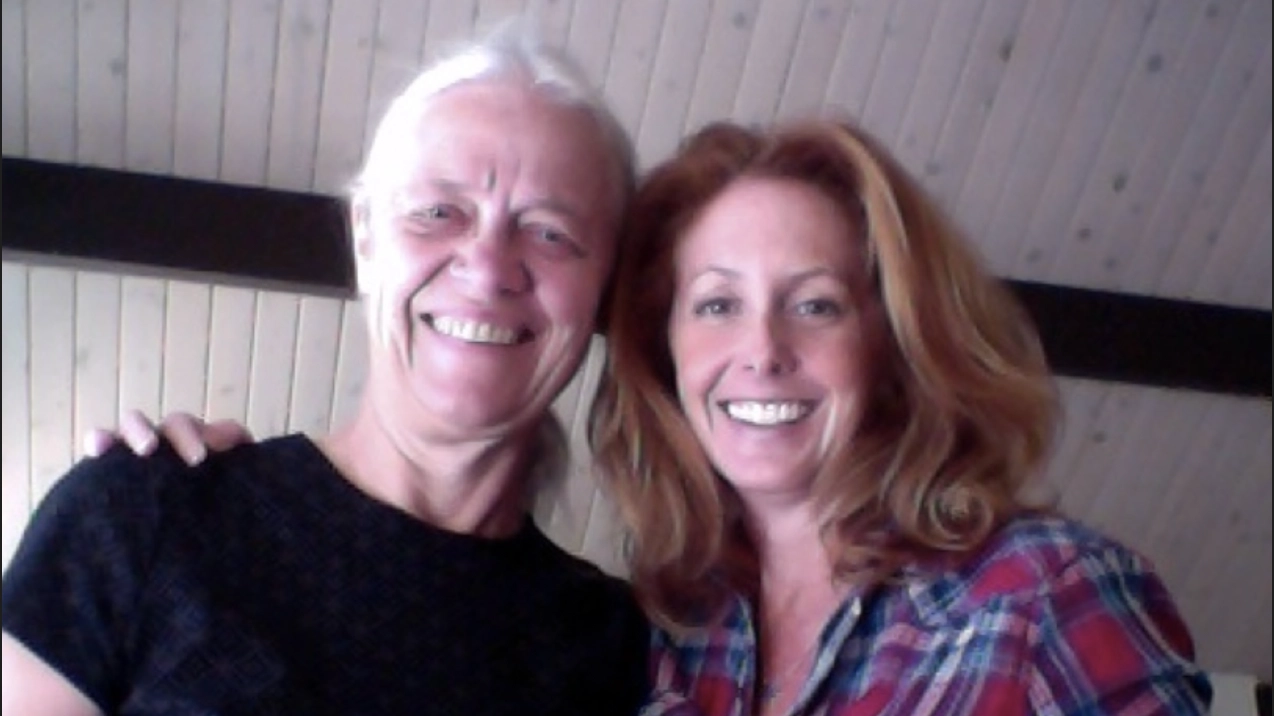
Dina Milito has spent more than a decade building friendships with incarcerated people across the United States, including men awaiting execution on death row.
The California-based marriage and family therapist began writing to prisoners after surviving a violent crime herself, but the letters eventually changed how she understood the people behind some of the most serious offenses.
Speaking to UNILAD, Dina explained how everyday conversations, difficult questions and friendships formed through the prison system have become central to her volunteer work with Minutes Before 6, a charity that shares writing and artwork created by incarcerated people.
Rather than focusing solely on the crimes that led to their imprisonment, she wants to give them opportunities to communicate their experiences and reconnect with others.
Advert
How did Dina Milito start writing to death row inmates?
Dina was 19 when she was attacked by a stranger while walking home from a train station. Her attacker was subsequently caught, tried and convicted, but the outcome did little to resolve the questions she had about what happened.
Although his imprisonment may have made the community safer, Dina said she was left struggling to understand why someone would commit a violent act, particularly when the man had previously been imprisoned.
As part of her healing process, she began reading writing by incarcerated people and discovered Minutes Before 6, which featured work by Texas death row prisoner Thomas Whitaker.
She eventually contacted Whitaker, although their early correspondence was not straightforward.
"I remember thinking, 'Why should I feel sorry for you when I have my own pain?'" she recalled.
Their exchanges gradually developed into a friendship. Whitaker later introduced her to another prisoner, Kevin, who had received an execution date.
Dina and Kevin began exchanging letters daily, giving her a closer understanding of the emotional toll of facing execution.
Through their correspondence, she learned about his remorse, anguish and the consequences of his actions for other people.
The experience fundamentally changed her perspective. When Whitaker subsequently asked her to help recruit writers for Minutes Before 6, she agreed.
She also became involved with the Death Row Support Project in 2010, through which she continues to maintain some longstanding relationships.
What is it like to write letters to people on death row?
For Dina, correspondence with prisoners is not always dominated by discussions about crime, punishment or mortality.
Instead, many conversations revolve around ordinary interests, family relationships, books and how people spend their time.
She asks questions about prison life because she has never experienced it herself and knows conditions can differ significantly between states.
In Texas, she explained, many death row prisoners spend 23 hours a day in their cells. In California and Pennsylvania, prisoners have greater opportunities for interaction, including studying, working, eating together and spending time in communal areas.
Over the years, Minutes Before 6 has received writing and artwork from hundreds of incarcerated people, many of whom are on death row. Through the project, she has developed relationships with people imprisoned across the country.
Some remain acquaintances, while others have become close friends over more than a decade.
Dina believes these connections can offer something that punishment alone cannot provide.
"Society already has people whose role is to arrest, convict and punish offenders," she explained, describing a lesson from her mentor at the Death Row Support Project.
She believes her own role can instead involve helping prisoners reconnect with their humanity.
Many of the people she has met experienced victimization, neglect or difficult circumstances before committing offenses, she said. Understanding those experiences does not excuse their actions, but it can provide context for their lives.
For Dina, that distinction matters when considering rehabilitation. She also sees the work as part of her own healing, having found a way to respond to the experience that first prompted her questions about violence.
How can people volunteer to write to death row prisoners?
Dina said one of the most rewarding aspects of her work is bringing together people from different sides of the criminal justice system to create something meaningful, whether through writing, artwork or personal correspondence.
She encourages anyone interested in becoming a prison pen pal to explore the Death Row Support Project, a free, volunteer-run service that matches members of the public with people on death row.
The project holds regular information sessions explaining how matching works, what volunteers can expect and what writing to an incarcerated person involves.
For Dina, the relationships formed through these letters have offered a perspective she could not have gained from simply reading about the criminal justice system.
"What I give to this work, I feel like I get far more in return," she said.
 Thomas Bamford