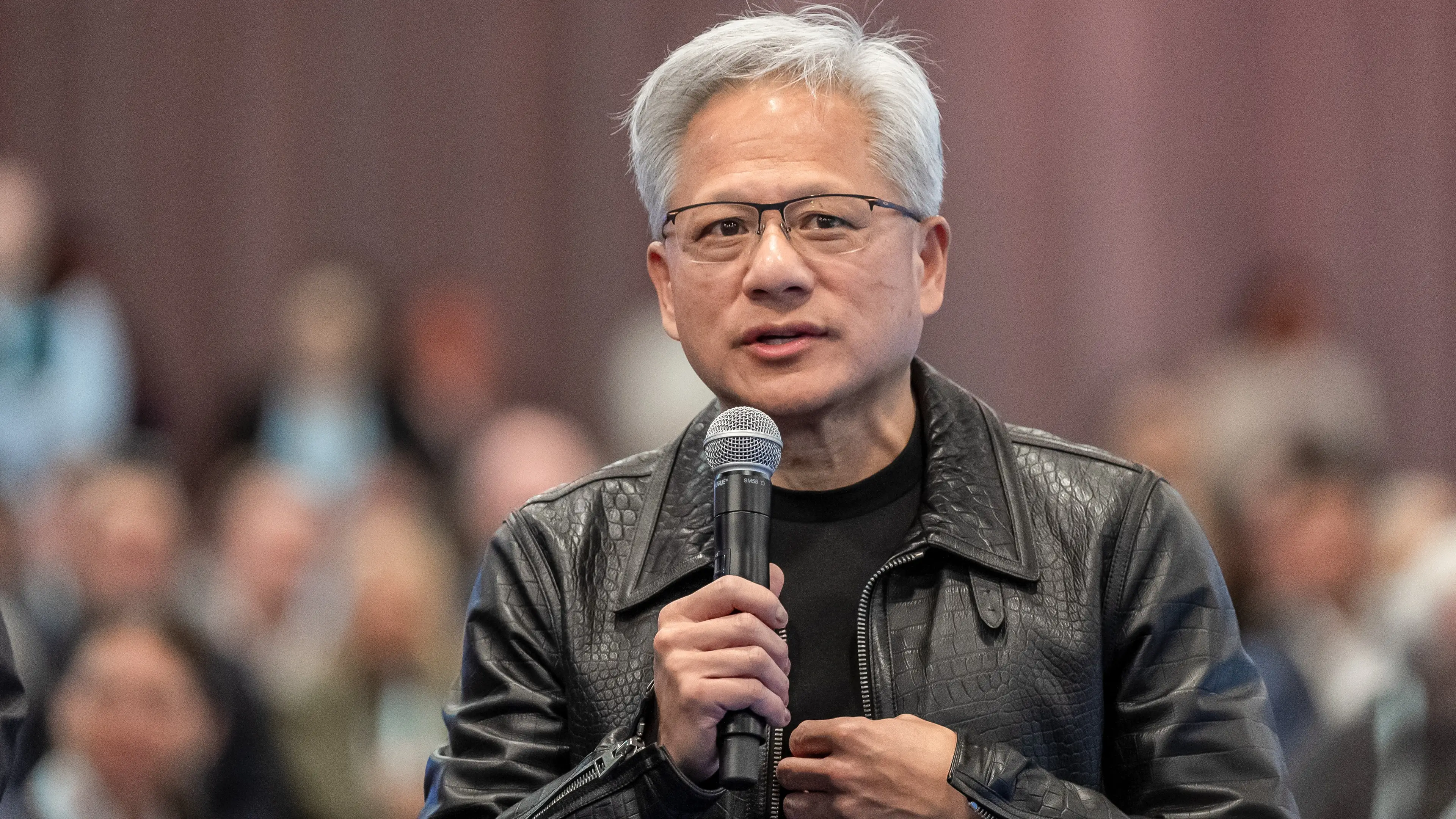
Body language expert breaks down Jensen Huang's 'interesting' reaction to Trump's sudden phone call

When Donald Trump phoned Nvidia CEO Jensen Huang live on stage at the All-In Summit in Los Angeles, the moment was framed as an unscripted, impromptu tech-world disruption.
However, according to a detailed behavioral analysis, the high-stakes interaction between the head of the world's most valuable chipmaker and the President revealed a masterclass in public performance, status signaling, and calculated flattery.
The exchange unfolded as Huang was addressing attendees on stage, before being handed a phone and placing Trump on speakerphone for the entire auditorium.
During the five-minute call, Trump doubled down on his defense of artificial intelligence, dismissing safety concerns and "doomerism" as a "hoax" while arguing the United States must aggressively outpace China.
Advert
Breaking down the interaction, a body language expert noted that the moment the call arrived, the summit's host remarked that it "wasn’t planned but we know who it is"—a tell that signaled the call was planned to a certain degree and hardly an authentic shock.
Instead of panic or caught-off-guard discomfort, Huang's physical gestures signaled heightened enthusiasm.
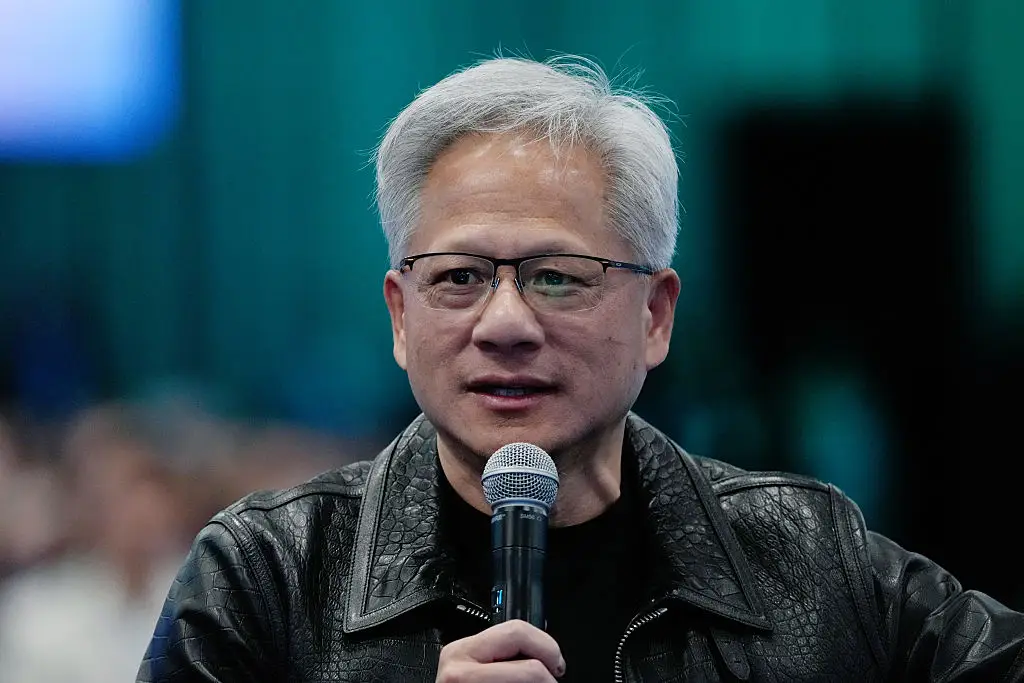
"What we see from Jensen Huang when he takes the call is not surprise, we see excitement," the analysis observed.
"We see his feet tapping and bouncing and we see a playful poke of his tongue through his lips. Small repetitive movements like the foot tapping can occur during heightened emotional response. If we look at the whole behavioural cluster, Jensen doesn’t seem uncomfortable. Quite the opposite."
Rather than shying away from the spotlight, Huang immediately leaned into it: "He smiles, laughs, engages with the audience and turns a personal phone call into part of the public performance. He is clearly comfortable with Donald Trump and clearly familiar with him."
While Huang maintained a deferential posture—frequently uttering phrases like "Mr President" and "yes sir"—the expert noted that Huang understood the immense PR leverage of having the President personally ring him mid-event.
"His behaviour shows that he is enjoying what the moment communicates about him," the analysis detailed.
"He looks round at the audience, he laughs, he is actively moving his foot – this is a good experience for him and he knows it elevates his status. A private exchange is more of a public signal of recognition and Jensen is aware of this."
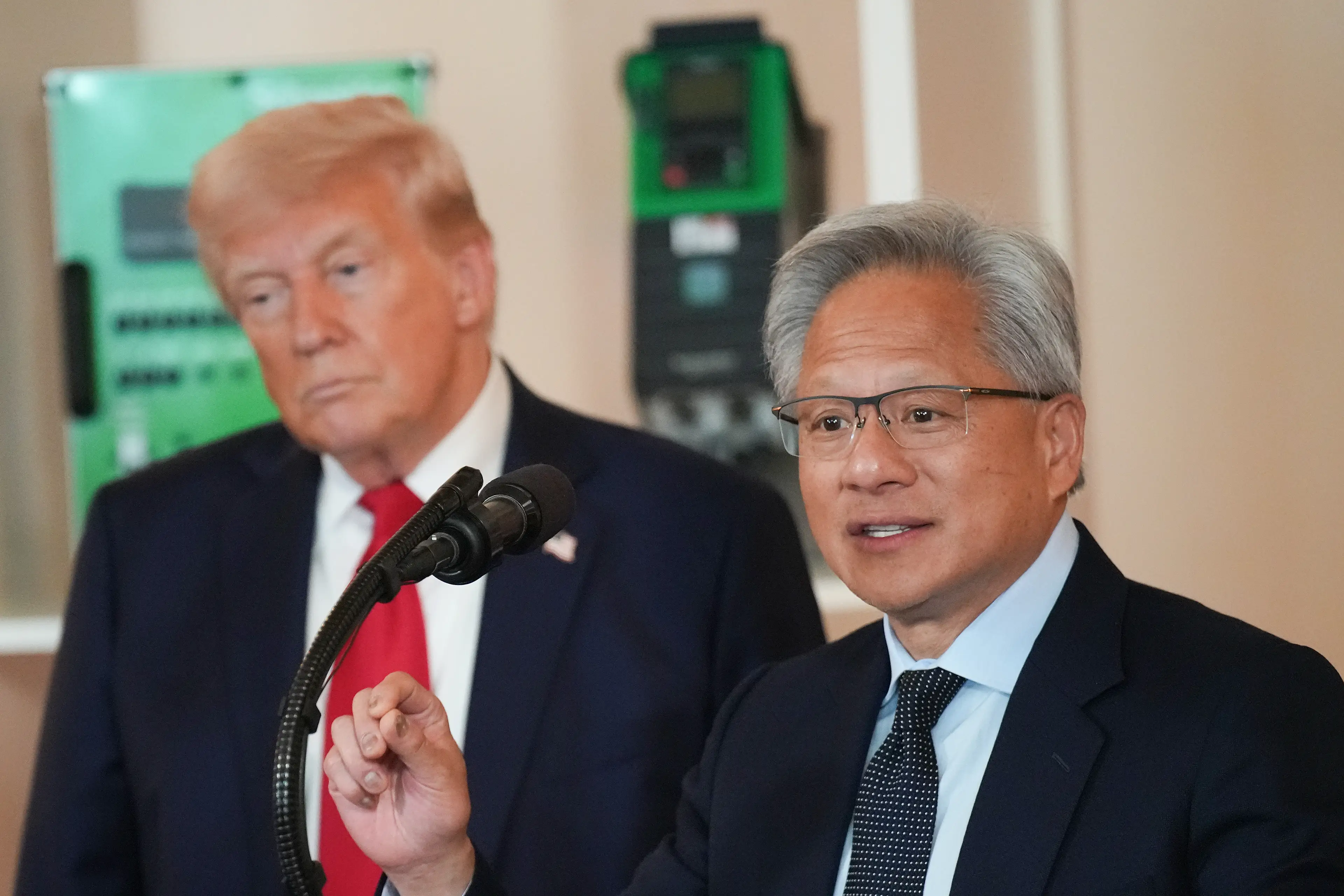
The exchange also showcased subtle diplomatic maneuvering. Because the administration oversees regulatory decisions and export restrictions with massive commercial implications for Nvidia's chip business, Huang employed flattery alongside what analysts call "strategic alignment."
When Trump bragged that his MIT professor uncle gave him "good genetics," Huang stroked his ego by quipping: "That explains why you know so much about AI."
Later, when Trump framed the technological landscape around an aggressive, singular victory, Huang politely reframed the message without open conflict: “We're going to make sure that everybody wins in the AI race in America, every industry, every company, every state, every people.”
"Huang uses inclusive language," the expert concluded. "It’s what we call in behaviour analysis a 'strategic alignment' to show agreement but with a subtle re-direct... Trump's administration makes policy decisions that can have enormous commercial consequences for Nvidia, particularly export controls and China. So Huang has a very strong incentive to maintain presidential rapport."
Topics: US News, Donald Trump
 Phoebe Tonks