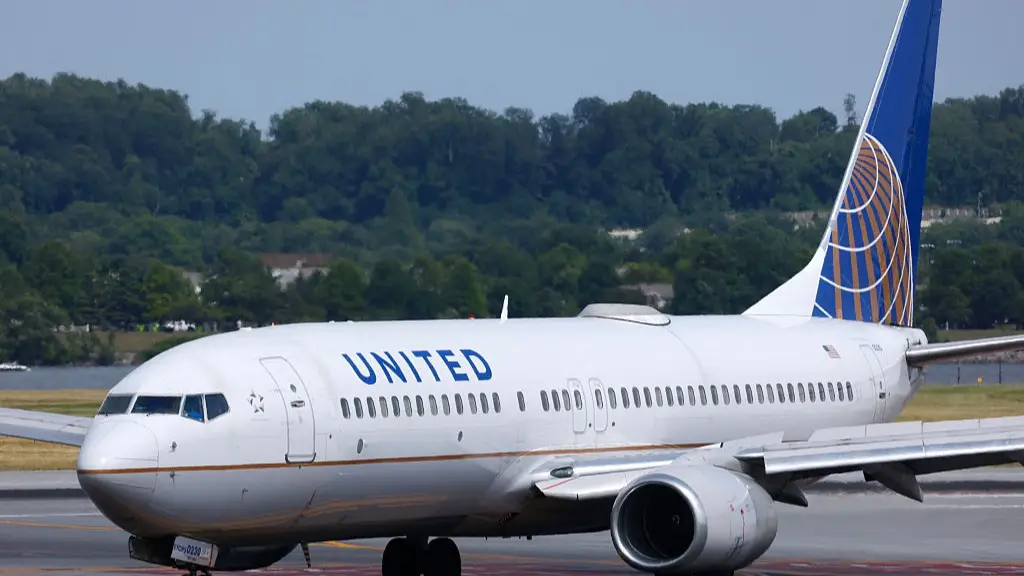
United Airlines confirms it's testing a new economy row with a 'permanently blocked' middle seat

United Airlines has confirmed it is actively developing a brand new economy seating concept that locks out the middle seat—and industry experts say it comes with a brilliant logistical advantage.
There are very few universal truths in modern life, but 'everybody absolutely hates the middle seat on an airplane' is firmly at the top of the list.
Between fighting both your neighbours for basic armrest territory and being awkwardly sandwiched for hours on end, it is easily the most dreaded spot in the skies.
So, when rumors leaked on Reddit that United Airlines was looking to permanently block out middle seats in its economy cabins, frequent flyers initially rejoiced.
Advert
The airline has since confirmed to aviation outlets like The Points Guy that it is indeed exploring the concept for its brand-new, long-haul Airbus A321XLR fleet, which is set to hit the skies this summer.
The design introduces a fixed tray table, dubbed the ‘perma-tray’, that bolts directly over the center seat, guaranteeing the window and aisle passengers zero neighbours, extra elbow room, and a massive shared table for laptops, drinks, and snacks.
On paper, it looks like a rare, luxury-style upgrade for budget travelers.
But behind the scenes, industry experts have pointed out that the clever design also perfectly solves a complex regulatory puzzle regarding cabin crew numbers.
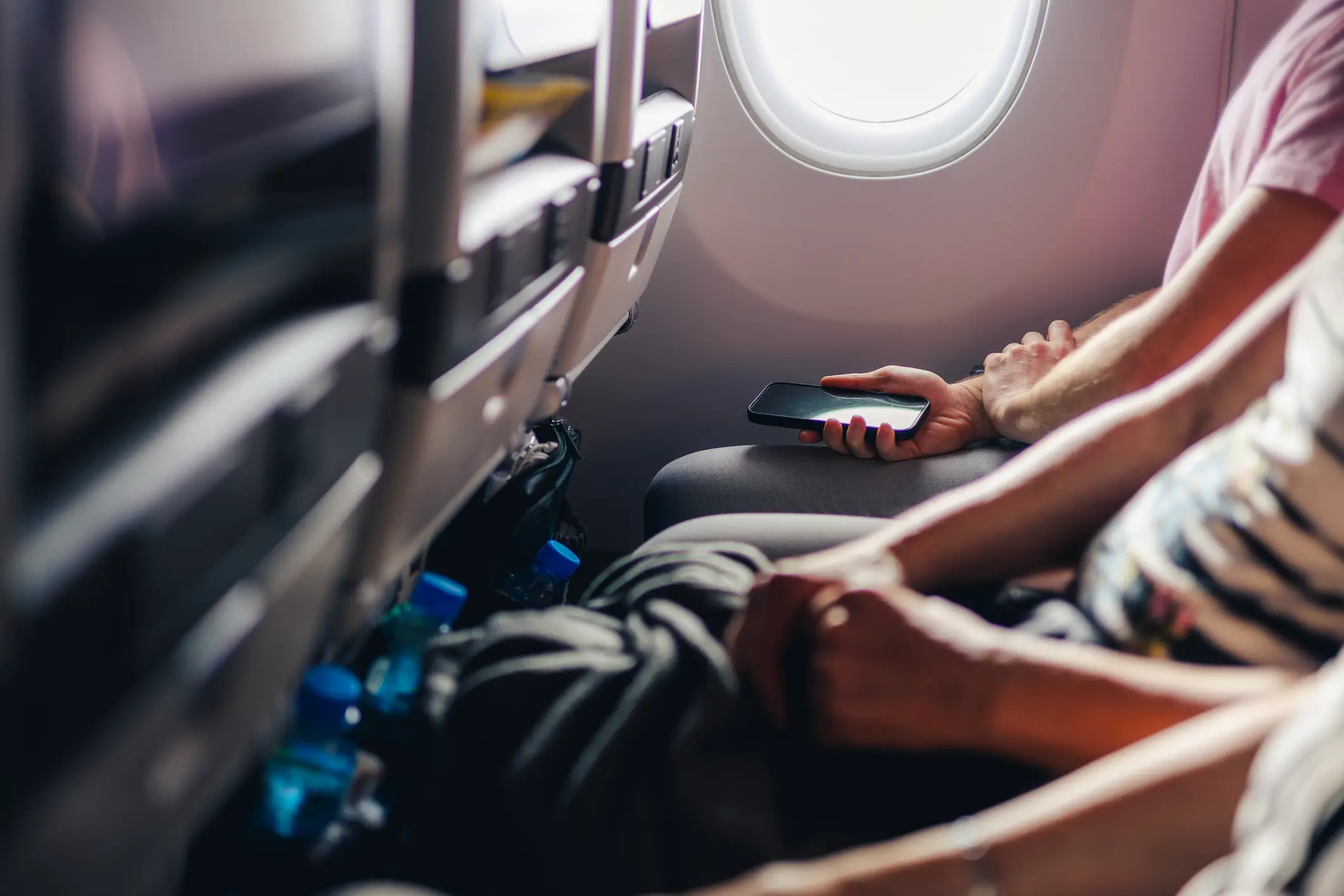
While passengers will undoubtedly love the extra space, aviation insiders have noted that the concept serves a major dual purpose.
Under Federal Aviation Administration (FAA) safety regulations, commercial airlines are legally required to staff exactly one flight attendant for every 50 passenger seats on board an aircraft.
United's upcoming Airbus A321XLR aircraft are highly anticipated, premium-heavy jets designed to fly long-distance routes to secondary cities in Europe and South America.
By physically bolting the ‘perma-trays' over a small handful of middle seats, United can artificially cap the plane’s maximum capacity at exactly 150 passengers.
As aviation experts such as AeroExplorer point out, keeping the seat count at exactly 150 allows the airline to legally comply with FAA brackets using exactly four flight attendants per flight. If the aircraft configuration tipped even one seat over that 150 threshold, United would be legally required to hire, schedule, and fuel the weight of a fifth flight attendant. Capping the layout via the "perma-tray" allows the carrier to keep a tight lid on operating and labor costs over thousands of long-haul flights.
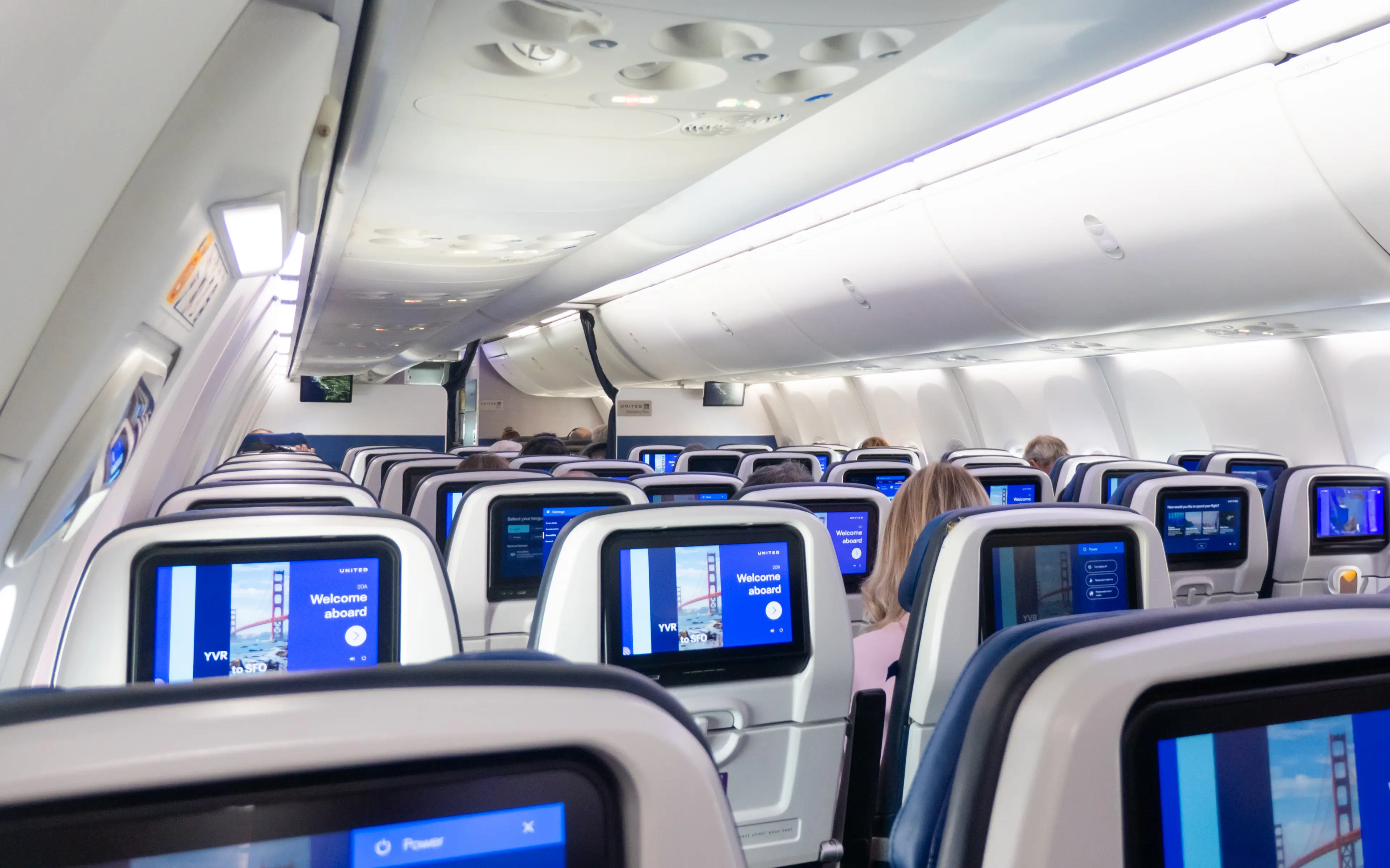
The hardware borrows heavily from the "Eurobusiness" model commonly seen on short-haul flights across Europe, where carriers like British Airways or Lufthansa simply leave the center seat of a standard row empty and call it business class.
However, while European airlines do it temporarily via software so they can adjust the cabin size on the fly, United’s physical plastic tray approach permanently alters the plane's official seat count on paper to satisfy the aviation regulators.
Fewer people on board also brings a massive wave of positive benefits for the passengers who do snag a ticket.
A capped passenger count means the plane boards and deplanes significantly faster, the aisles are less chaotic, lines for the lavatories are shorter, and there's a near-guarantee that everyone's carry-on bag will actually fit in the overhead lockers.
United has yet to publicly confirm an official route or pricing structure for the ‘perma-tray’ rows, but did tell PEOPLE that it was actively exploring options, meaning a summer of extra elbow room and more comfortable flying might not be too far away.
 Phoebe Tonks