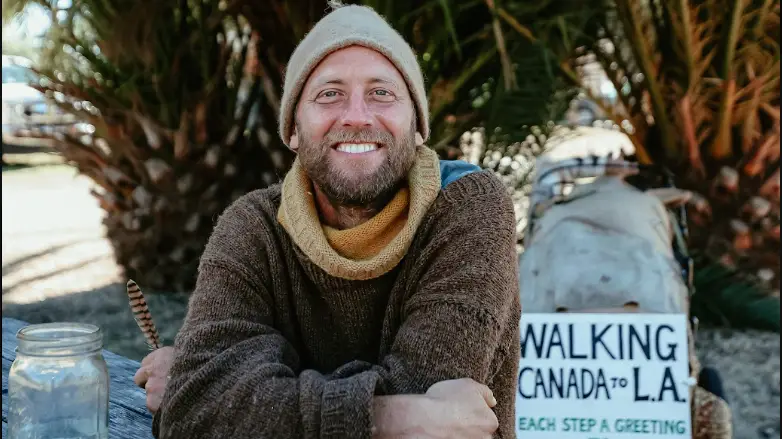
Man reveals the ‘empty soul’ moment that made him give up everything he owned

A man who once set out to become a millionaire by 30 has revealed why he abandoned that plan entirely and now lives with a mere handful of possessions to his name.
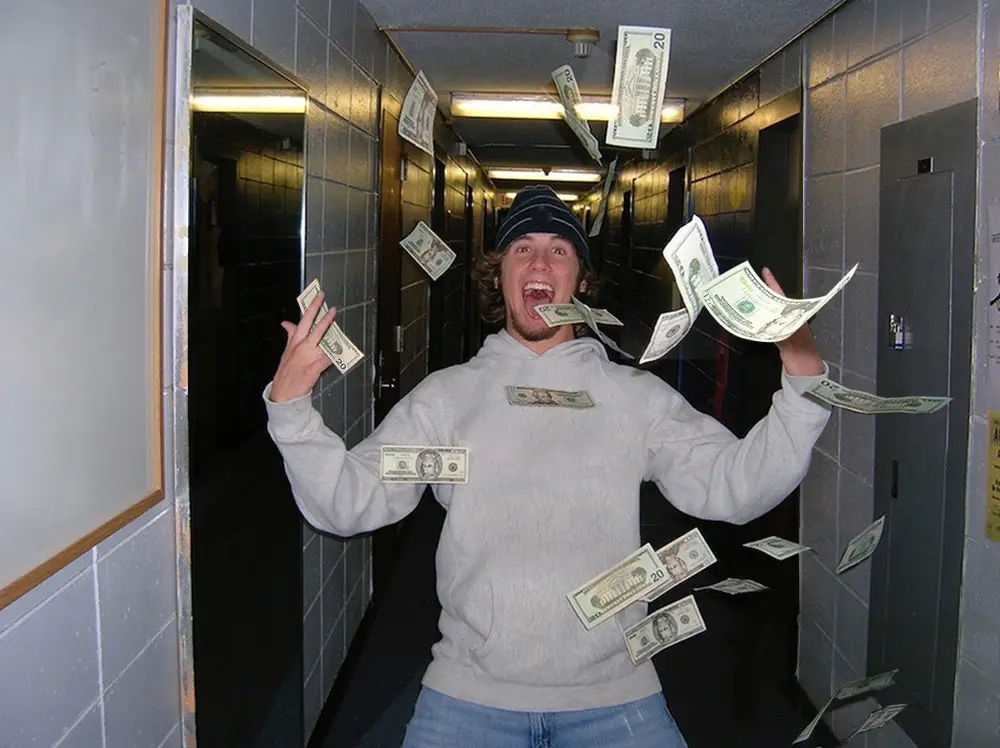
Robin Greenfield, 39, was running a marketing company and closing in on the lifestyle he had always chased when a wave of documentaries and books changed his outlook overnight.
"I was very focused on material possessions and financial wealth, and I was pursuing the American Dream, so to speak" he tells UNILAD.
"Everything was going according to plan... And then something happened."
Advert
That ‘something’ was a realization that his spending, his trash and his money were all tied to what he describes as systems of exploitation, and it pushed him to walk away from consumer life for good.
How many possessions does Robin Greenfield own?
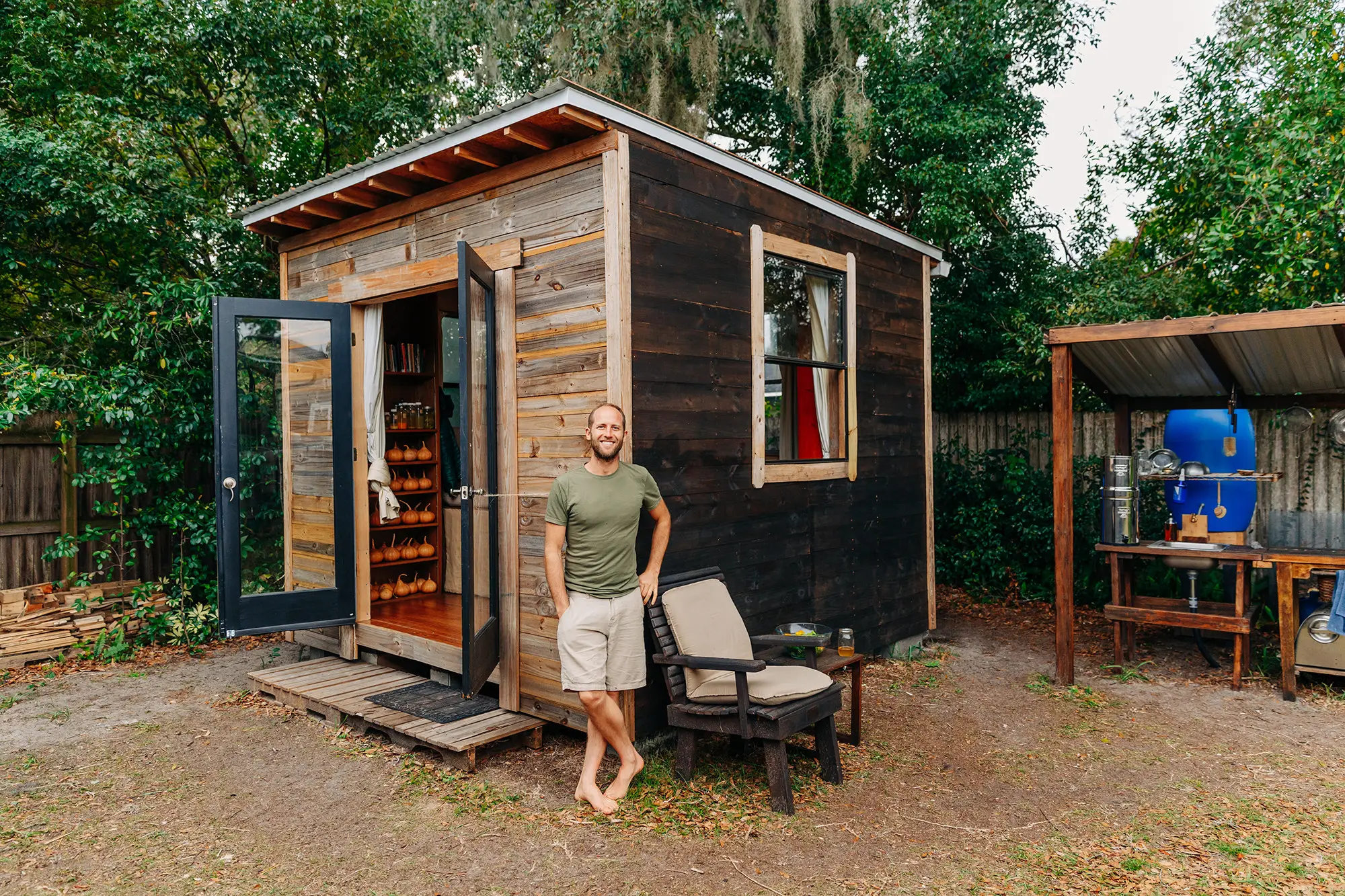
Robin pared his belongings down from a full apartment to 111 items in 2016, then to just 44 by 2020, before eventually taking things further than most would dare.
Three years ago, he says he stood naked in Griffith Park in Los Angeles and gave away every single thing he owned, including his passport, driver's license, birth certificate and Social Security card.
"I literally owned nothing for four months," he says. "What I was wearing, I'd borrowed from somebody and gave back to them. No computer, no toothbrush, nothing."
He continues: "I think most people have a desire to live in the present moment, but how can we do that when we have numerous credit cards, all these bills, bank accounts, digital assets here and there, so many possessions to take care of, spread all throughout our lives?
"One of the keys for me to true happiness is being able to live more in the present moment, and that's where living simply is so key."
He said the less he needs in his life, the easier it is for him to find fulfilment.
"A life based on money is designed so that you're always going to need more, more, more material possessions in order to feel fulfilled.
"My antidote is less, simplify my needs to the absolute basics, simplify my desires to the basics, and then I can be very content with what I have.
"Gratitude is one of the most important medicines too, because when we're grateful for what we have, we're not focusing on what we don't have."
Robin described one of his most peaceful days as the afternoon he sat with no possessions in Griffith Park, though he now has more belongings again, largely because of a year spent foraging all of his own food - a project that required hundreds of storage jars alone.
But he says the test he applies to anything he owns hasn't changed: does it meet a basic need, or help him serve others?
Why did Robin Greenfield give up his possessions?
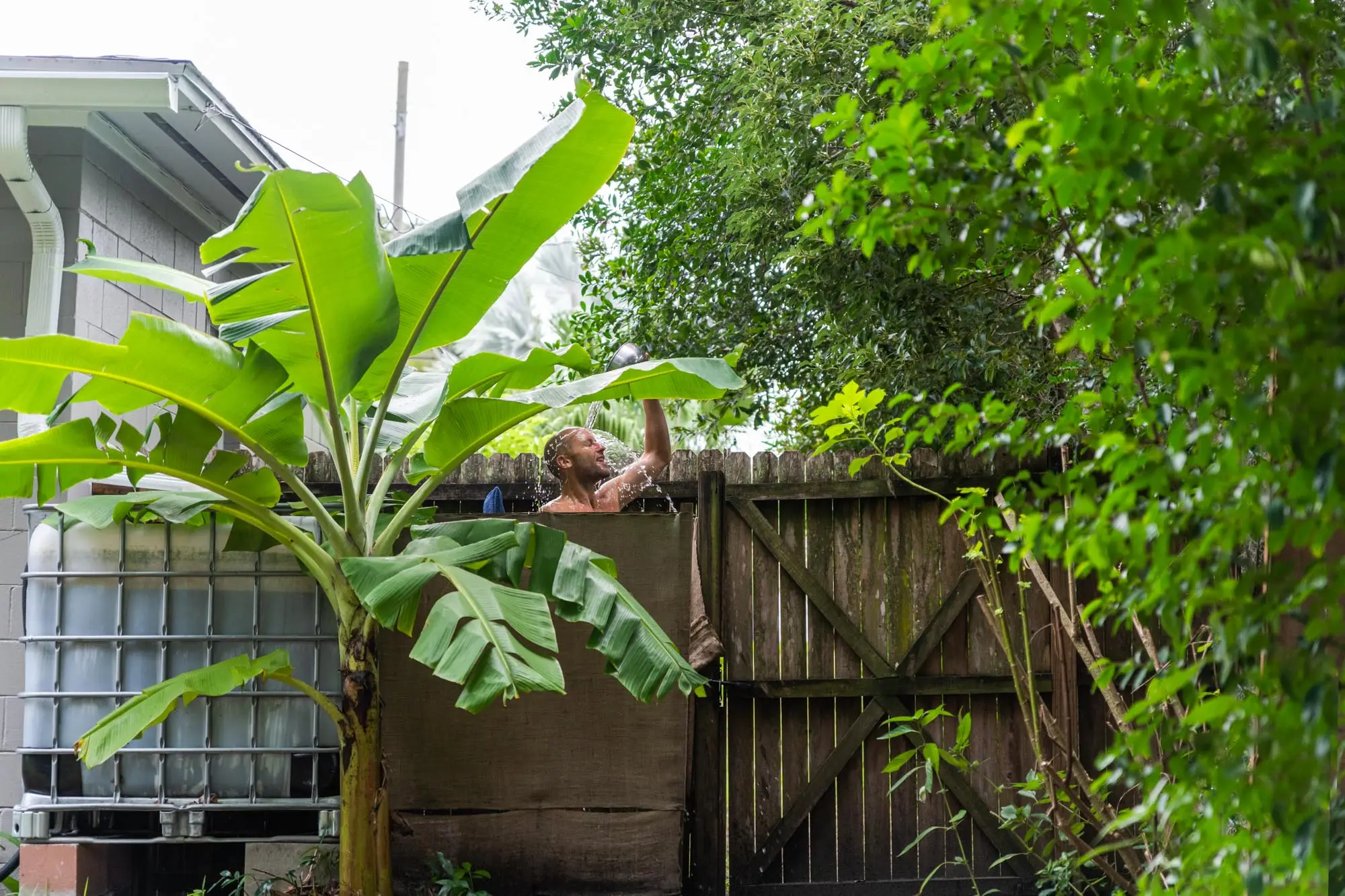
Greenfield said the decision wasn't really about a number of items at all, but about severing his life from convenience that comes at somebody else's expense.
"Almost every time, it meant the burden was being placed on someone else," he explained, describing how tracing everyday conveniences back to their source usually revealed a hidden cost paid by ecosystems, animals or workers overseas. He argued that society is built to obscure that trade off.
"If we all walked outside our doors and saw the truth behind our actions right on our doorstep, we wouldn't be able to live the way we are," he said.
Rather than framing his lifestyle as one of sacrifice, Robin insists it freed up space in his life rather than emptying it.
"The more I let go, I don't create a void inside myself, I create space, and then I can fill that space with what I truly want in life," he said.
Robin, who grew up in Ashland, Wisconsin, has since moved back to his hometown on the shore of Lake Superior after nearly two decades away.
He said his goal isn't to convince everyone to copy him exactly, but to get people questioning whether their daily actions match their stated values.
He said: "My objective is to help people think critically. I'm not here to tell anyone exactly what to do, we're all free human beings who get to make our own decisions.
"What I'd like to do is stimulate questions inside people.
"Two of those questions are: am I living the life I truly want to live? And are my actions in alignment with my beliefs? If the answer to both is yes, then great, continue as you are.
"But if the answer is no, this isn't the life I really want, my actions aren't aligned with my beliefs, maybe there's some anxiety, some gurgling in the chest about it, then, well, what do we want to do about it? How do you want to take your life back?"
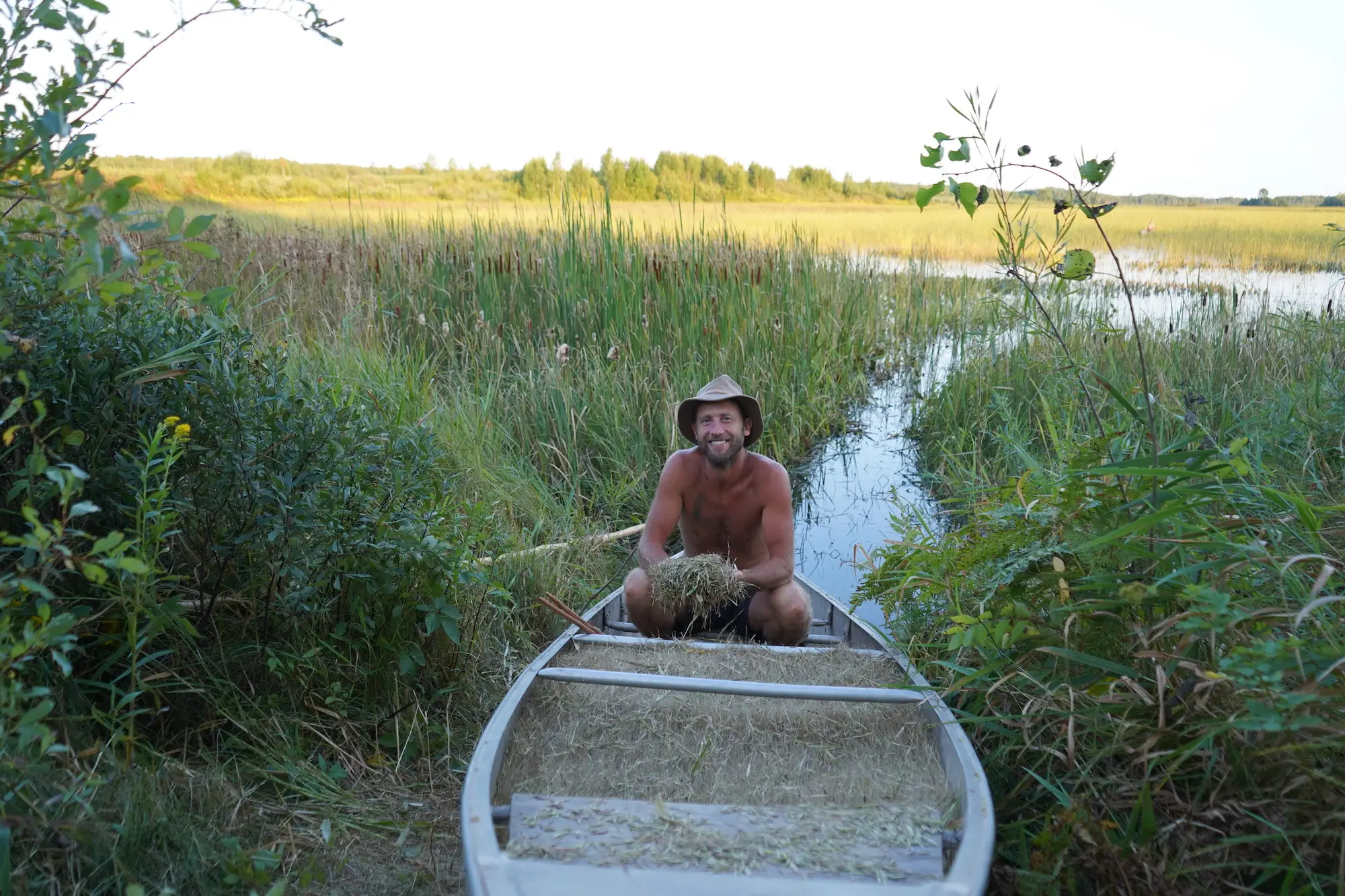
He finished with a final bit of advice.
"My encouragement to people is to go one step at a time. Don't get overwhelmed by the endlessness of climate change, biodiversity loss, soil degradation, the political scene," he said.
"Focus on what you can do, start with what excites you and brings you joy."
Topics: Environment, Nature, US News, Money
 Thomas Bamford