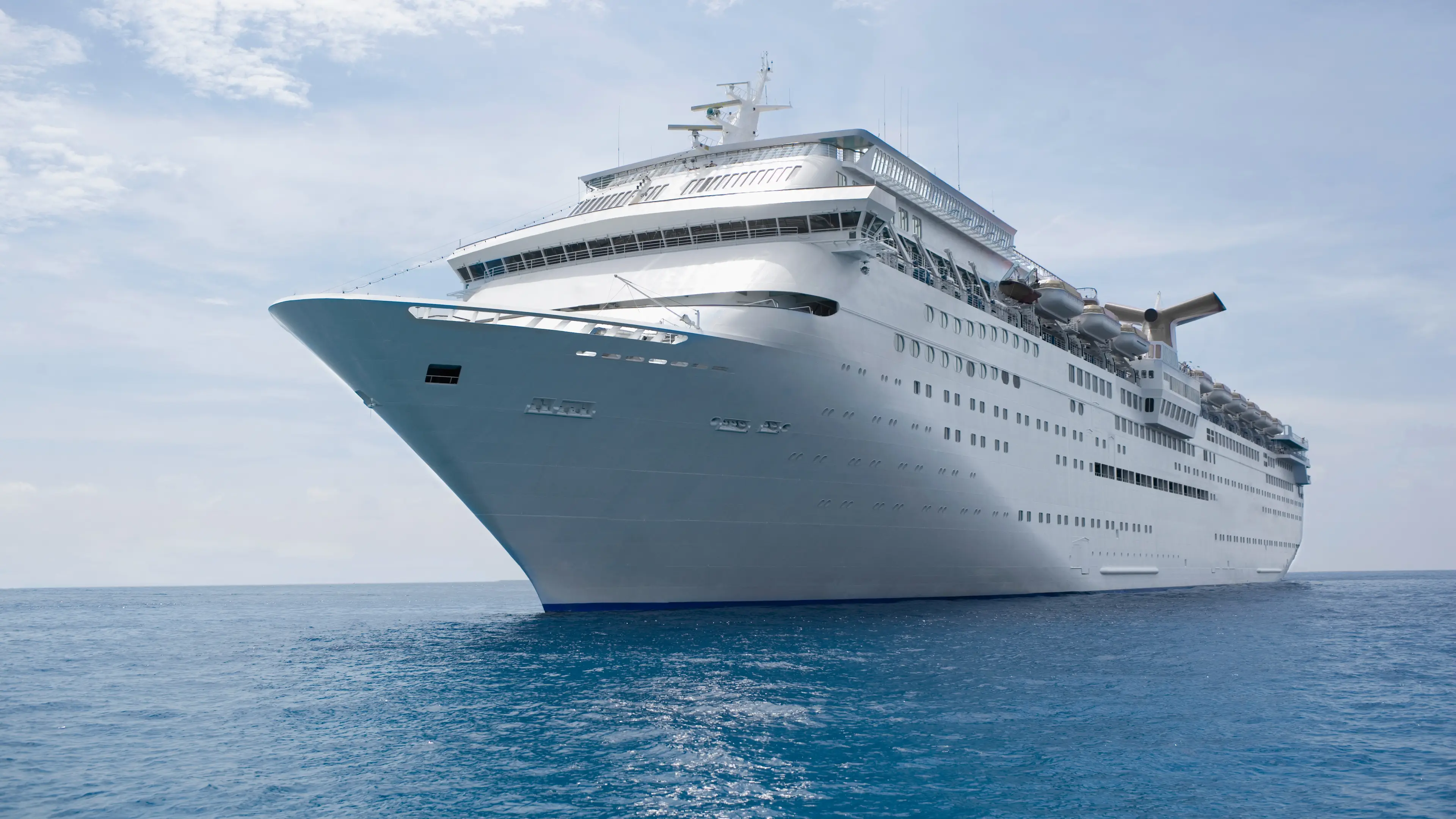
Strict protocol cruise ships must follow when someone dies on board

For many, cruises are seen as the ultimate indulgence, an all-inclusive, silver-service holiday designed for maximum pampering, convenience and nonstop entertainment.
The voyages are the perfect chance to forget all of your troubles in luxurious surroundings, bobbing along on the sea in what is effectively a floating theme park and five star hotel.
But what you don't expect when you're on a cruise, is to die.
But it does beg the question, what do you do if someone dies on a cruise, when the ship is miles away from any port, in the middle of the ocean? What happens to the body?
Advert
Well thanks to a wrongful death accusation against Royal Caribbean, we now know all the details.
The operator is battling a lawsuit from the family of Michael Virgil, who died on board their boat Navigator Of The Seas.
As per the Daily Mail, the wrongful death lawsuit alleges that staff on the ship served Michael an incredible 33 drinks in December 2024, which led to his death.
Incredibly after Michael was pronounced dead, the ship's crew is accused of ignoring pleas from Michael's fiancée, Connie Aguilar, to return to port at Long Beach, California.
The suit alleges that employees on the boat put the 35-year-old father, from California, into a refrigerator, before continuing on their voyage.
Royal Caribbean have been approached for comment.
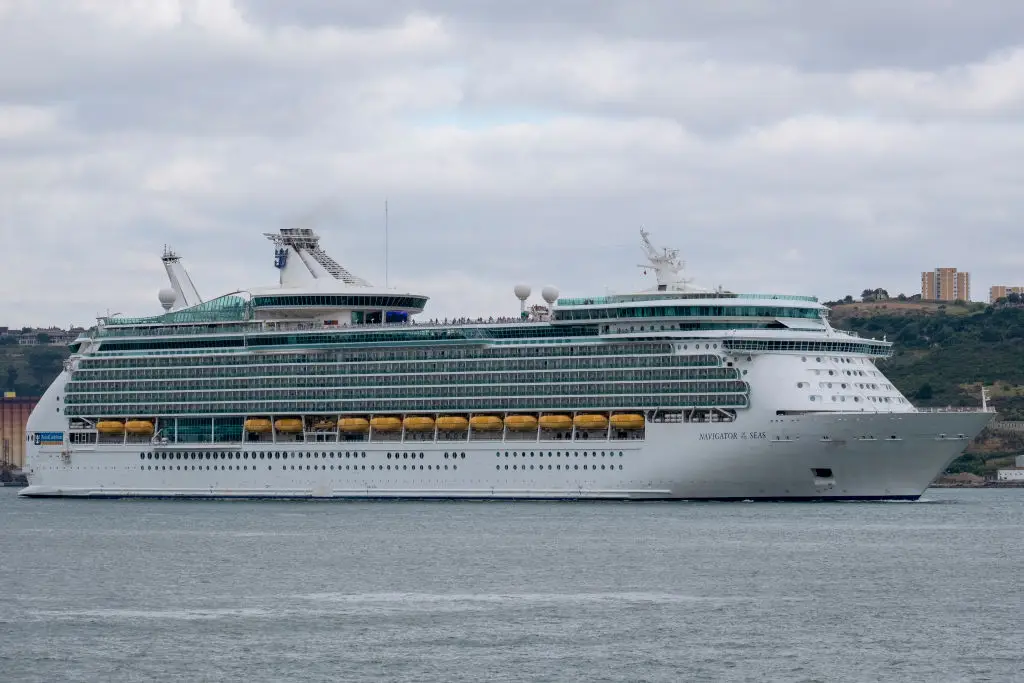
How do ships store the dead?
The Point Guys report that ships are equipped with hidden morgues should the worst happen while at sea.
They said: "Yes, there are morgues on most of the world's largest cruise ships. The larger the ship, the larger the morgue's capacity.
"Vessels are also required to carry body bags.
"Cruise morgues are stainless steel refrigerated rooms with shelves where bodies are stored, either until the end of the voyage or until they can be disembarked in a port of call and repatriated."
There are a few signs that also apparently mean someone has died on board.
If you hear the crew talking about 'Operation Bright Star', it signifies a medical emergency, but if you hear 'Operation Rising Star' it means a passenger has died.
A report from the International Journal of Travel Medicine and Global Health, which looks into deaths aboard cruise ships, recorded 623 deaths over a nine year period between 2000 and 2019.
Breaking this down 11 percent of deaths were crew, and 89 percent were passengers.
Do cruise ships have police and doctors?
By law, cruises should have at least one medical professional on board, and the facilities to treat any patients should an incident arrive. This includes an examination and intensive care room.
If someone dies, the doctor must inform the people they are traveling with and if they are alone, the next of kin.
The death will then be registered in the ship's log and the country where the ship is registered - this is because that country will have jurisdiction over what happens next.
Suspicious circumstances are looked into by security personnel on board then passed to local authorities at the next port of call.
Under the US Cruise Vessel Security and Safety Act, ships that land within US territories should report any suspicious activity to US law enforcement.

Be wary of the ice cream party
Cruise Ship performer Dara Tucker said anybody on a cruise should be very wary if staff throw an impromptu ice cream party, as this usually means someone has died.
She said: "If the crew suddenly makes a bunch of ice cream available to the passengers, it's often because more people have died on the ship than they have room for in the morgue.
"I was a singer on a cruise ship about 10 years ago, and I lived on a ship in the Mediterranean and the Caribbean for about six months.
"Thankfully, we didn't have to deal with this kind of stuff, but we were friends with some crew members who did, and they said maybe four to ten people die every cruise."
She said the high numbers were likely because of older people choosing cruise holidays.
Dara continued: "So four to ten people on a ship like ours that carried maybe 2,500 to 3,000 passengers on a typical cruise, four to 10 people would die.
"So the morgue, I believe they said, held about seven people.
"And if more than seven people died on that particular ship, they would have to start moving bodies to the freezer, which meant they needed to make room in the freezer.
"So they would have to take out a lot of the ice cream and other frozen goods in order to make room for the extra bodies."
Topics: Royal Caribbean, Travel
 Thomas Bamford