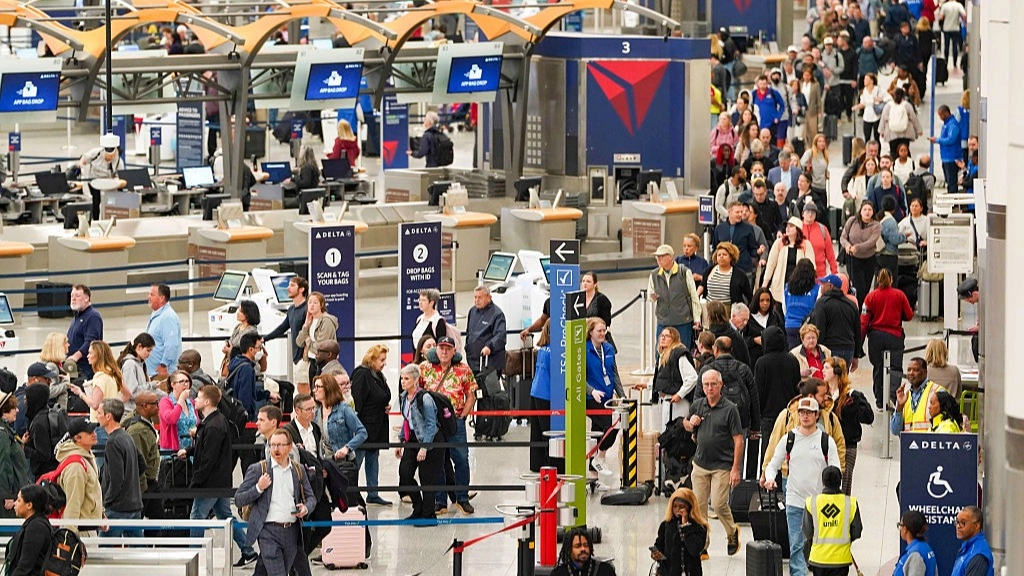
Expert explains best day and time to fly in US - and why UK travelers have made Thursday one of the worst

If you've ever sat on a delayed flight wondering where it all went wrong, the answer might come down to a single number on your boarding pass: the departure time.
According to travel expert Ferdinando D'Agostino, the window between 4pm and 8pm is the one to avoid at all costs if you want to land on time.
That's because delays have a habit of snowballing throughout the day.
A hiccup with an early morning flight barely registers, but by the time evening rolls around, those same small issues have piled up into major disruption, with knock-on effects hitting security lines and departure lounges just as hard as the runway itself.
Advert
"For any day of the week, the earlier the flight, the easier it will be," D'Agostino, from airport transfer company Transfeero, explained, adding that many travelers avoid the crack-of-dawn slots simply because they don't fancy waking up in the middle of the night.
That reluctance, though, could be costing them a smoother trip, since early flights 'have much less chance of being delayed by an issue with the flight before'.
It's not just the time of day that matters, either. The day you choose to fly can make or break your travel plans too.
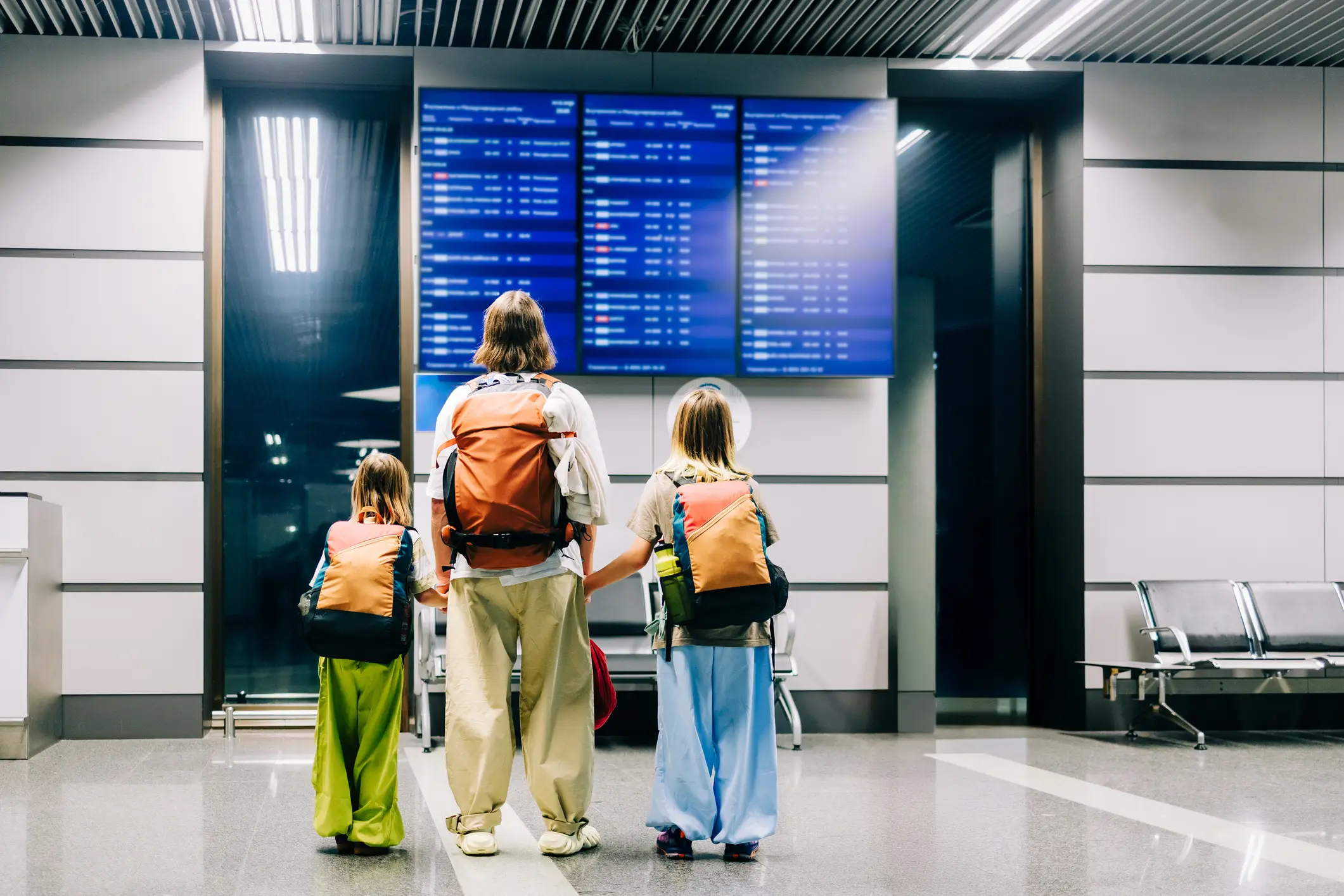
What is the busiest day to fly?
Speaking to UNILAD, D'Agostino explained that Monday mornings are 'often busy with business travelers, especially on routes between major cities like London to New York'.
"Airports are usually busiest before 9am, and tend to be quieter later in the day, when peak business flights have departed, and the airport is less full of tourists," he said.
With that in mind, D'Agostino noted that if you are going to fly on a Monday, the evening actually might be your best best - even with the risk of knock-on delays.
Unsurprisingly, Saturdays are also a busy travel day.
D'Agostino explained: "The morning is the busiest time to travel on a Saturday, with airports often being full of leisure passengers who have chosen early morning flights that are often the cheapest. This means that check-in desks and security can have long waiting times, but this eases in the afternoon. Much like Mondays, evenings are generally the best time to travel on a Saturday, to avoid the crowds of the morning."
However, Saturday isn't actually the busiest day of them all.
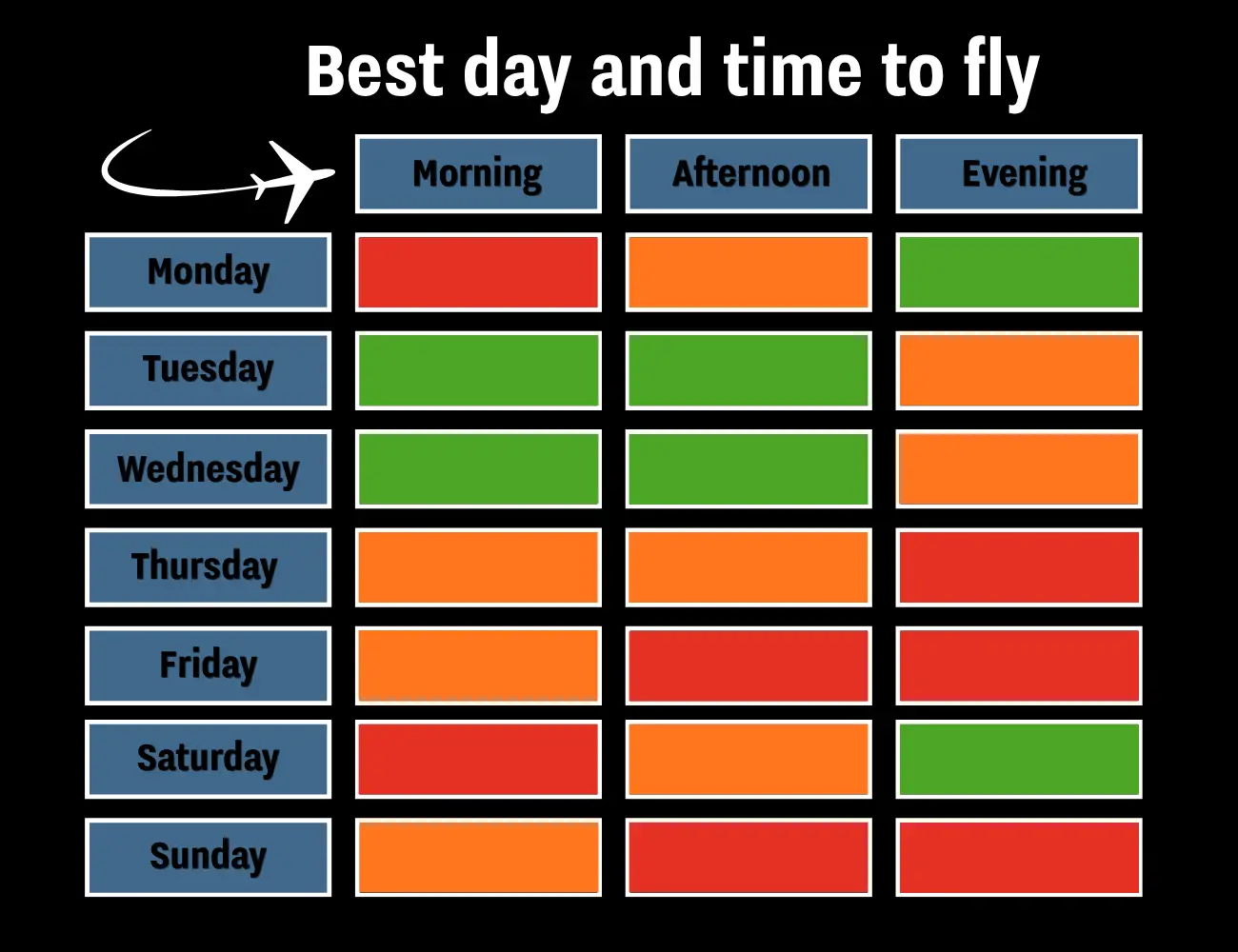
In Europe, Friday is the worst offender. Holidaymakers pile in for afternoon and evening departures to squeeze the most out of their trip without burning an extra vacation day, and that overlaps with business travelers flying home from meetings.
The result, D'Agostino said, is airports and security queues left 'under pressure for the whole weekend.'
Sundays aren't much better, with return travelers flooding airports in the afternoon and evening before heading back to work on Monday, something D'Agostino says is especially noticeable in popular city-break spots like Rome.
But the pattern shifts once you cross the Atlantic. In the US, Thursday joins Friday and Sunday as one of the busiest travel days, for both domestic and international routes.
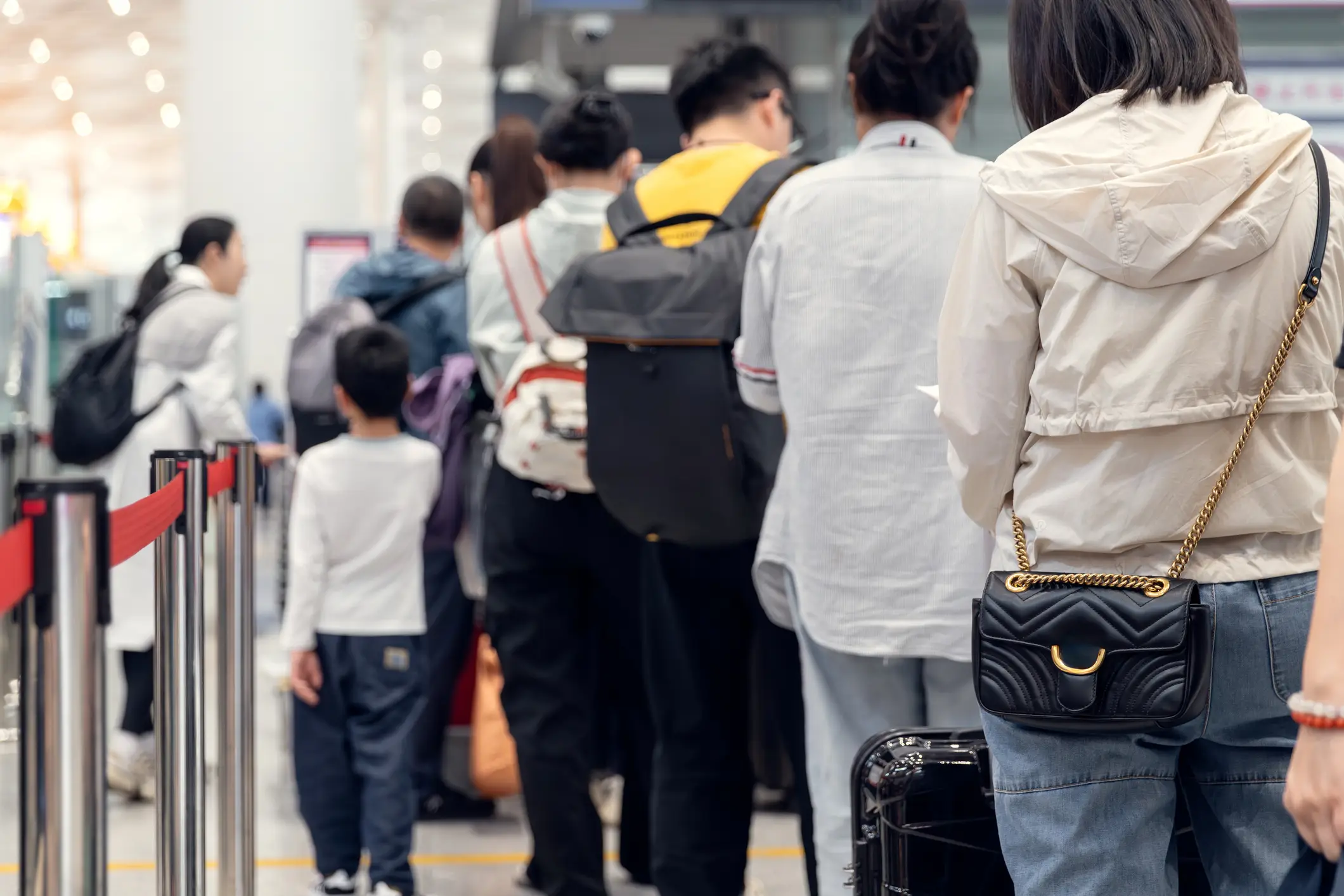
Why is Thursday such a busy travel day in the US?
A lot of it comes down to long weekends. UK travelers heading to cities like New York often book Thursday evening flights so they can touch down early Friday and get a head start on their trip, D'Agostino said. That habit has made Thursdays 'just as vulnerable to delays as weekends.'
So when is it actually quiet? If your schedule allows for some flexibility, Tuesday and Wednesday are your best bet.
Demand drops off noticeably midweek, meaning airports are less crowded and airlines have had time to recover from any chaos left over from the weekend rush.
Put it all together, and the golden rule for stress-free travel looks something like this: fly early, fly midweek, and steer clear of that dreaded late-afternoon window if you can help it.
 Thomas Bamford