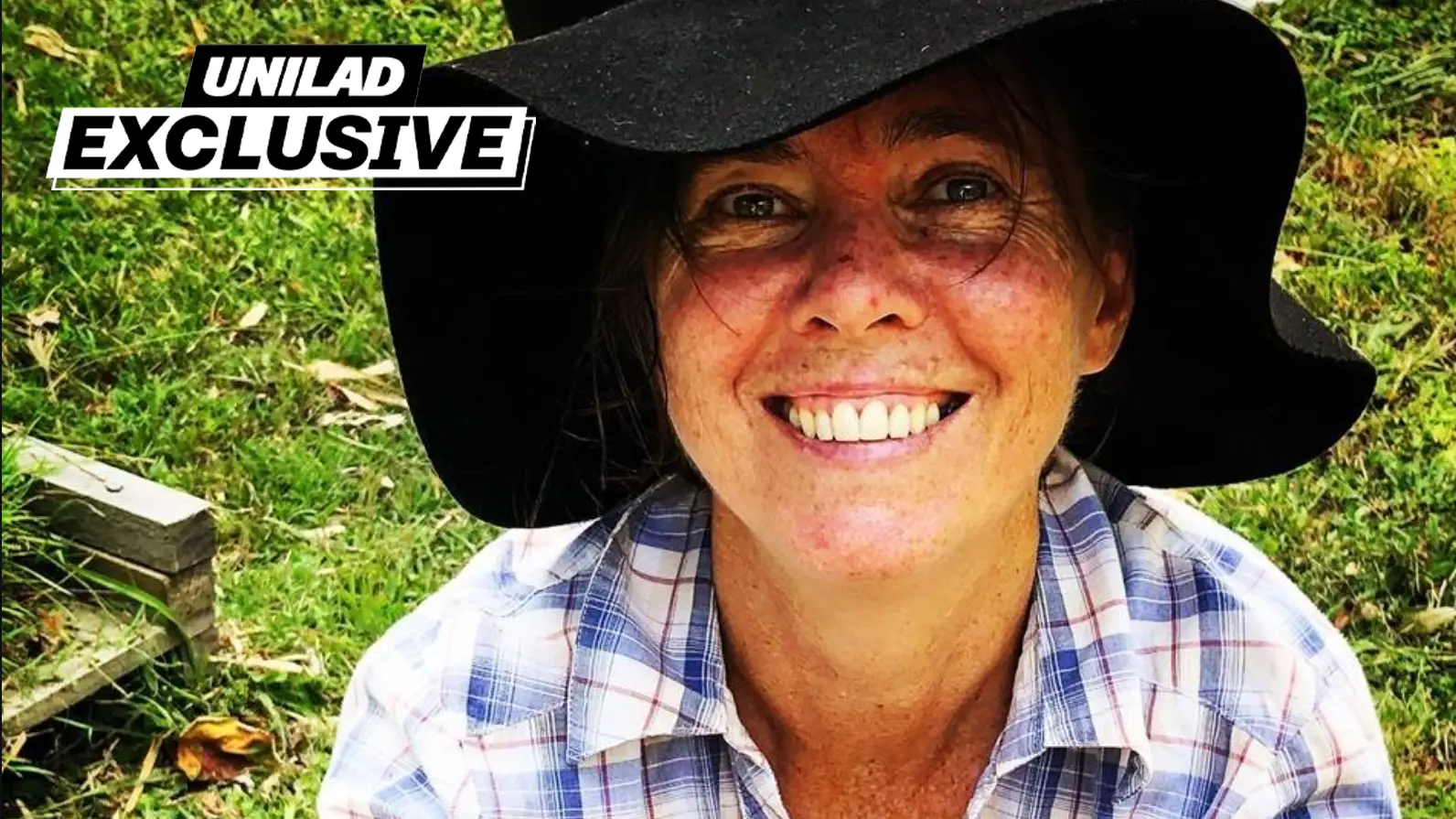
Woman who hasn't used money for 10 years explains why she feels more secure than people with jobs

For most people, the idea of going a decade without spending money might sound impossible.
But for Australian Jo Nemeth, giving up money has brought an unexpected reward: a sense of freedom, stronger relationships and a different understanding of what it means to be secure.
Nemeth stopped using money in 2015 after becoming increasingly troubled by the environmental damage and human suffering she believed were connected to the economic system.
Rather than continuing to earn and spend as normal, she decided to find another way to live.
Advert
Speaking to UNILAD, Nemeth explained that the biggest benefit has been being able to live according to her values, without the financial pressures she once experienced.
"It feels like a holiday," she said of life without money, adding it's 'an incredible sense of freedom.'
"I don't have the stresses that I used to have and that I see people around me having, and I really feel for people because I know what it's like."
But while escaping the pressure of bills is part of the appeal, Nemeth says the most meaningful change has been the ability to put her beliefs into practice.
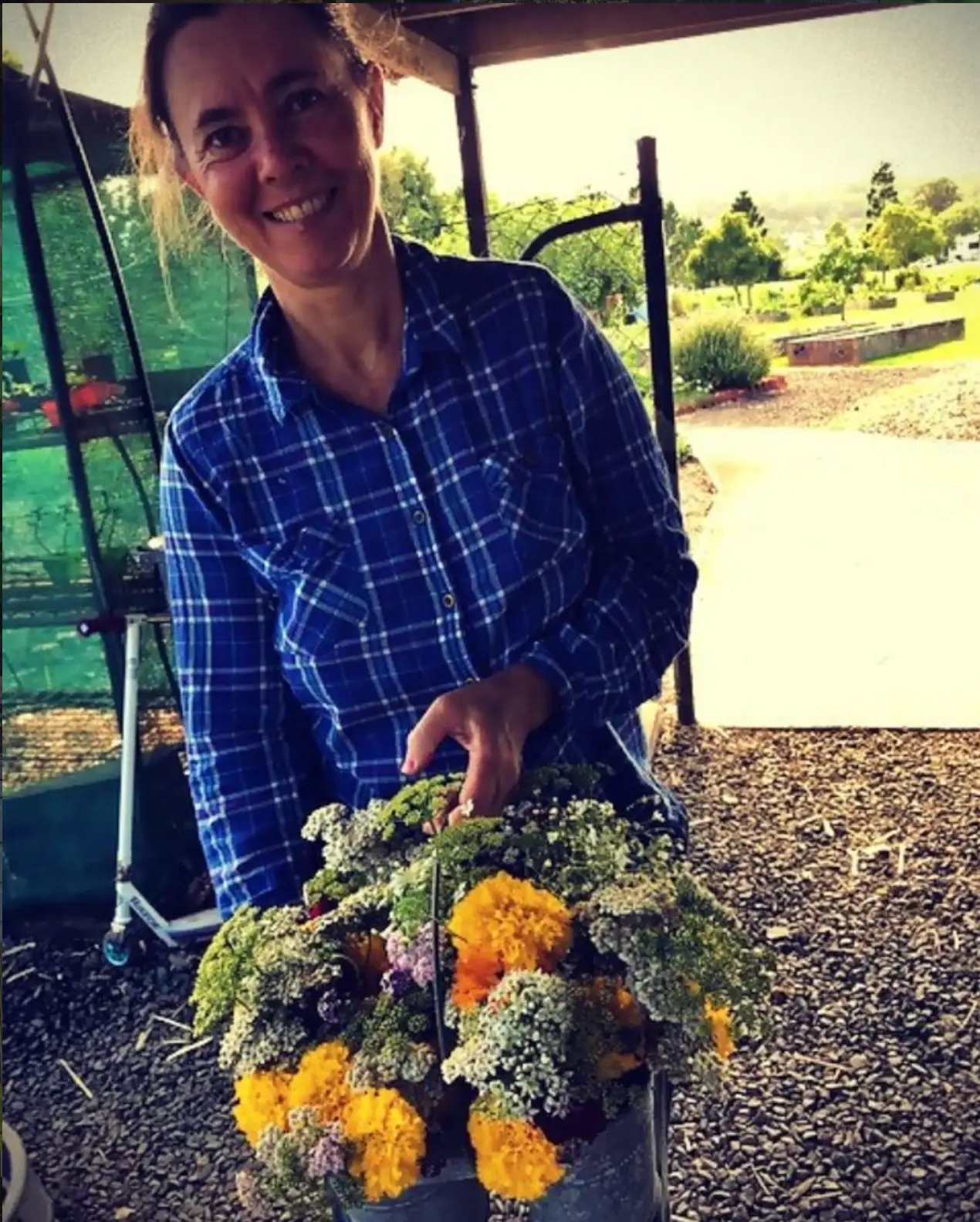
Why did Jo Nemeth decide to live without money?
Before making the change, Nemeth worked 20 hours a week as a community development worker at a neighborhood center in a small town in New South Wales. She enjoyed the job and the people she worked with, but she was still struggling to make ends meet.
"I was still just barely making ends meet, you know? It was stressful," she recalled.
At the same time, she was researching the environmental and social consequences of consumerism, becoming increasingly uncomfortable with the impact of ordinary purchases.
"I had been building up where I was, just feeling really frustrated and sad about the state of the planet," she said. "I was doing all this research and realizing that every time I went to the supermarket or the shops to spend my money, I was hurting someone somewhere.
"Or hurting an ecosystem, because of the way that our economic system works."
Nemeth said the more she learned, the more difficult it became to reconcile her beliefs with her everyday actions.
"The more research I did, the more sad and frustrated and guilty I felt. I had all these quite heavy feelings, and I was feeling really stuck, and I didn't know how I could change that."
The idea that changed everything came while she was reading a book that mentioned someone who had chosen to live without money.
"As soon as I read that, it was like, I don't know, it was an amazing moment, and that was when I decided that that's what I had to do," Nemeth said.
"Because it just gave me an out. Immediately, it was like, 'Oh, that's my answer. I can do that.'"
She began reading books by Mark Boyle, an Irishman known for living without money, to work out how she could make the change practical. Her biggest initial concern was finding enough food and somewhere to live.
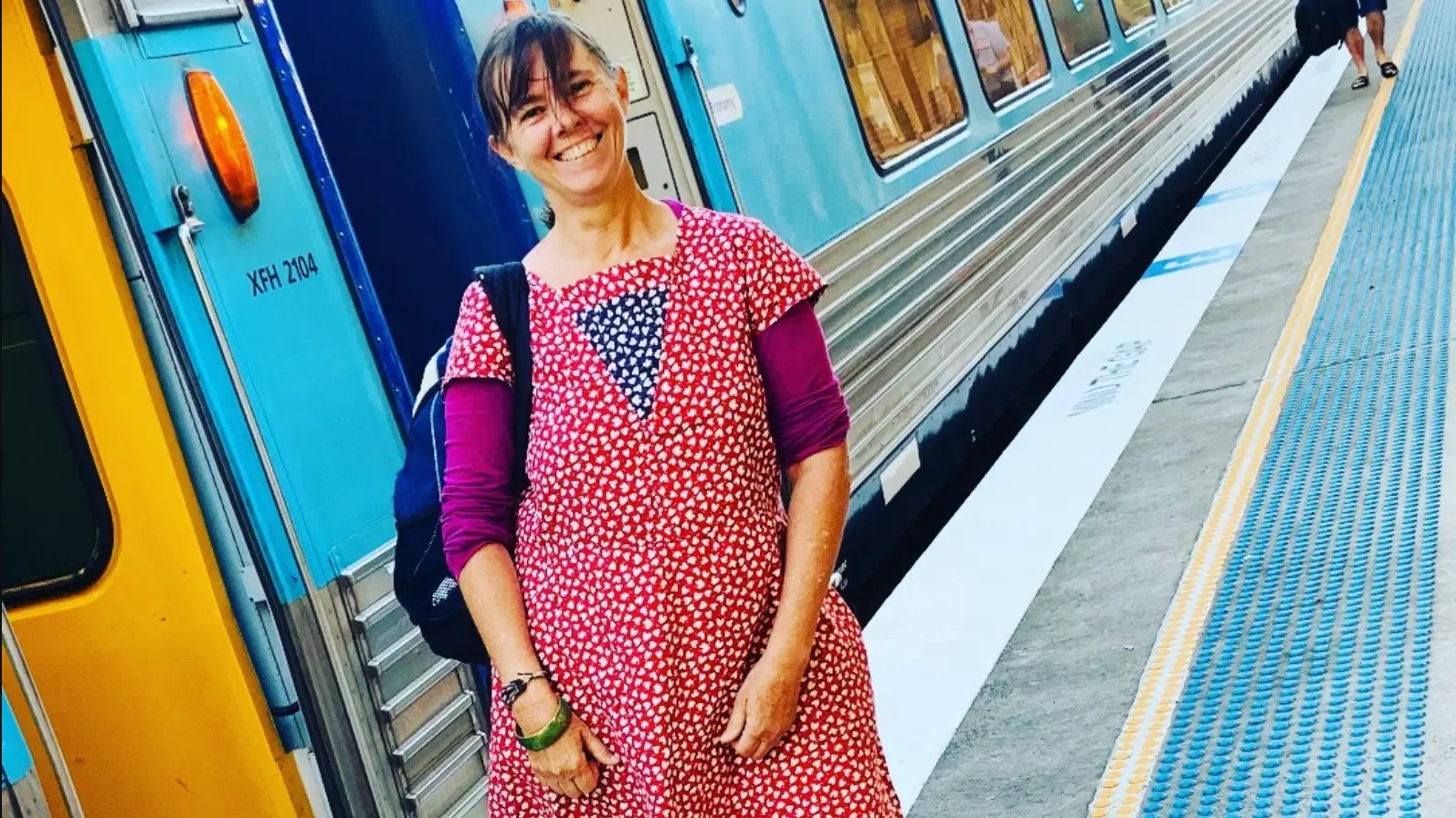
How does Jo Nemeth get food and housing without money?
Nemeth's first move was to a friend's farm, where she could contribute her time and gardening skills in exchange for somewhere to stay. She began working in the garden before moving there, making the transition easier.
Today, she lives at the home of her longtime friend Sharon, where she helps with gardening and outdoor work in return for accommodation.
She also volunteers at a community garden, grows food, cooks and ferments produce, and makes use of food that would otherwise be wasted.
Her arrangement is not about producing everything herself or avoiding every item bought with money. The household shares groceries, and Nemeth acknowledges that she also eats food purchased by the people she lives with.
"I contribute to the household food through growing some, through the community garden, where I get food from, and through waste food," she explained.
"People know me as this person who will take your waste food, so if they have waste food, they'll donate it to me."
Nemeth describes her role in the household as a kind of domestic management, saying she does plenty of everyday tasks she enjoys. She also grows food suited to the subtropical climate, including cassava, and is experimenting with crops that could help her local community become less dependent on imported supplies.
Her interest in food resilience became more urgent after major flooding hit the Lismore area in 2022 and disrupted local supermarkets.
"I got a sense of what collapse can look like, what happens when systems fall apart," she said.
Rather than aiming for complete self-sufficiency, Nemeth believes communities need to grow different foods and share what they produce.
"I'm not about self-sufficiency," she explained. "We can't grow everything we need on our little quarter-acre block here in the town. But there's more of a whole working together, growing up for our needs."
She added: "Resilience is not self-sufficient; it's community-sufficient. So that's a really important differentiation."
The unexpected benefit of living without money
Although Nemeth says she enjoys the freedom of her lifestyle, she is clear that it depends heavily on the people around her. She has built a network in which she gives her time and skills and receives help from others when she needs it.
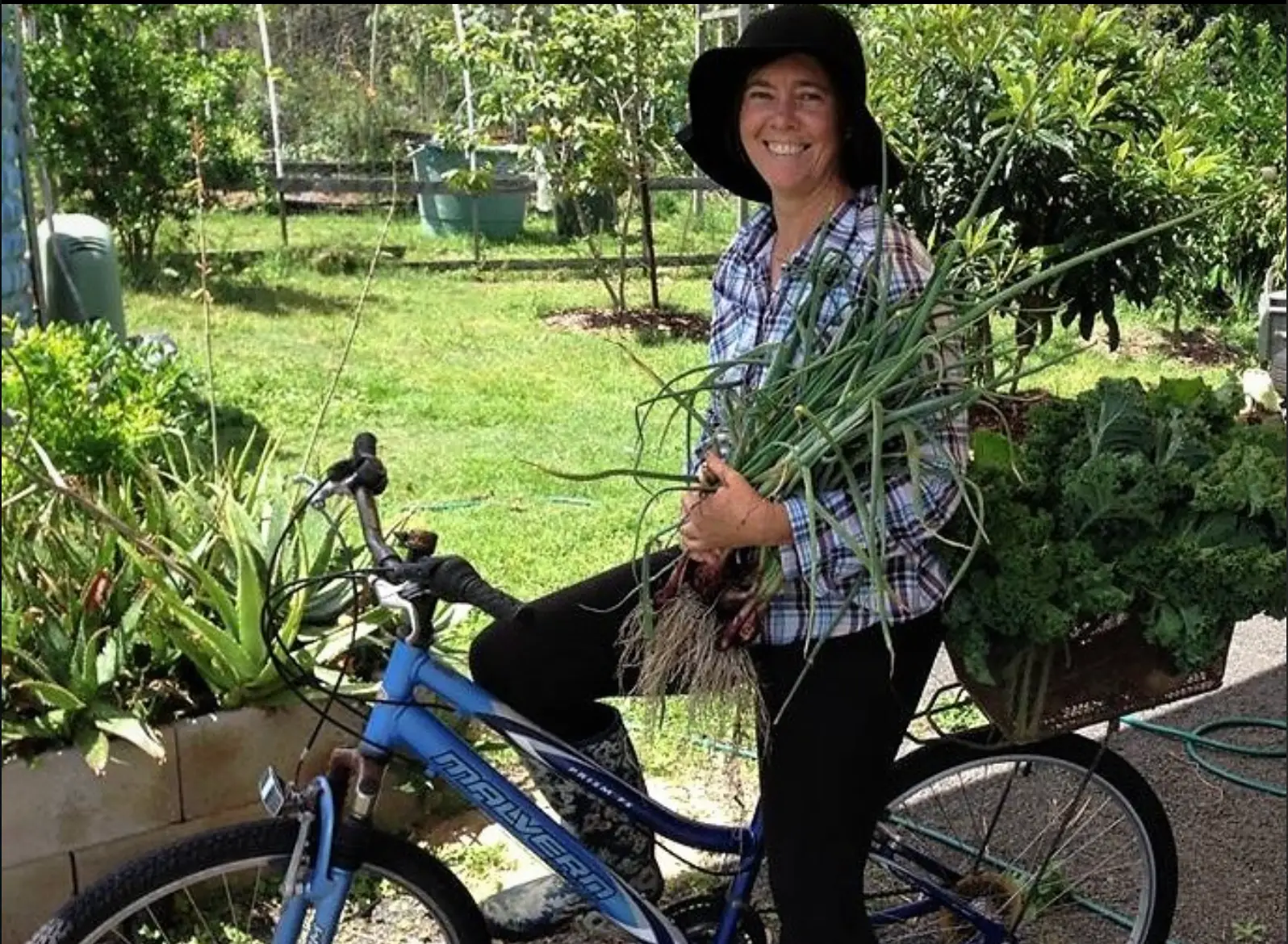
She has even had to accept gifts that cost money, including help with bike repairs, so she can continue cycling to the community garden.
"I'm kind of held in this social network, where I'm benefiting from the gifts that other people will give me, but I also gift my time and energy and skills," she said. "So to build up the [relationship], it's a really nice way to live."
For Nemeth, that mutual support has challenged the idea that people are fundamentally selfish or that independence means never relying on anyone else.
"People are generally helpful and generous and caring," she said. "You know, that's who we are, I think, as human beings. And I love that."
She believes society places too much value on money and individual independence, when people inevitably rely on others whether they acknowledge it or not.
"I think success can depend on relationships that we nurture," Nemeth explained. "The more relationships, the more secure relationships you have that hold you, the more successful you are as a human being."
She added that these relationships can make people "safe and secure in ways that money you can't pay."
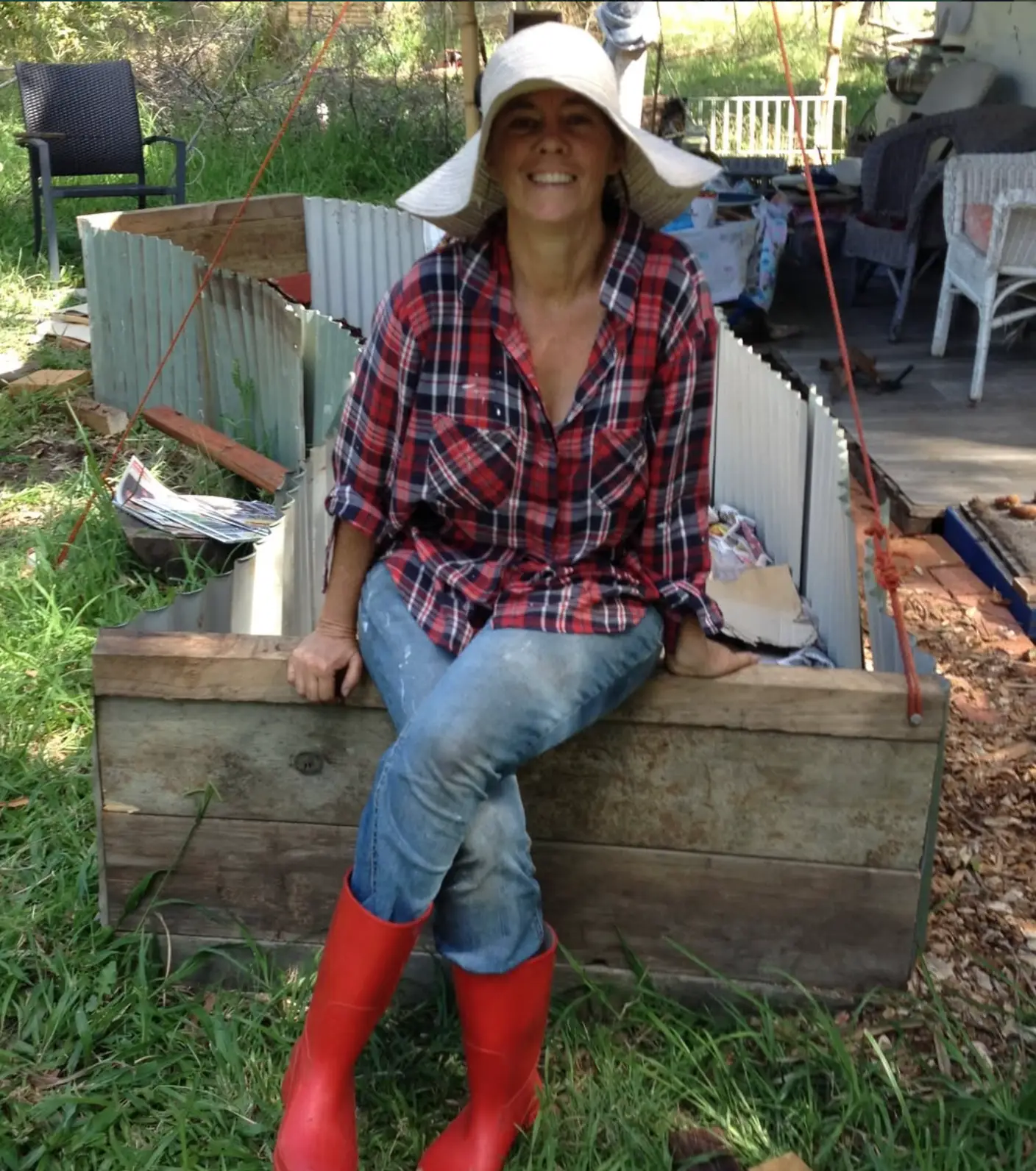
Nemeth does not suggest that everyone should give up money. She recognizes that her lifestyle would be much harder without strong social connections, and says it depends on a person's circumstances and personality.
For her, however, returning to a conventional money-based life is not something she wants to do.
"I don't want to go back to living with money, which I might have to at some point," she said.
After a decade of living differently, Nemeth's idea of wealth is not about what she owns or how much she earns. It is about the people she can depend on, the help she can offer in return, and the ability to live in a way that reflects what matters to her.
As she put it: "The other thing, the most important thing about this, though, is that my actions and my values are aligned."
Topics: Community, Environment
 Thomas Bamford