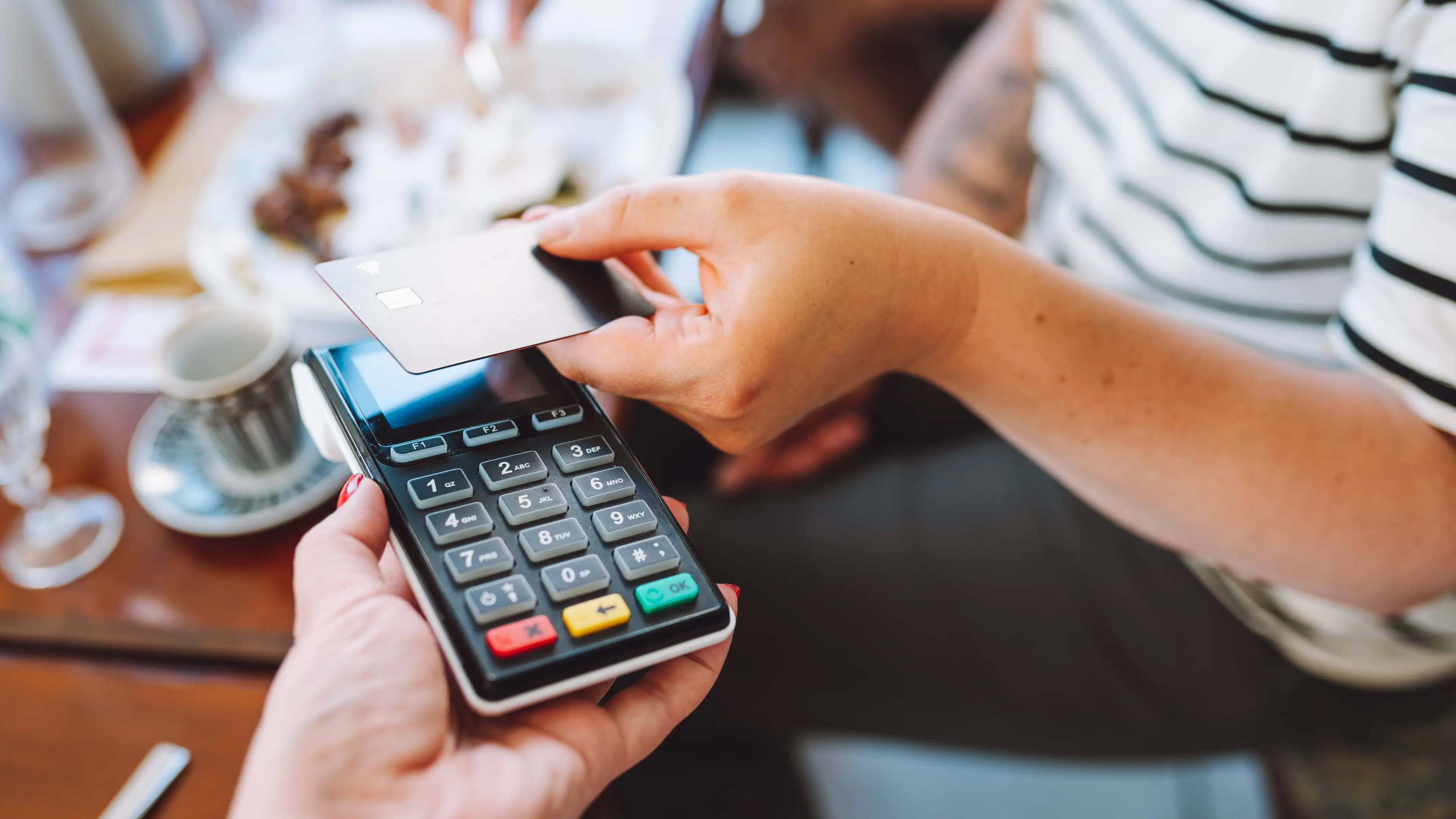
'Ghost tapping' fraud explained and how to protect yourself from scammers

There's a concerning amount of ways you can be scammed out of your hard-earned cash, and 'ghost tapping' is one of the latest trends you should be wary of.
As you'll know, most people rarely carry cash these days (until your great aunt Sarah sends you 10 bucks for your birthday again, that is). As a result, cash payments make up just 16 percent of all payments in 2023, Primer found.
Nowadays people often pay with debit or credit cards – whether that's by using a physical card or a digital version that's on your cellphone.
In fact, digital wallets made up more that 50 percent of consumers' source of payment, Forbes found as part of its 2023 Advisory Poll.
Advert
As this type of payment has become more popular, so has fraudulent schemes targeting devices and cards that use Near Field Communication (NFC) payments – one being 'ghost tapping'.
What is ghost tapping?
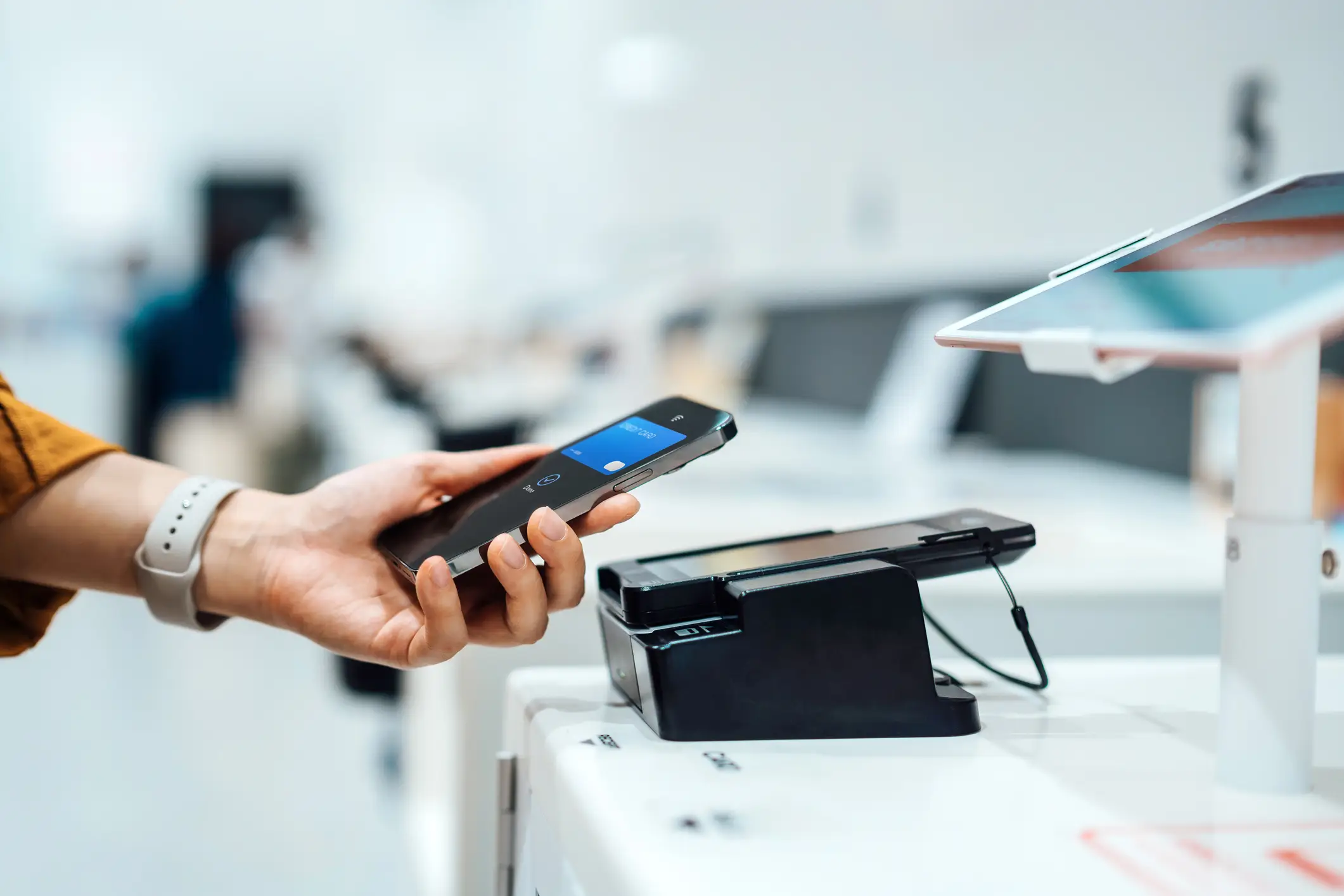
This fraud method targets types of NFC payments thats commonly found on cards and digital wallets.
Criminals will abuse NFC technology by standing near to somebody in a public place while holding a payment terminal and will wirelessly steal money from someone using their contactless payment device without a person's consent.
Other ways someone might steal money from you, according to the the Better Business Bureau (BBB) are:
- Pretending to be a vendor: At events, flea markets, or festivals, fraudsters might set up fake stands and ask for tap payments
- Charity scams: They might request a small donation but actually charge your card for a much larger amount
- Rushing the process: Scammers count on you tapping without checking the business name or transaction amount
Some warning signs that you may have been a victim of this type of fraud are if you receive a notification from you bank about a small or unusual 'test' charge, if someone requests you to tap your device on a payment portal that is not showing you the total you're being charged, or if they refuse to offer you a receipt, or if you've been in a crowded place and suddenly notice suspicious charges on your account.
Example of it happening to people
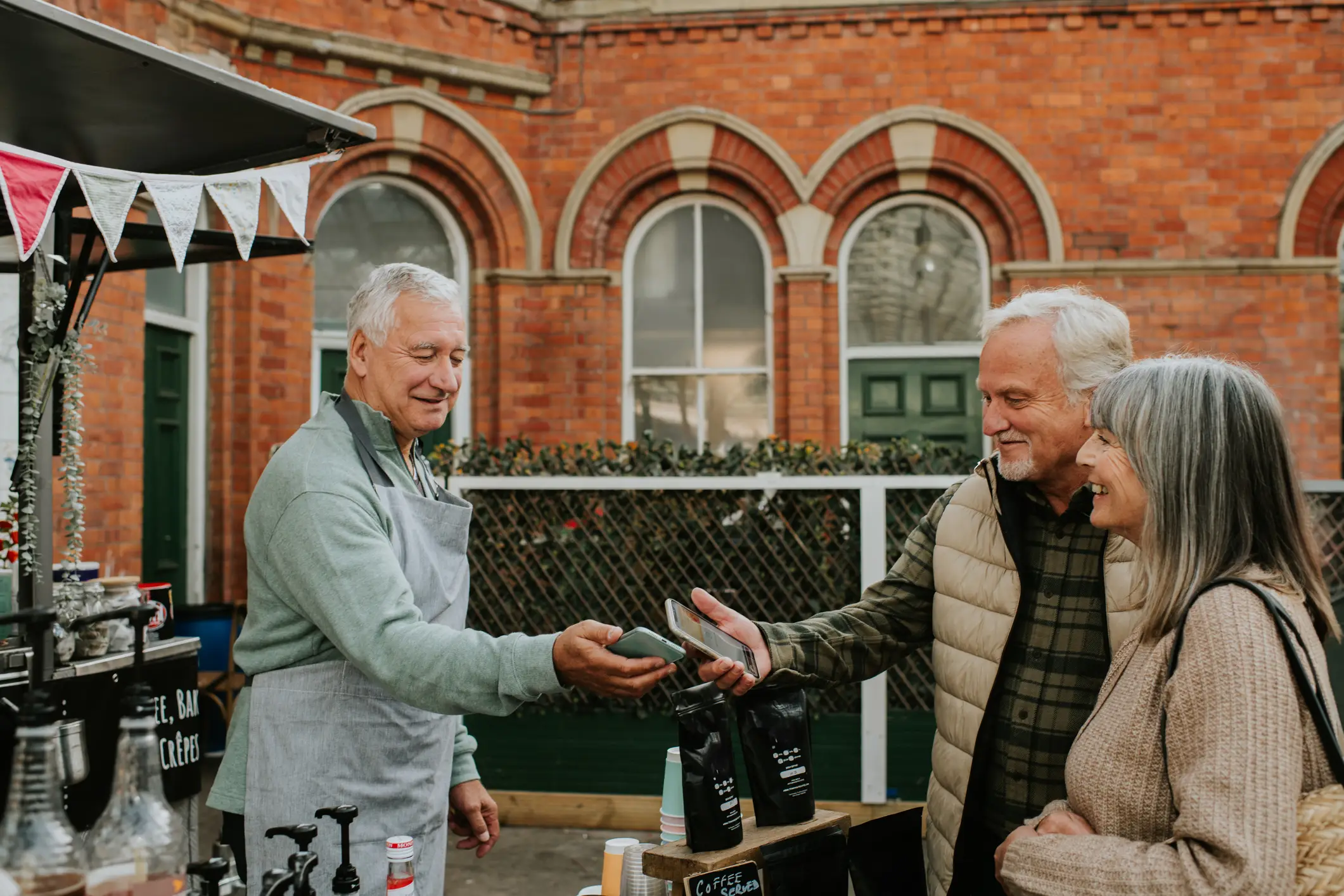
One person who reported an instance of it happening on the BBB Scam Tracker explained that someone had knocked on their door claiming to be selling chocolate to raise funds for a special needs school.
The guy said he could only accept tap-to-pay, and would then charge large amounts without the cardholder being able to see the amount. This particular scammer apparently charged one woman $537 and another person $1,100.
"He changes neighborhoods frequently to avoid getting caught," the person who wrote the report added.
If you think you've been a victim of ghost tapping, the BBB says to report it to your bank issue right away, freeze or cancel the impacted card, and to report the incident via the BBB Scam Tracker.
How to protect yourself
The BBB urges people to set up transaction alerts, to always confirm payment details, and limit using tap-to-pay in high risk areas.
Other things you can do include checking your account on a daily basis and use an RFID-blocking wallet or sleeve that can help stop wireless skimming.
Topics: Money, News, Technology
 Niamh Shackleton