Some online shoppers can now get refunds on last year’s surprise tariff charges — here’s how

If you’ve bought anything online from overseas over the past year, you might have been hit with a massive, unexpected bill from your courier before your package could be delivered.
Social media feeds have been filled with viral posts of shoppers expressing outrage over sudden, exorbitant import duties tacked onto everything from fast fashion to electronics.
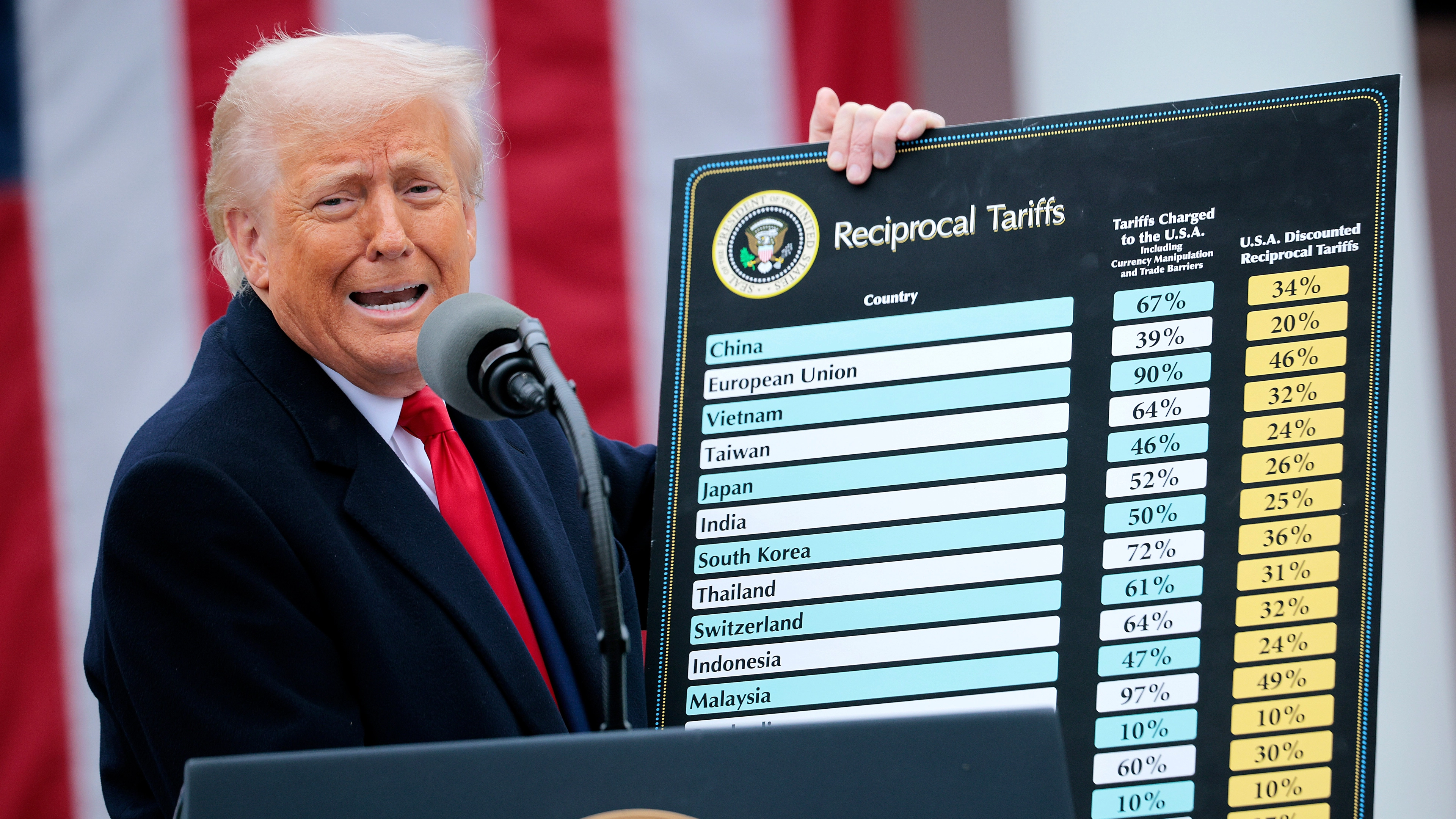
Now, thanks to a Supreme Court ruling that invalidated specific tariffs imposed under the International Emergency Economic Powers Act (IEEPA), millions of dollars in refunds are being unlocked by U.S. Customs and Border Protection (CBP).
However, there's a catch - individuals can't claim back from the government themselves, but this doesn't mean they can't access refunds via the delivery company that got their package to their door.
Advert
Because of how customs law works, individual consumers cannot file a claim directly with U.S. Customs.
Only the Importer of Record (IOR)—the legal entity listed on customs documentation when the package entered the country—can request money back from CBP.
However, for the vast majority of everyday online purchases delivered by couriers like UPS, the carrier itself acted as your Importer of Record.
That means major logistics companies are claiming the funds on customers' behalf and passing the money back down to shoppers who originally paid the fee.

How the UPS refund process works
UPS has confirmed it is actively submitting refund requests to CBP for qualifying shipments. The refund rollout is being handled across three official phases:
- Phase One (Active Now): Covers eligible tariff payments made on or after January 30, 2026, as well as certain pending tariff payments. For Phase One shipments where UPS was the Importer of Record, customers do not need to take action. UPS will automatically apply approved refunds to any open account balances, with remaining cash disbursed 60 to 90 days after UPS receives the funds from CBP.
- Phase Two (Active Now): Covers shipments flagged for "reconciliation". Because UPS is not the IOR for these specific shipments, customers in this group must file claims directly with CBP via the ACE Portal.
- Phase Three (Rolling Out Late Summer): Will cover fully "liquidated" entries (older entries that were previously finalized and closed by Customs).
How the Fedex refund process works
For couriers like FedEx—which handled over 20 million IEEPA tariff-subject entries totaling $800 million as the Importer of Record—the refund process operates in a slightly different way.
The company uses a dedicated customer portal designed to match historical shipments against U.S. Customs payouts.
Customers can log into the FedEx IEEPA Tariff Refund Portal to enter tracking or entry numbers and check whether government funds (including accrued interest) have been received.
To accelerate disbursements, FedEx gives users the option to opt in to sharing limited shipment data with vendor partners for faster processing, prioritizing those accounts for direct payouts, while non-consenting users receive their refunds on a longer timeline via manual internal reconciliation.
How to check if your delivery qualifies
If you paid a surprise tariff fee on an international shipment and want to see where your money stands, you can check your eligibility directly online:
- Use Carrier Lookup Tools: Log into your UPS or FedEx account online to access their dedicated IEEPA Tariff Refund Portal.
- Search by Tracking Number: Input your package tracking number or delivery address to see if your shipment is flagged as eligible for a refund under Phase One, Two, or Three.
- Check Your Invoices: If your carrier served as the Importer of Record, your refund (plus applicable government interest) will be paid out automatically once CBP processes the claim.
Note: Only tariffs levied specifically under the invalidated IEEPA rules are eligible for refunds. Standard shipping fees, brokerage handling charges, and other statutory tariffs (like Section 232 or 301 duties) are not included.
 Phoebe Tonks