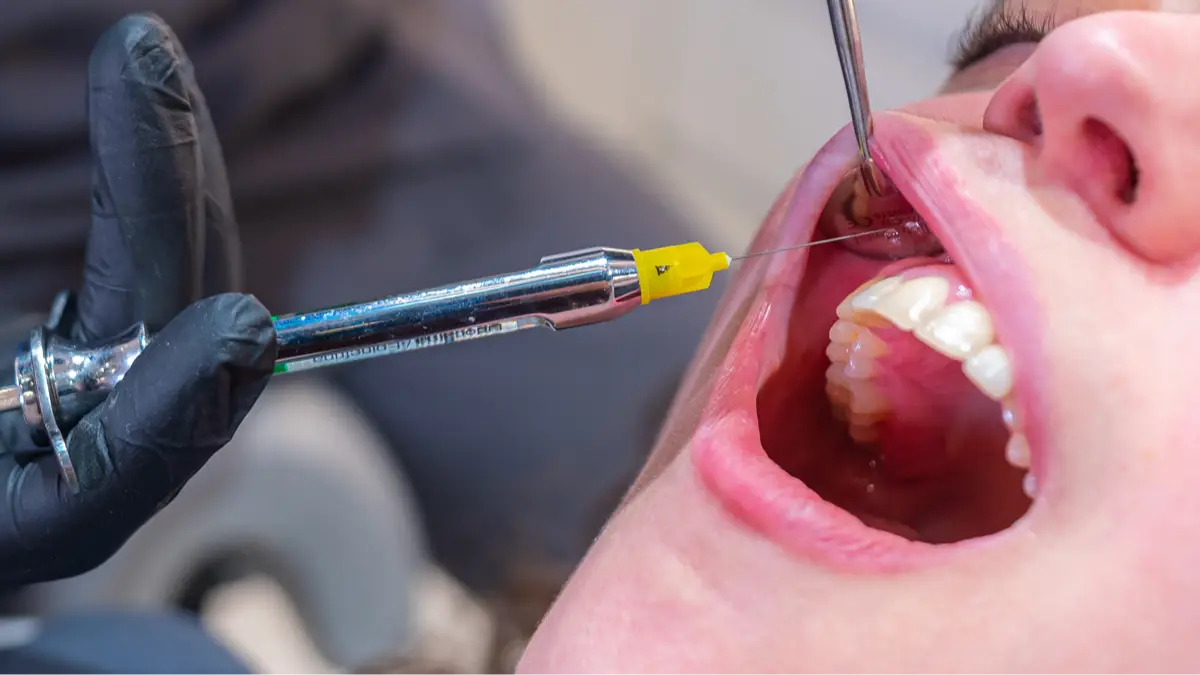
Wisdom teeth are known for causing misery, but there's a clever reason behind their name

Wisdom teeth bring a whole lot of pain and costly dentistry bills opposed to enlightening us with any knowledge, so why were they named as such?
Ah yes, those pesky wisdom teeth, which you'd have thought by now someone would've had enough wisdom to come up with a way to prevent them coming through altogether or at least come through without causing such potential agony and irritation.
Alas, the wisdom tooth keeps sprouting in the unsuspecting mouth, some getting off lucky barely realising the tooth - or teeth's - arrival, versus others who end up curled up on the sofa clutching a bag of peas to the side of their cheek in pain.
So, without trying to sound like the sort of chat you could find yourself having at an afterparty at 4am in the morning as the birds have started to cheep, why on earth is a wisdom tooth called a 'wisdom' tooth when it brings no wisdom of the sort but more often than not, pain and an overly cramped mouth?
Advert

Well, Thorncrest Dental explains the term 'wisdom teeth' is believed to have originated in ancient Greece from the phrase 'odontias sophias' meaning teeth of wisdom.
"[This phrase] reflects the notion that these molars usually emerge during late adolescence or early adulthood – an age often associated with maturity and wisdom," it explains.
In traditional Chinese medicine, the arrival of wisdom teeth is often considered as symbolising the transition into adulthood, personal growth and increased responsibility. Native American folklore echoes much of the same.
For those who didn't make the smart career move to go into dentistry and end up with a solidly paid job for the rest of their life... Let's get you up to speed with what these pesky teeth actually are, when you can expect to potentially get them and what may happen when you do.
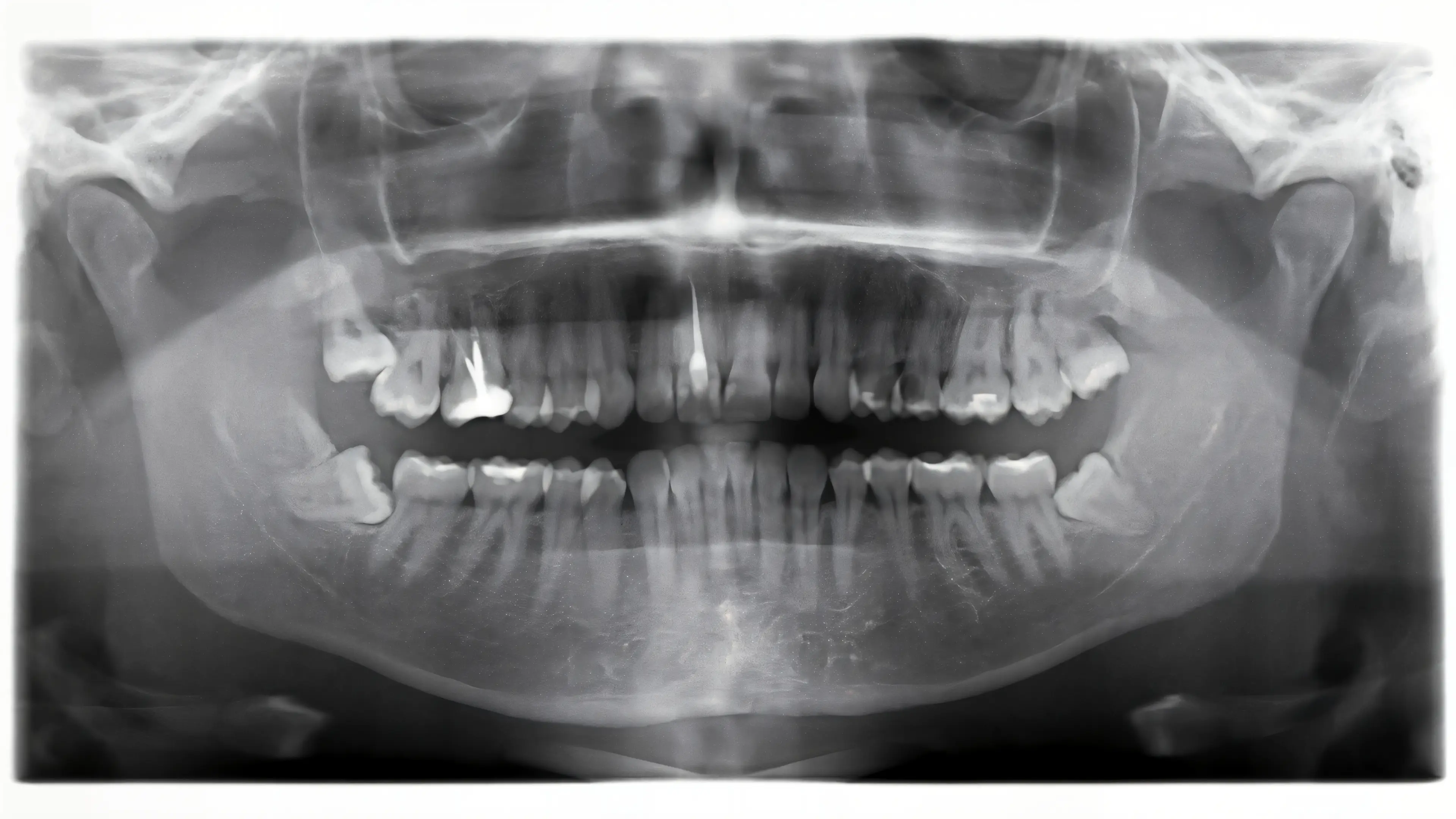
Wisdom teeth are also known as third molars. They don't rear their crowns when your other teeth or molars do, instead typically coming into existence - should they at all - when you're aged around 17 to 25.
But why did we end up with wisdom teeth in the first place if not everyone has wisdom teeth anymore?
Thorncrest Dental explains in prehistoric times, humans had larger jaws and our diet of tougher and uncooked foods such as raw meats, nuts and leaves required better chewing power - enter, the wisdom tooth.
However, as we've evolved and swapped raw meat and roots for smashed avo and poached eggs on toast, our jaw size has reduced and the need for our wisdom teeth has lessened. Cue, many people's not coming through at all.
Alas, some people's wisdom teeth have remained stubborn, pushing through even so and if wisdom tooth fails to emerge correctly, this can cause a plethora of dental issues such as cysts, gum disease and damage to other teeth, sometimes prompting the removal of the teeth completely.
May the odds be ever in your favour.
Topics: Health
 Poppy Bilderbeck