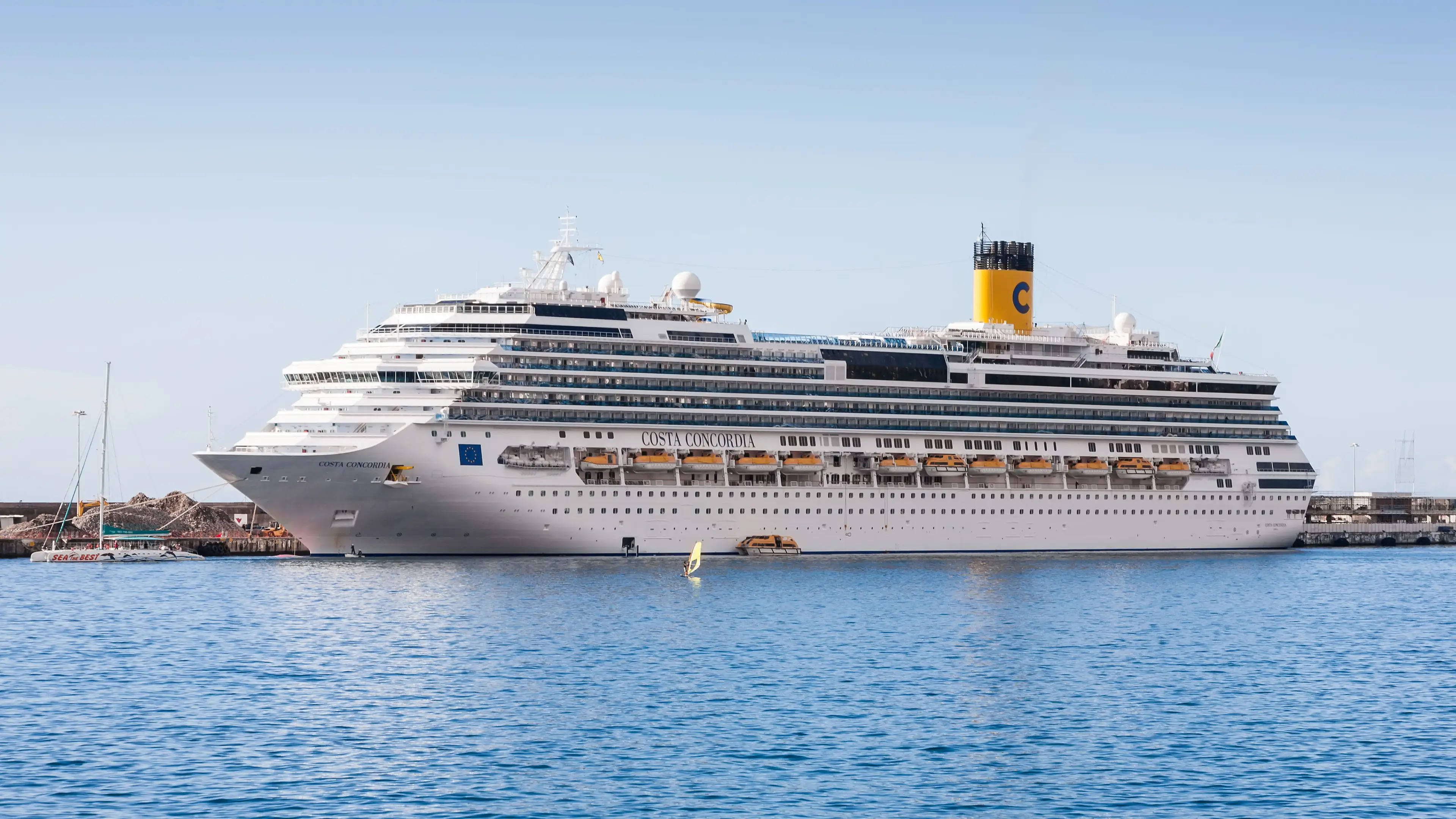
Horrifying details of cruise ship disaster that killed 32 told in new ‘nightmare’ Netflix documentary

It was meant to be a routine salute past a small Italian island, a manoeuvre the crew had carried out a hundred times before.
Instead, it became one of the deadliest disasters in modern shipping history.
The Costa Concordia left the port of Civitavecchia at 19:18 local time on 13 January 2012, setting off on a week-long Mediterranean cruise with 3,206 passengers and 1,023 crew on board.
As the ship made its way along the Italian coastline, Captain Francesco Schettino ordered it steered close to the island of Giglio.
Advert
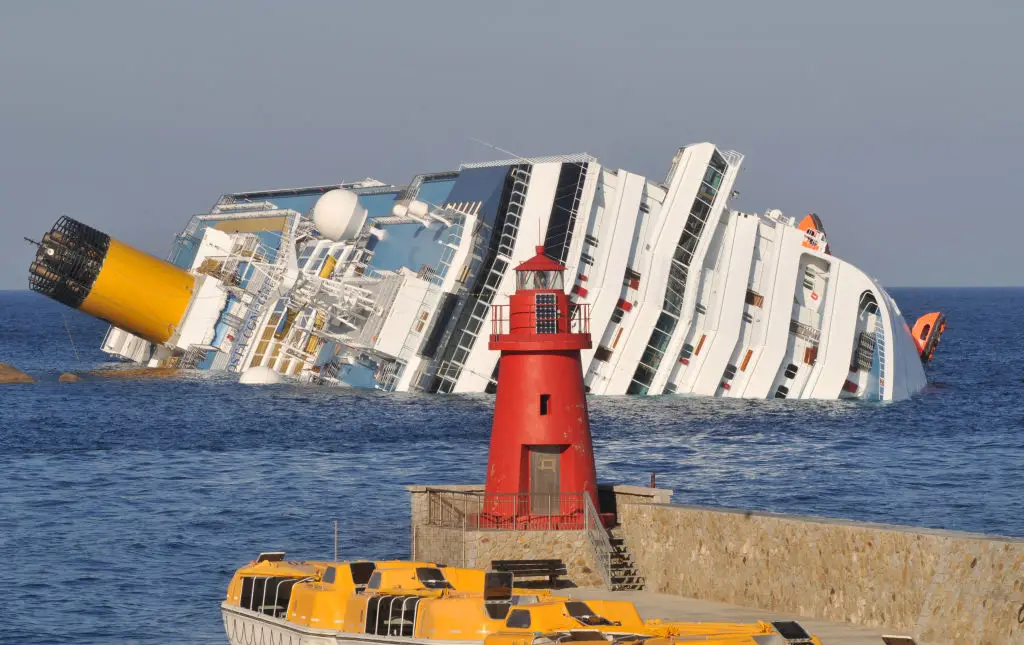
What happened to the Costa Concordia?
According to a detailed timeline published by Italy's Ministry of Infrastructure and Transport in its official report into the accident, the captain gave the helmsmen coordinates just after 21:30, followed by a warning 'otherwise we go on the rocks'.
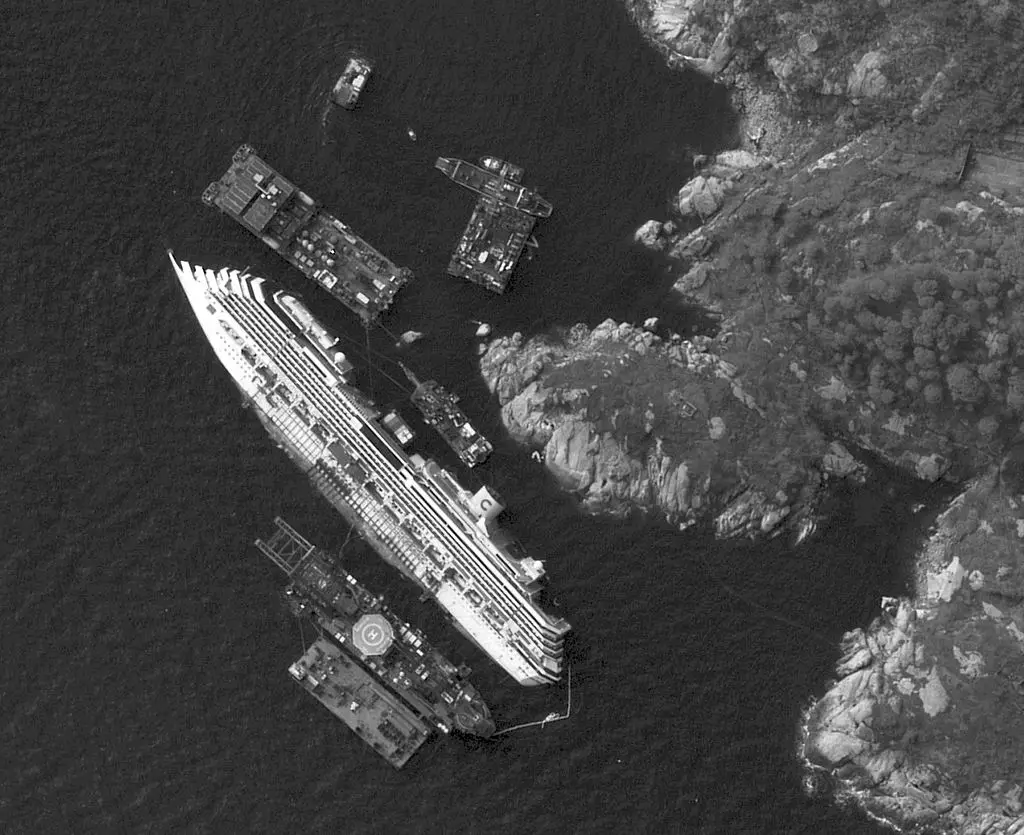
Minutes later, at 21:45, the Costa Concordia struck a rocky outcrop while traveling at around 16 knots. The damage was tremendous, as the rocks tore a 53-meter gash in its hull.
Now, more than 14 years later, the disaster is subect of a brand new Netflix documentary, titled Shipwreck: Nightmare at Sea. The film is set to premiere on July 10, featuring survivor accounts and previously unseen footage from the tragedy that claimed 32 lives, including five crew members.
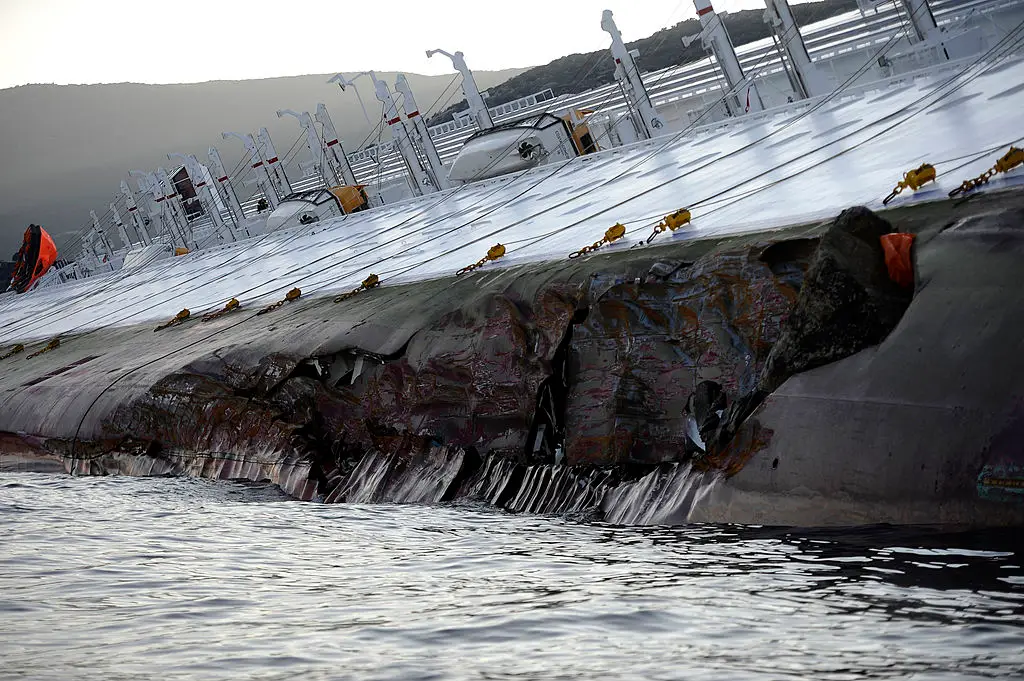
Per the ministry's report, the ship began taking on water and tilting almost immediately after the collision, with engine rooms flooding and power lost across the vessel.
Confusion followed, with the crew relaying incomplete information to Italian authorities and passengers initially told the ship was suffering a 'blackout' that was 'under control'.
Positioning data cited in the reports shows the Concordia then drifted back towards Giglio's port before listing in the opposite direction, an effect investigators believe was caused by water in the damaged hull rushing to the far side of the ship as it turned.
The general emergency alarm wasn't raised until 22:33, and the order to abandon ship didn't come until 22:54, more than an hour after the initial impact.
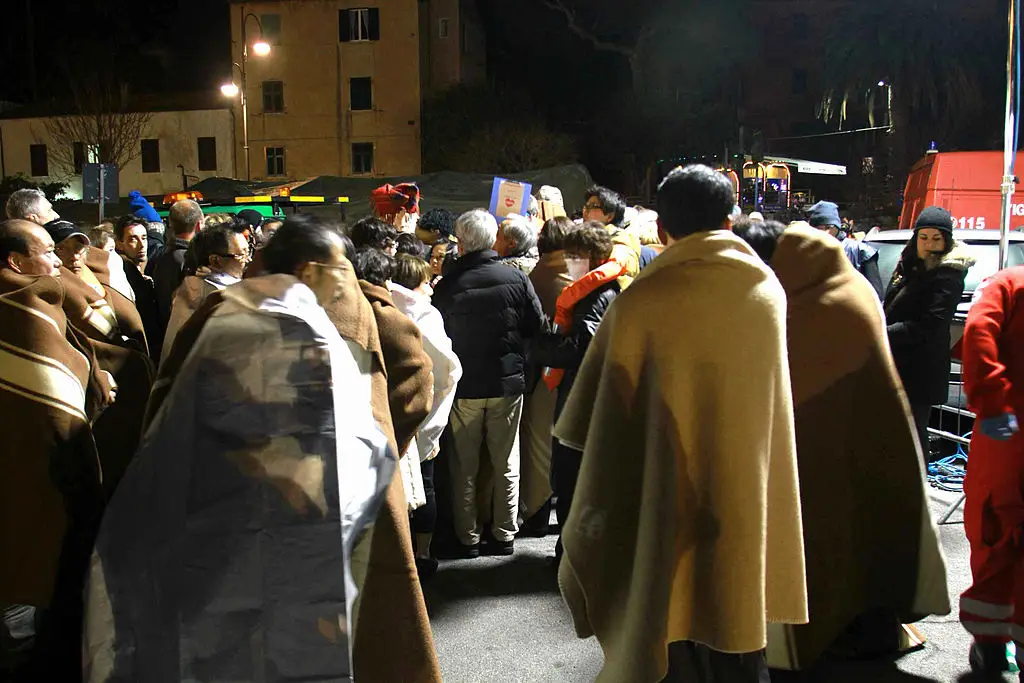
By midnight, dozens of passengers were still on board, some clinging to the exposed side of the tilting vessel as rescue boats and helicopters worked to reach them.

What happened to the Costa Concordia's captain?
Black box voice recordings referenced in the ministry's investigation captured the chaos unfolding on the bridge in real time, and one exchange in particular has come to define the disaster's aftermath.
At 23:19, Captain Schettino left the bridge, leaving his second master to coordinate the evacuation, who himself abandoned the bridge just 13 minutes later. In a heated recorded exchange at 00:42, a coastguard commander can be heard ordering the captain to return to the ship. He didn't, and heading ashore instead.
The Italian reaction to Captain Francesco Schettino abandoning the Costa Concordia was one of intense national outrage and public revulsion. Dubbed 'Captain Coward' by the Italian press, he was widely vilified across the country, becoming the most despised man in Italy.
Schettino was later arrested and put on trial, charged with multiple counts of manslaughter and abandoning ship. He admitted to making a navigational error, telling investigators he had 'ordered the turn too late'.
Costa Cruises, the ship's owner, said at the time that the captain had made an 'unapproved, unauthorised' deviation from the planned course in order to sail close enough to the island to be seen by locals.
When is Netflix's documentary released?
Shipwrecked: Nightmare at Sea lands on Netflix on 10 July, offering what the streaming giant describes as an 'immersive account of the collision, evacuation and aftermath', combining archive footage with first-hand testimony from those who were on board.
Topics: Netflix, True crime, Cruise ship
 Thomas Bamford