Professors break down the truth about taking vitamin C, vitamin D or zinc to stop getting sick

Two professors have weighed in on the 'myths' surrounding taking various vitamins with the intention of preventing a cold.
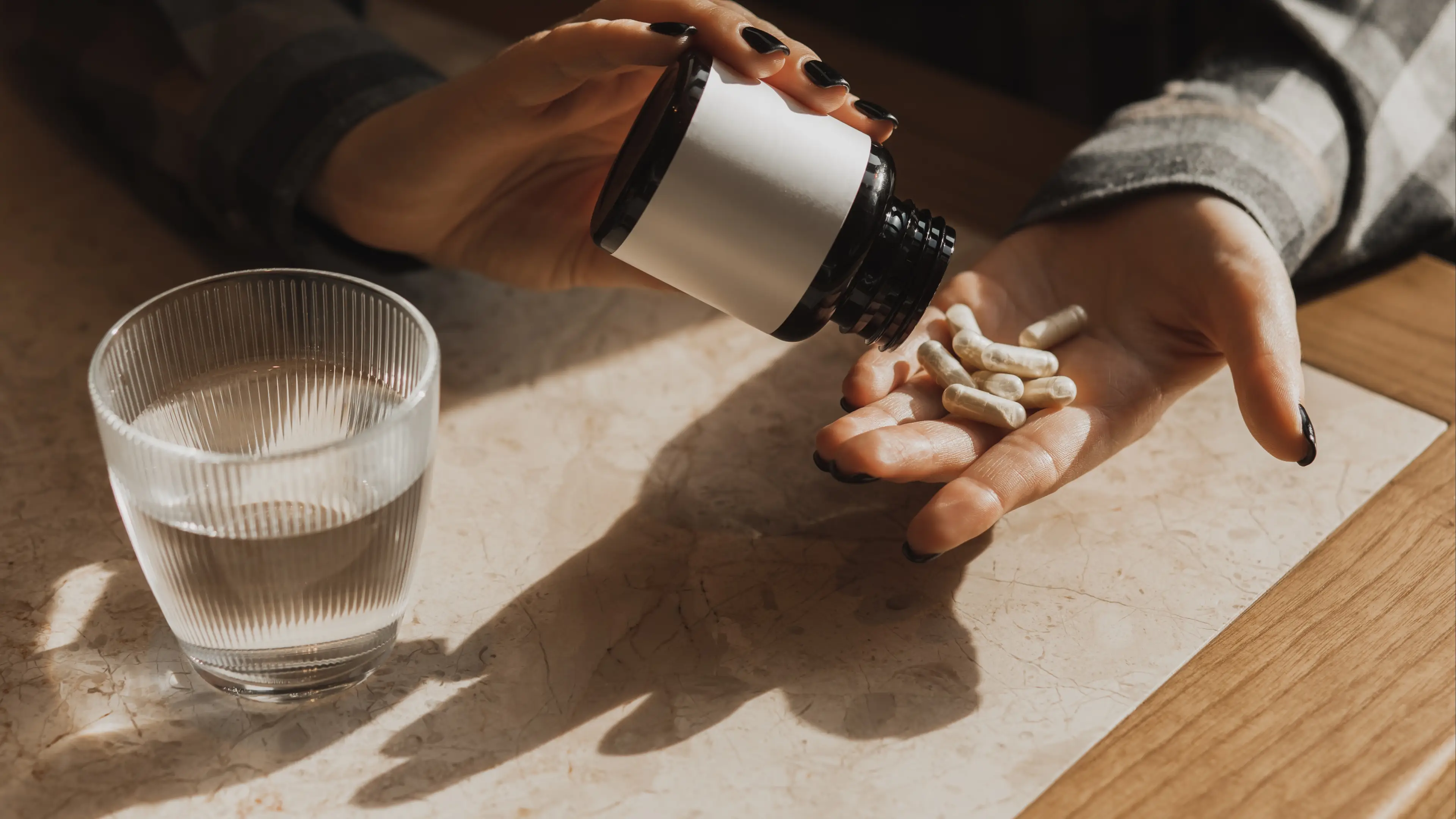
You can barely scroll a few posts down without seeing the latest pill, drink, or supplement shoved in your face, told if you don't take vitamins x, y, or z, you're sure to get sick.
The truth of the matter? Enter two professors to the chat, weighing in on some of the top culprits and which actually helps prevent you getting poorly, particularly in the colder months.
"Don't go outside with wet hair or you'll catch your death!" It's a phrase most of us will have heard bellowed at us as we ran out to play with our friends outside, so eager to galavant around watching the fireworks, playing in the snow, or whatever other wintery activities were going on.
Advert
But were these words of warning true or are they myths? Well, social media embodies your mother's shrill caution but on an ever wider scale.
Vitamin C, D and Zinc - we've all heard about them, vitamin C praised with protecting against colds. But which actually help wade off an impending flu?
During an appearance on the ZOE Science & Nutrition Podcast, Professor Daniel Davis revealed vitamin c's cold protective qualities are actually 'a 50-year-old myth'.
And it's not just tales about vitamin c which needs clearing up either.

The reality about vitamin supplements and taking vitamin C, D and zinc
On vitamin C, Prof. Davis reflected while it's 'important for health in lots of ways' when it comes to protecting against colds, it's an 'absolute myth'.
"High doses won't stop you catching a cold," he said.
However, if you are supplementing on a 'high dose of vitamin C,' you 'get over a cold on average eight percent quicker'. Although, it's hard to know for sure when people often supplement on more than just one vitamin.
With zinc, Prof. Davis voiced he doesn't 'think there's any clear evidence around' it.
And when it comes to vitamin D?

Professor Tim Spector explained the 'data changes' but 'at the moment' there is 'some weak evidence that if you have high vitamin D levels you slightly reduce your risk of getting respiratory infections by about 10 percent or so'.
This was echoed by Prof. Davis, who noted while the advantage is minimal, the NHS does actually say people 'could supplement themselves with vitamin D' during the winter months.
"Everything else, slightly depends on whether you're really deficient at the beginning," Spector added. "[...] There's very little data to show that if you've got normal levels that supplements really, really help you and prevent an illness."
So how can you actually decrease your chances of catching a cold?
Professor Davis confirmed we are all more likely to catch a cold in the winter months, explaining viruses 'are able to survive longer when it's cold'.
But the key to putting it off as much as possible lies within your diet.
"If you have a healthy gut, then you're much more likely to have a healthy, well-balanced immune system," Prof. Davis said.
He adds: "Mucus is also a key part of your defense. Mucus contains a magical concoction of different kinds of molecules, including things that directly kill viruses."
Topics: Food and Drink, Health, Science
 Poppy Bilderbeck