Scientists find concerning link between how often people vape and changes to lung function

A small study of young adults who vape has found a significant reduction in a key measure of lung function after around a year.
The preliminary findings, published in the journal Tobacco Control and shared by the British Medical Journal (BMJ), suggest long-term vaping in young people may induce persistent changes in lung function.
The researchers emphasized that further research is needed.
Still, the team said the cumulative effects might heighten the risk of chronic obstructive pulmonary disease (COPD), a life-limiting condition.
Advert
A hallmark of COPD is loss of lung function, and specifically a decline in forced expiratory volume in the first second (FEV1).
The researchers analyzed lung function tests from 22 people aged 21 to 35 who primarily used e-cigarettes when the study began. Each person was tested at the start and again an average of 12 months later.
Participants also reported how often they vaped each day. They took the tests between 9 and 11 a.m., 12 hours after using any tobacco product.
FEV1 assesses how much air a person can blow out of their lungs in one breath in one second. The tests also measured forced vital capacity, which assesses the total volume of air that can be forcefully and rapidly exhaled after taking a deep breath, plus the ratio of the two.
In the second round of testing, the results indicated a significant reduction in FEV1.
After adjusting for vaping frequency and other potentially influential factors, such as age, sex, race and height, there was a declining trend in FEV1 as daily vaping increased.
However, that trend wasn't statistically significant.
Compared with people who vaped 0-4 times a day, vaping 5-9 times daily was associated with a fall of 100 ml in FEV1. Vaping 10-29 times a day was associated with a fall of 190 ml, while vaping 30 or more times daily was associated with a 240 ml decline.
Put simply, the numbers rose in step with daily vaping: the more times a day participants vaped, the larger the decline in FEV1 relative to the lowest-use group.
The researchers acknowledged the study's small sample size. They also noted it relied on only two time points to assess the chronic effects of e-cigarettes on pulmonary function tests, and that it lacked a tobacco-free comparison group.
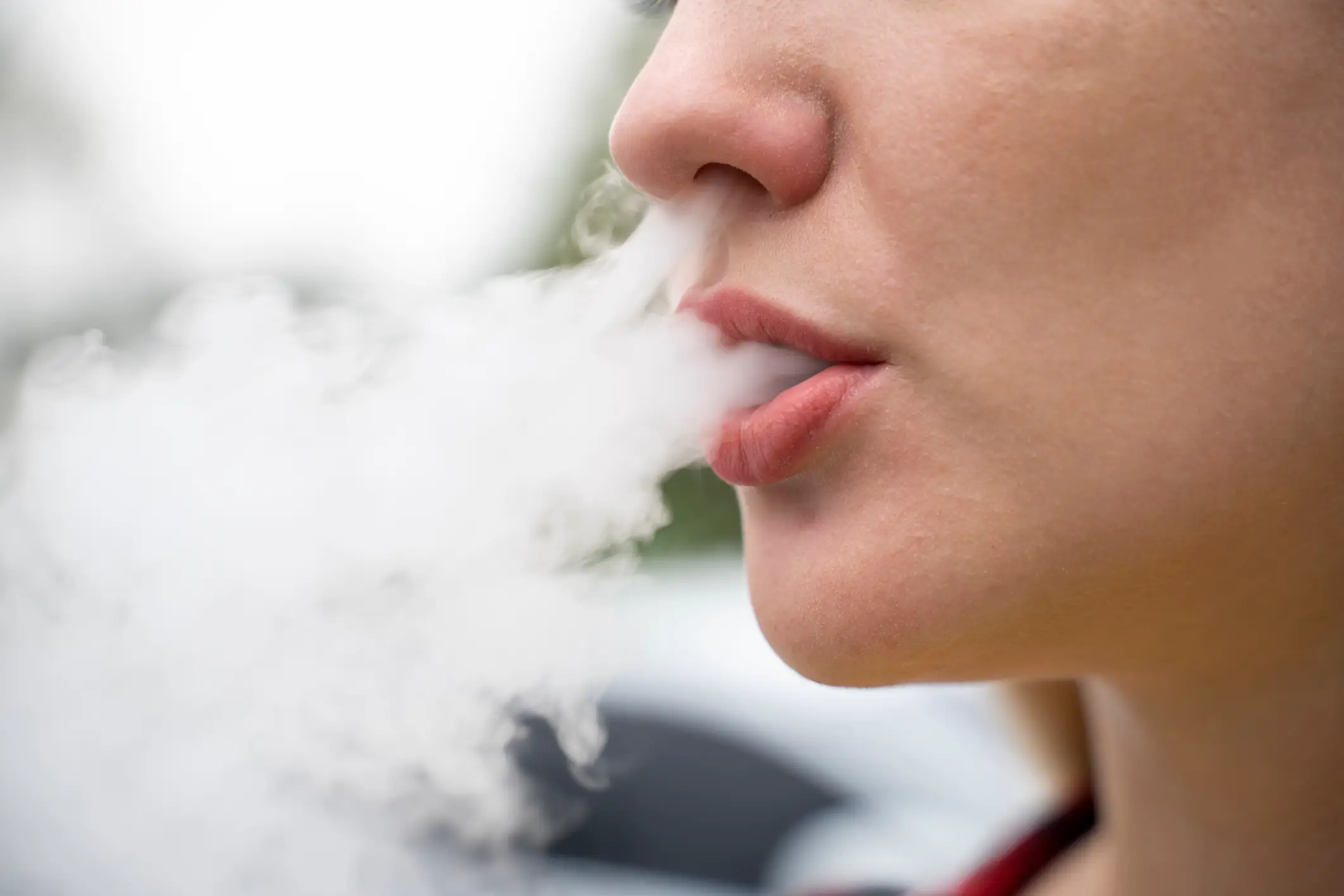
Nevertheless, they suggested the study 'provides credible evidence of the effect of prolonged exposure to e-cigarette use on the pulmonary functions of young adults and its dose-response relation'.
That dose-response relation refers to the pattern seen in the daily vaping figures, where larger amounts of vaping were associated with bigger falls in FEV1.
They added: "While an accelerated decline in FEV1 requires more lengthy observations and tobacco-free controls, this study provides the first indicator of the potential of prolonged e-cigarette use to have persistent and clinically important cumulative effects on FEV1 and pose a COPD risk."
 Thomas Bamford-Sidwell