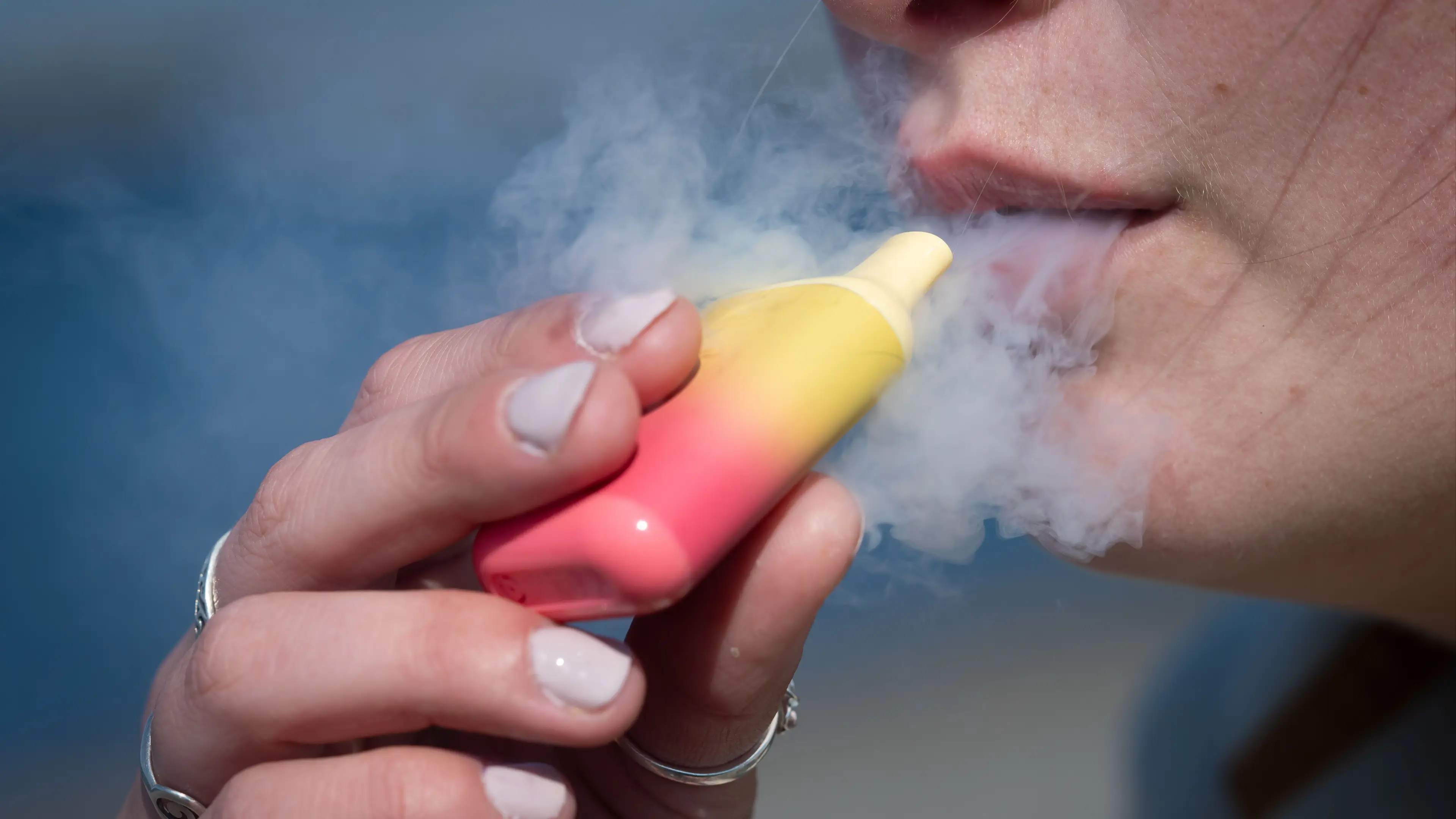
Groundbreaking new study finds vaping likely causes cancer as experts issue warning

A new study has come forward with findings that suggest vaping has a likely chance of causing cancer,
During the last decade, vapes have become one of the most popular ways to consume nicotine.
Vapes - be it rechargeable or disposable - have often been touted as some of the best tools for quitting smoking. However, alongside countless warnings over the danger they pose to our health, a new study has revealed they have a high likelihood of causing cancer.
The study, from the University of New South Wales in Sydney, conducted a comprehensive review of all research on the harms from nicotine-based e-cigarettes published between 2017 and 2025.
Advert
The researchers concluded that vaping is far from risk-free and that it has the potential to change a user's DNA, thus increasing the chances of the type of cell malfunction linked to cancer.
Additionally, vaping can damage tissue in the respiratory tract, which can heighten the risk of lung cancer.
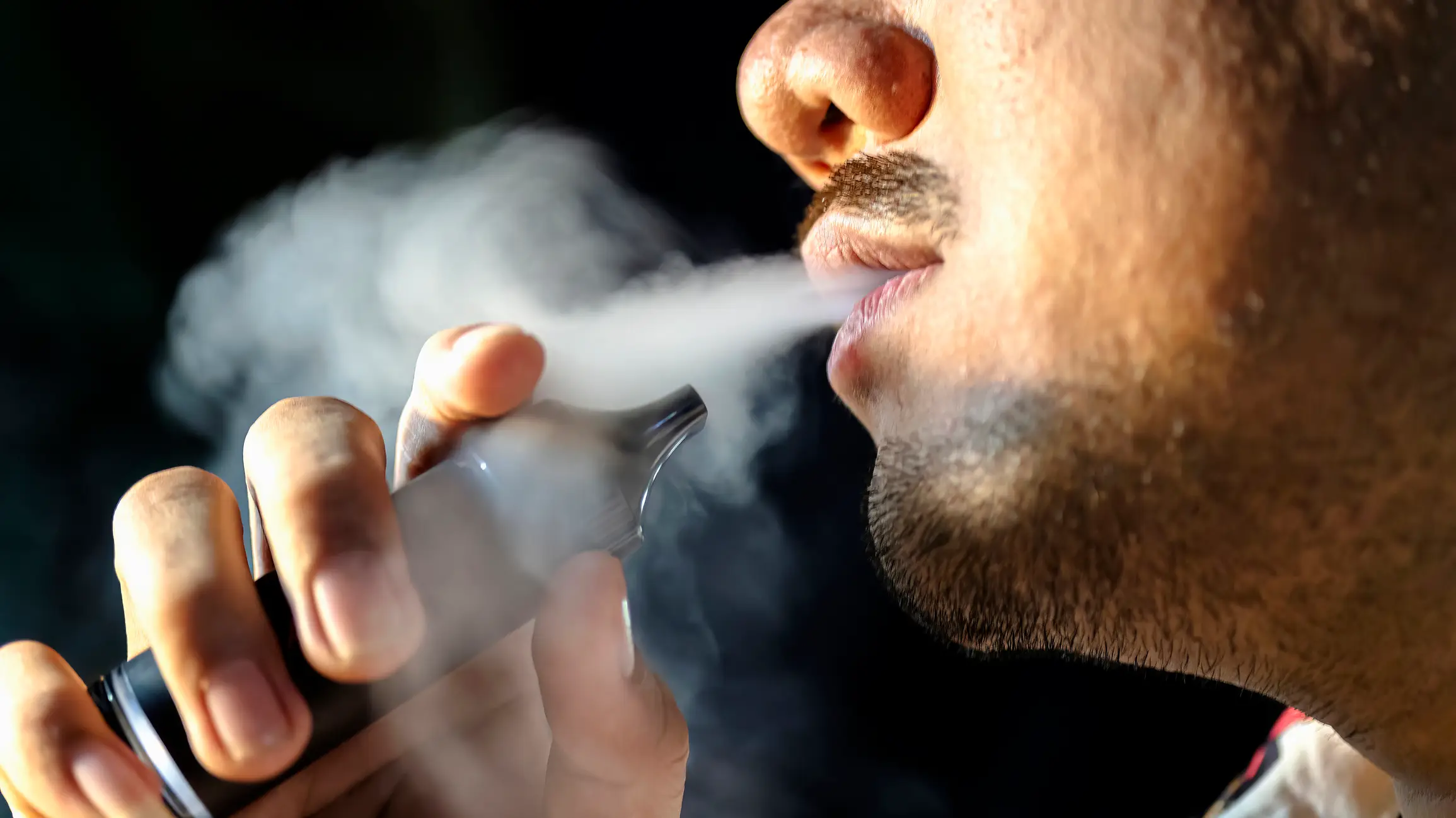
Vaping can also alter the oral microbiome, increasing inflammation and the risk of oral cancer.
And those who consume both cigarettes and vapes - which amounts to around half of smokers - are four times more likely to develop lung cancer.
"The research shows vaping is not an alternative to smoking or illicit drugs. It is not an alternative to anything in the context of being safer," said Professor Bernard Stewart, who led the study.
"It's dangerous, and that's the message."
A co-author of the study, Professor Freddy Sitas, was adamant that e-cigarettes should not be used as a replacement for smoking, particularly without proper precautions in place to reduce the use of both at the same time.
"It took about 100 years for the evidence to be conclusive enough to say that smoking causes lung cancer, and the history of events evolved over time as people became more and more exposed to tobacco," he said. "And we are seeing a similar evolution with e-cigarettes."

He warned that people need to start becoming more 'proactive' when it comes to encouraging people to quit vaping.
"'There is a window of opportunity now to be able to discern these effects and now is the time to be proactive rather than reactive," he said.
Smoking is also the leading cause of progressive lung condition Chronic Obstructive Pulmonary Disease (COPD), which affects around 1.7 million people in the UK and claims 30,000 lives every year.
In contrast, vapes do not contain tar or carbon monoxide, but they do have other chemicals, such as formaldehyde, which can cause inflammation, as well as drive oxidative stress and DNA changes, which have been shown to heighten the risk of cancer.
If you’ve been affected by any of these issues and want to speak to someone in confidence, contact the American Cancer Society on 1-800-227-2345 or via their live chat feature, available 24/7 every day of the year.
 Alice Wade