Experts issue urgent warning over 'popcorn lung' as studies show vaping condition can't be reversed

Vaping has more 'permanent' effects than many realise with an expert speaking out on why 'treatment' doesn't work for 'popcorn lung'.
Countless stories have littered headlines of teens being admitted to hospital and diagnosed with irreversible conditions as a result of vaping.
And the extent of the dangers of 'popcorn lung' have since been stressed even further by professor of Chemistry at RCSI University of Medicine and Health Sciences, Donal O'Shea.
Advert
O'Shea revealed why the term dates further back to when vapes first came on the scene and explained why it's actually the flavouring agent that's used in vapes which is what can cause such permanent damage to the body.
In an article for The Conversation, Professor O'Shea revealed the term 'popcorn lung' came about after several workers developed lung problems from working at a microwave popcorn factory, which used a chemical called diacetyl.
Similarly to the popcorn factory, flavoured vapes contain the chemical diacetyl - which, when aerosolised, becomes a 'toxic inhalant'.
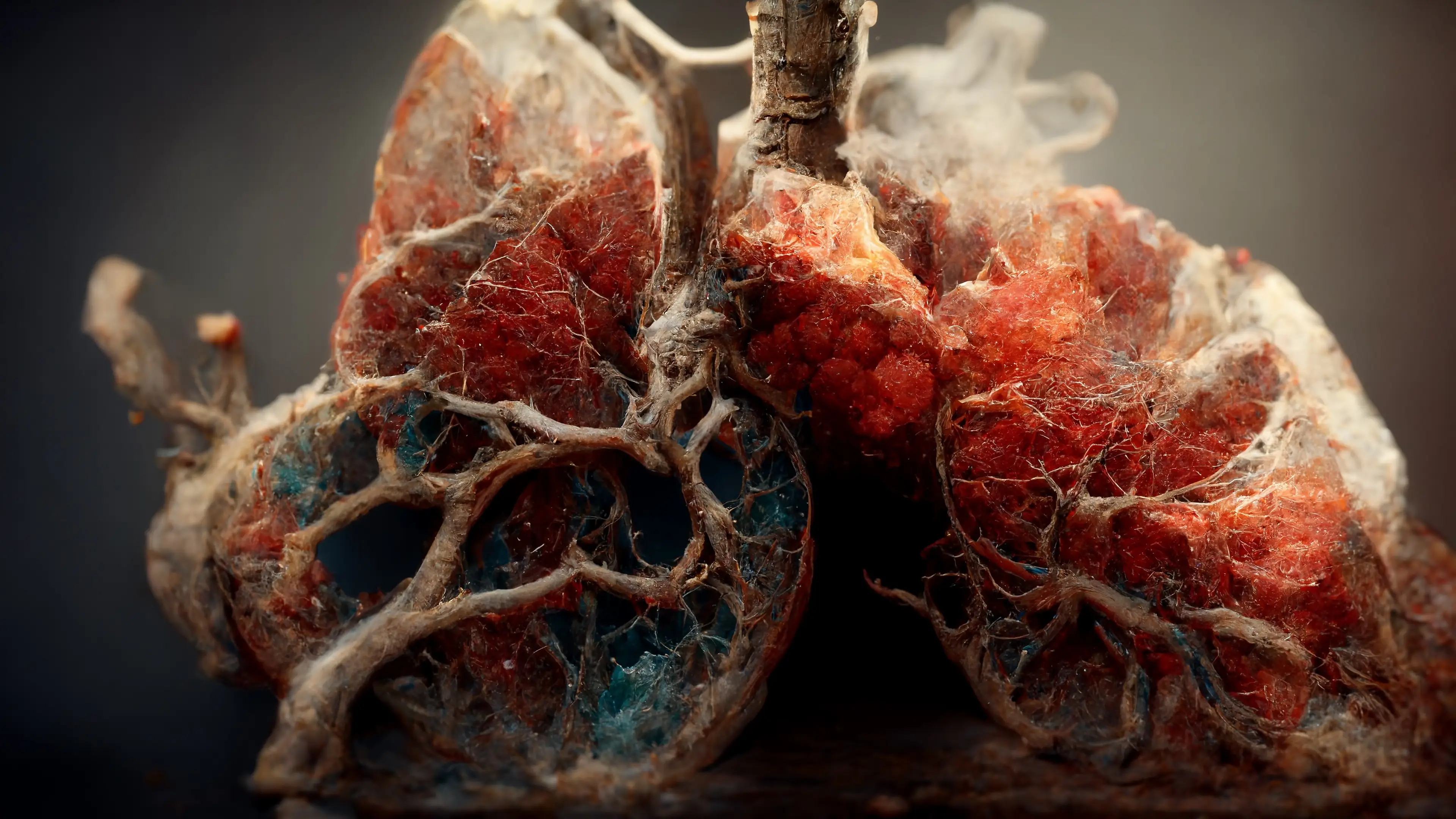
Professor O'Shea explains: "It causes inflammation and scarring in the bronchioles (the smallest branches of the lungs), making it increasingly difficult for air to move through."
He warns: "There’s no cure for popcorn lung. Once the lungs are damaged, treatment is limited to managing symptoms.
"This can include bronchodilators, steroids, and in extreme cases, lung transplantation. For this reason, prevention – not treatment – is the best and only defence."
And it's not just diacetyl which is the only chemical found in vapes which can have this effect.
The results of inhaling diacetyl are 'permanent' with 'often disabling lung damage'.
Diacetyl is now officially banned in e-cigarettes in the EU and UK, but that doesn't mean it doesn't end up in illegal products.
It also remains in products in the US and other jurisdictions.
However, 'popcorn lung' can also 'be triggered' by other toxic chemicals.
Professor O'Shea notes: "Including volatile carbonyls like formaldehyde and acetaldehyde – both of which have also been detected in e-cigarette vapours."
He explains experts have estimated there being 'over 180 different flavouring agents used in e-cigarette products today' which, 'when heated' break down into 'new compounds' that haven't all been 'tested for inhalation safety'.
"Because vapers’ lungs are exposed to so many chemicals, it’s not possible to directly prove that diacetyl is the cause of the disease in any specific case. But that doesn’t negate the proven risks of inhaling it," he continues. "Even if diacetyl isn’t the sole culprit, cumulative exposure to multiple chemicals and their byproducts could increase the risk of popcorn lung and other respiratory conditions."
Subsequently, he believes 'prevention' rather than 'treatment' is the only way forward when it comes to vaping.
 Poppy Bilderbeck