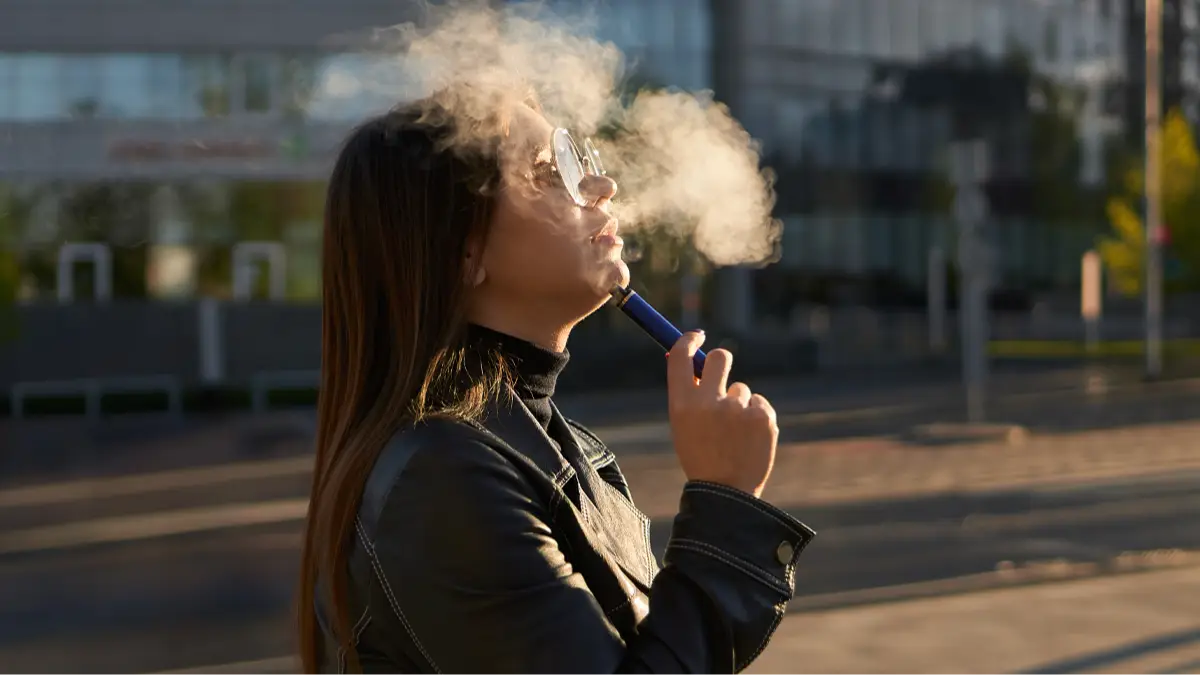
Health expert details when vape damage can become permanent and how to lower risk

Using a vape to stop smoking can be a great way to quit lighting up a cigarette, but for many users, this can result in putting down one vice only to pick up another.
Long term and heavy use of a vape can have worrying health effects, including causing serious and potentially permanent damage to your respiratory system like bronchiolitis obliterans - a condition that causes internal scarring known as popcorn lung.
Vaping has exploded in popularity over the past decade, with certain groups much more likely to regularly use a nicotine device than others. The largest cohort by some way are people aged 18 to 24, with the latest CDC data showing more than one in five now vape.
We spoke to a health expert to find out what factors vapers should keep in mind to avoid causing themselves serious lung damage, who is at the highest risk, steps to minimize damage, as well as how long it can take for your system to recover if you have developed a heavy habit.
Advert

Amir Boghal, Superintendent Lead Pharmacist and Director of Pyramid Pharmacy Group, shared his insight on the increasingly common habit, based on the best current understanding of the relatively new method of consuming nicotine.
While it is important to be mindful of vaping's impact on your health, it is still considered to be a much healthier option than smoking cigarettes which have decades of scientific studies proving their extremely damaging impact.
Pharmacist Boghal noted: "We're still learning about long-term lung recovery from vaping because the practice hasn't been around long enough for comprehensive longitudinal studies. What we do know from existing research is encouraging in some respects."
Can your lungs ever fully heal from vaping?
If you would like to improve your lung function and capacity, putting the vape down is probably the best option. However, you are unlikely to see the benefit immediately.
Boghal explained: "If someone stops vaping, their lungs can show improvement over time, particularly in terms of inflammation and mucus clearance.
"However, whether complete healing occurs depends on different factors including how long someone vaped, their age when they started, their overall lung health, and whether they have underlying conditions like asthma.
"In younger people with shorter vaping histories, recovery appears more complete as the lungs experience less cumulative irritation and have greater regenerative capacity. For those with longer exposure or pre-existing lung conditions some changes, like breathing difficulties, scarring or chronic inflammation, may be permanent.
"The key point is that stopping vaping allows your lungs to begin healing immediately, even if complete restoration to pre-vaping baseline isn't guaranteed."
How much would you have to vape for the impact to be serious?
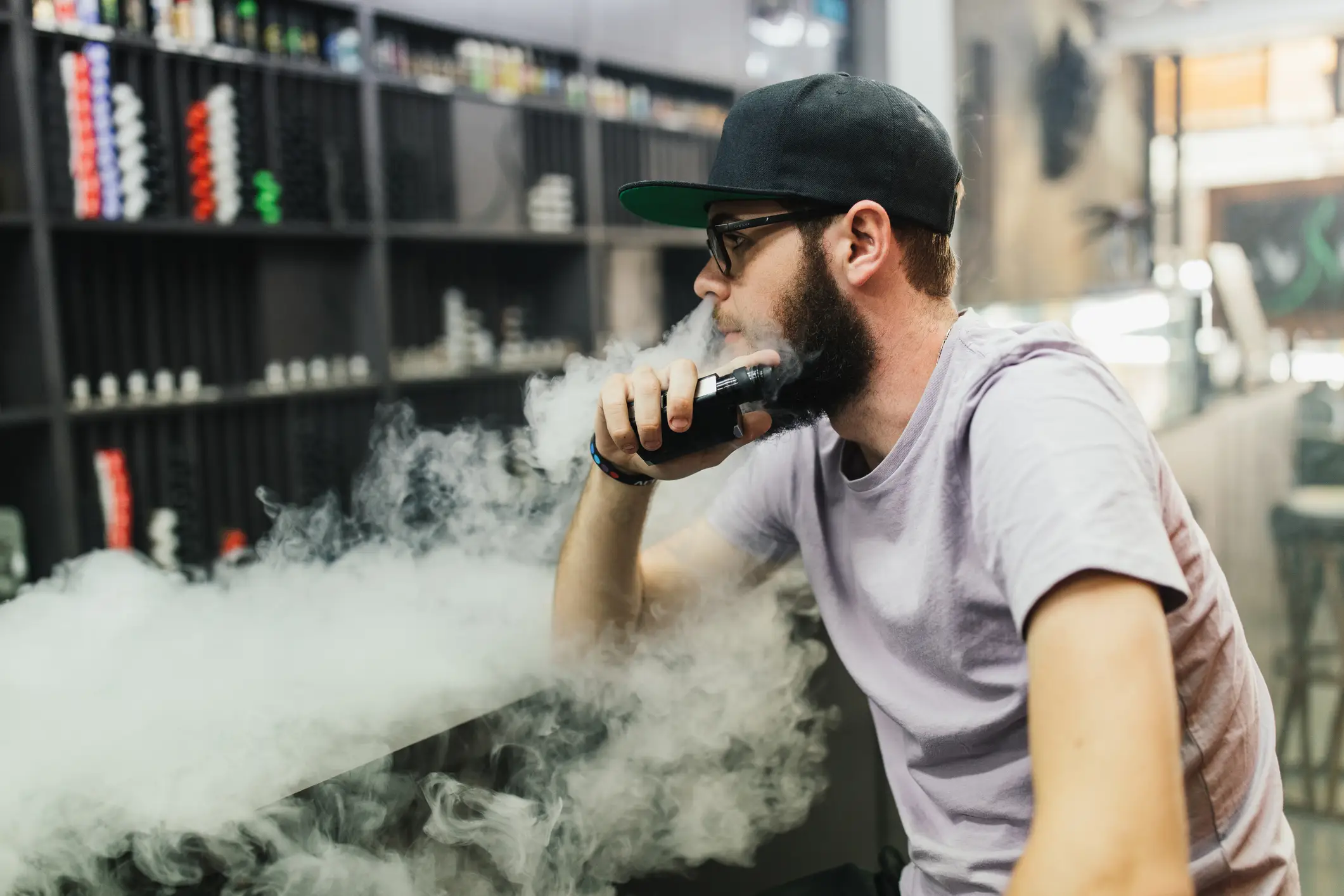
Not everyone is at equal risk of developing serious complications from using a vape. However, a variety of factors have the potential to turn the seemingly simple habit into a serious danger to your long term health.
Your genetics, age, lung capacity, and overall health status will all play a part in determining whether you are at a higher risk of suffering health issues as a result of vaping, Boghal detailed.
"Some people develop respiratory symptoms such as shortness of breath after relatively brief vaping periods, whilst others might vape for years with fewer noticeable effects, simply because individuals vary in their airway sensitivity, baseline lung health, and how their bodies respond to irritation," the lead pharmacist added.
He also explained who was at the highest risk, with heavy users who vape continuously through the day more likely to present with 'lingering chest discomfort in shorter timeframes'.
Considering the growing demographic of young vape users, Boghal noted: "Young people are particularly vulnerable because their lungs are still developing, and exposure may have lasting consequences into adulthood.
"For those who vape regularly, diagnostic blood tests and free blood pressure checks can help monitor cardiovascular and metabolic health, offering reassurance or prompting early intervention if needed. Rather than waiting to see if you'll be seriously affected, it's safer to recognize that any regular vaping carries health risks that need to be monitored over time."
How to minimise the impact of vaping on your health
While vapes expose you unnecessarily to a variety of chemicals, its method of heating a nicotine-infused liquid to create a vapor is still far and away healthier than toking on a cigarette - which contains around 7000 largely toxic chemicals.
The healthiest thing to do would be to quit inhaling chemicals into your lungs completely, but for the persistent, there are ways to continue using a vape in a healthier way that minimizes the long term impact on your body.
Pharmacist Boghal laid it out, stating: "First, reduce frequency and duration of use as much as possible, as lower exposure means lower risk.
"Second, be aware that different vaping devices and liquids carry different risk profiles. Devices with temperature control may reduce the formation of harmful compounds compared to unregulated devices. Third, avoid additives known to be problematic, particularly vitamin E acetate and certain flavourings like diacetyl."
If you are looking to improve your health and recover from heavy vape use, he added: "It’s important to maintain good overall lung health through regular exercise, staying hydrated, and avoiding other respiratory irritants like high-pollution environments, as much as possible. If you have any pre-existing respiratory conditions, like asthma, vaping poses additional risks and should be avoided entirely."
 William Morgan