
Six signs you could be sleep deprived, according to an expert

An expert has urged people to look out for six signs they could be sleep deprived, warning that many people ‘underestimate’ the impact a lack of sleep can have.
We're constantly told how important it is to get a good night’s sleep, but for many of us, it’s easier said than done.
Late nights, early starts, busy schedules and endless scrolling can all chip away at the amount of shut-eye we get each night.
And while the odd restless night might not seem like a big deal, consistently missing out on sleep can leave you carrying what experts call a ‘sleep debt’.
Advert
While you might think you’re coping just fine, your body could be telling you otherwise.
And now, an expert has highlighted six specific signs that could suggest you’re not getting enough sleep.
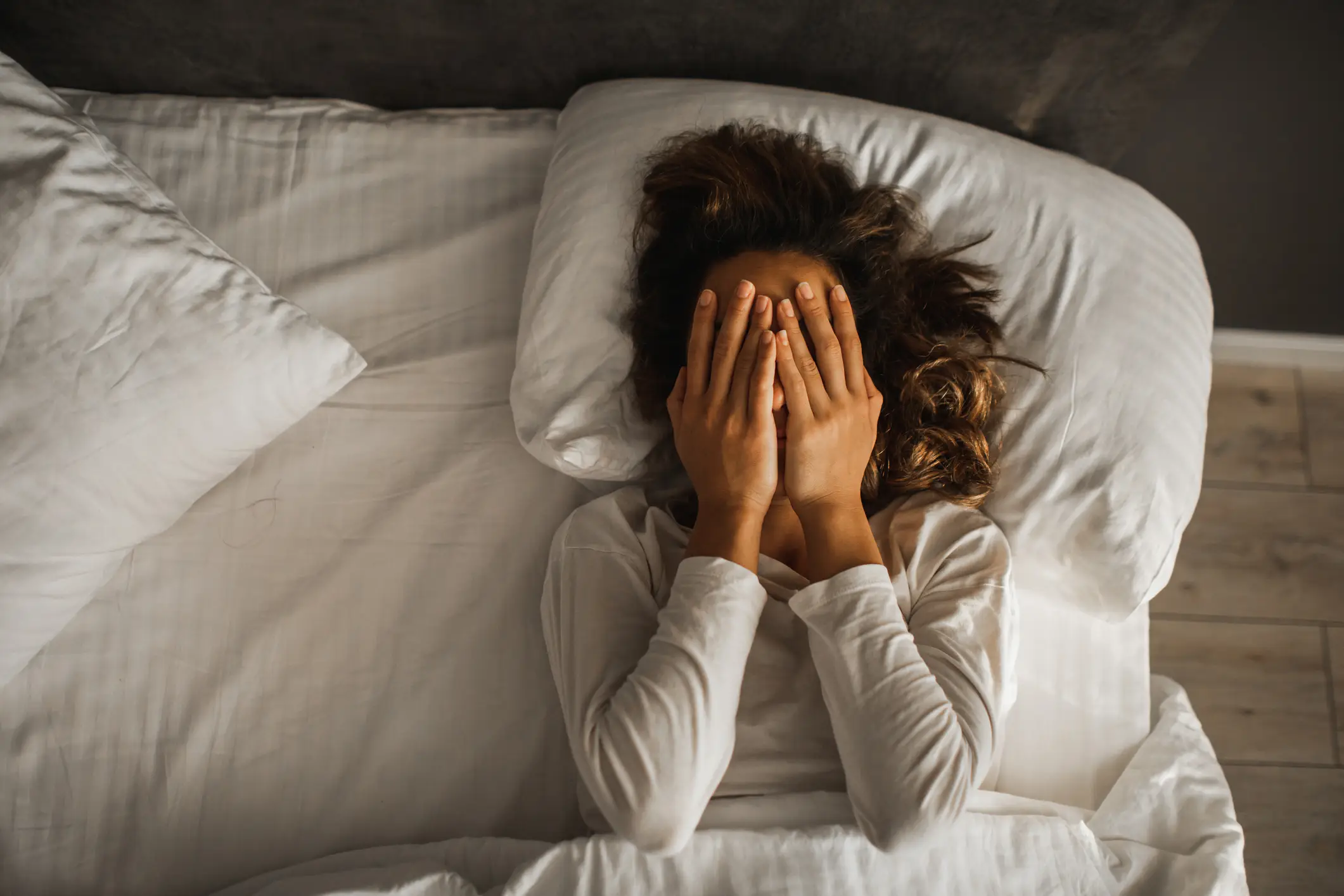
Omar El-Gohary, Superintendent Pharmacist at IQ Doctor, noted that after experiencing symptoms such as daytime fatigue, difficulty concentrating, irritability, headaches, memory issues or needing excessive caffeine to function, it's worth speaking to a healthcare professional.
"Sleep should leave you feeling refreshed, alert and energised the next day, not constantly trying to catch up," the expert urged.
But he also issued a warning about falling asleep too quickly, and what it could potentially signal.
He explained that while falling asleep almost instantly may seem like a sign of good sleep to most people, it can actually indicate the opposite.
Consistently drifting off within minutes could be a sign that your body is carrying a significant sleep debt and struggling to stay awake.
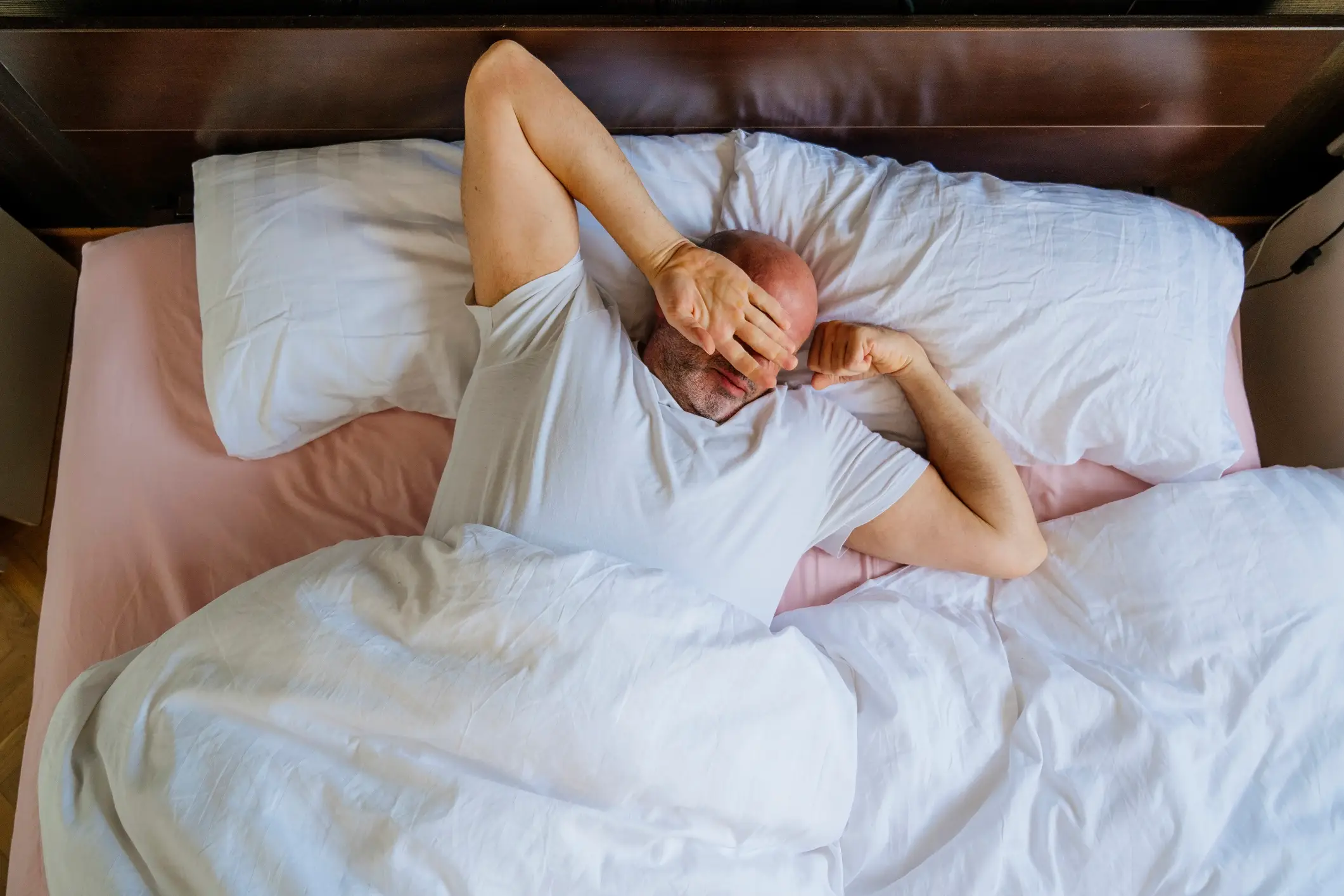
The pharmacist said: "A healthy adult will typically take somewhere between 10 and 20 minutes to fall asleep. If you're regularly falling asleep almost instantly, it may suggest you're not getting enough quality sleep, even if you're spending enough hours in bed.
"In some cases, it can also be linked with underlying sleep disorders such as obstructive sleep apnoea, which can disrupt sleep quality without a person realising it."
He further warned that as a result, 'falling asleep straight away can sometimes be a sign that your body is running on empty rather than operating optimally'.
A large US study of 669 adults aged 38-50 found an average sleep latency of 21.9 minutes, measured using wrist activity monitors and sleep logs.
However, CDC data from 2024 also found that 15.4 percent of US adults reported having trouble falling asleep most days or every day.
 Mia Williams