
Signs and symptoms of coronary artery disease as condition confirmed as Tim Curry's cause of death

Following the devastating passing of acting icon Tim Curry, official records have confirmed that the beloved star’s cause of death was coronary artery disease (CAD).
The legendary British actor—cherished worldwide for his iconic roles in The Rocky Horror Picture Show, Clue, IT, and Home Alone 2: Lost in New York—died peacefully surrounded by family and close friends, prompting a global outpouring of grief from Hollywood peers and millions of fans.
With the cardiovascular condition officially confirmed as his primary cause of death, health professionals are urging the public to familiarize themselves with the warning signs of CAD, which remains the single leading cause of death both in the UK and globally.
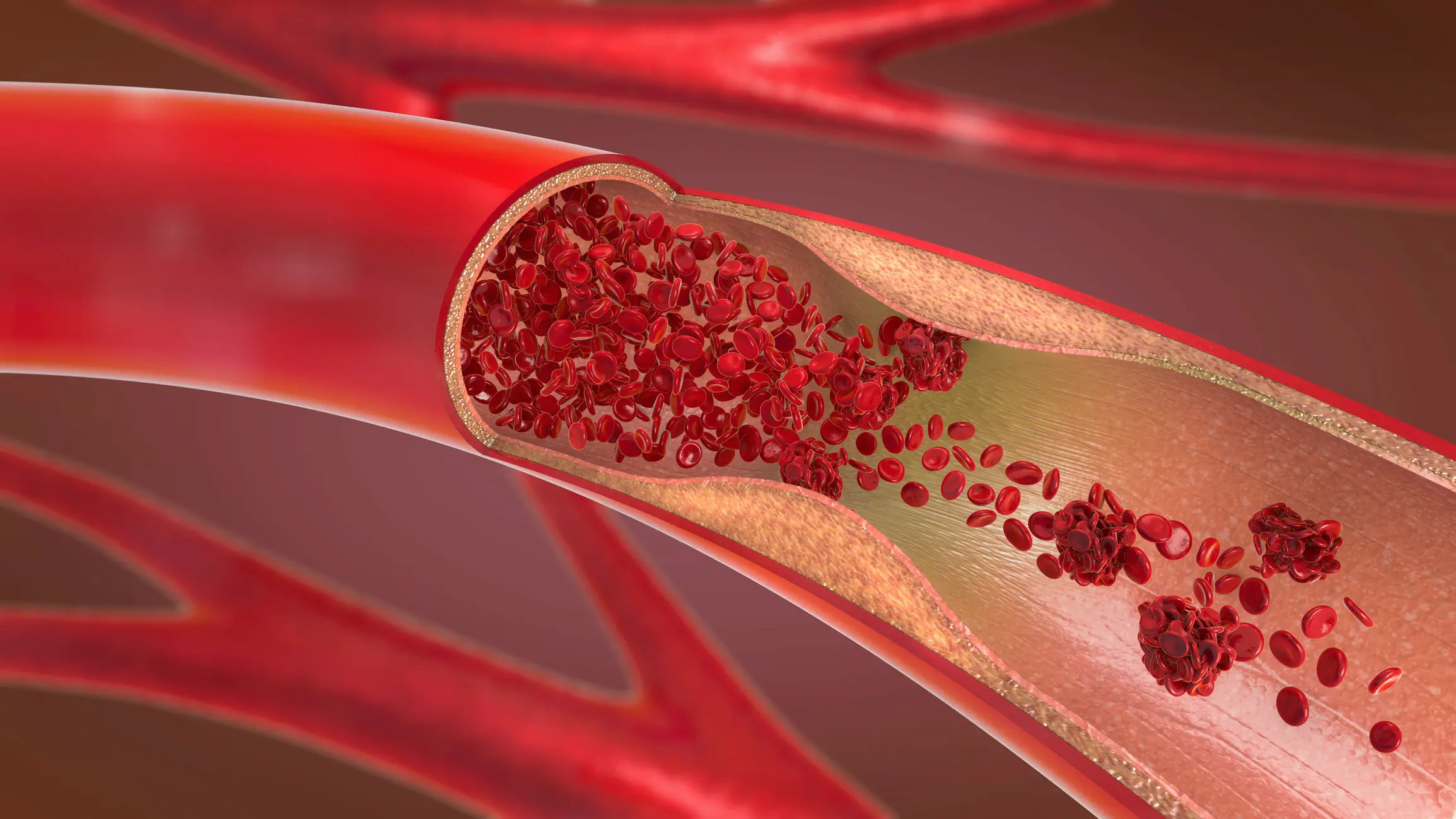
Coronary artery disease develops when the major blood vessels supplying the heart struggle to deliver sufficient oxygen-rich blood, oxygen, and nutrients.
Advert
This is typically driven by atherosclerosis—a slow, progressive process where cholesterol-laden fatty deposits (plaques) accumulate along the inner walls of the coronary arteries, causing them to narrow, stiffen, and restrict vital blood flow.
What makes CAD particularly dangerous is that it is frequently labeled a "silent killer." Many individuals develop significant arterial blockage over years or decades without noticing any overt symptoms until blood flow becomes critically compromised or an arterial plaque suddenly ruptures, triggering a heart attack.
What are the signs and symptoms?
According to health organizations including the NHS and Mayo Clinic, the most common warning signs and symptoms of coronary artery disease include:
- Angina (Chest Discomfort): Often described not as sharp pain, but as a dull pressure, tightness, heaviness, squeezing, or burning sensation across the center of the chest. It frequently triggers during physical exertion, stress, or cold weather and subsides with rest.
- Radiating Discomfort: The aching or tightness can travel beyond the chest wall, radiating outward into the left arm, shoulders, neck, jaw, upper back, or stomach.
- Shortness of Breath: Experiencing unusual breathlessness or extreme fatigue during everyday tasks that were previously effortless, such as climbing stairs or carrying groceries.
- Dizziness, Lightheadedness, and Cold Sweats: Feeling suddenly faint, unsteady, or clammy without an obvious cause, which can indicate that the heart is struggling to pump effectively against blocked vessels.
- Nausea and Indigestion: Particularly common in women and older adults, who often experience atypical heart symptoms that mimic acid reflux, heartburn, or abdominal distress rather than acute chest pressure.
 Tim Curry died of the condition last week (Jason LaVeris/FilmMagic)
How is it diagnosed?
Doctors use a combination of routine baseline screenings, stress assessments, and specialized cardiac imaging to pinpoint blockages before an emergency occurs.
Diagnostic pathways typically begin with blood tests measuring lipid profiles and glucose, alongside an electrocardiogram (ECG) to monitor the heart’s electrical rhythm.
If doctors suspect arterial narrowing, patients may undergo an exercise stress test—where cardiac performance is tracked while walking on a treadmill—or a non-invasive CT coronary angiogram, which uses specialized dye to map calcium buildup and physical plaque inside the blood vessels.
In more severe cases, an invasive coronary angiogram may be carried out, where a thin catheter is threaded through an artery in the wrist or groin to directly film blood flowing into the heart chambers.
How is it treated?
Treatment plans focus on restoring adequate blood flow, easing symptoms like angina, and reducing the risk of a life-threatening heart attack.
Medical management typically begins with daily pharmaceuticals, including statins to slash LDL cholesterol and stabilize existing plaques, low-dose aspirin or blood thinners to stop clots forming, and beta-blockers or ACE inhibitors to lower blood pressure and reduce the heart's workload.
If arteries are critically narrowed or blocked, surgical intervention is often required. This commonly involves a percutaneous coronary intervention (PCI)—where a tiny balloon widens the artery and a wire-mesh stent is placed to keep it open—or coronary artery bypass graft (CABG) surgery, where a healthy blood vessel is grafted from another part of the body to reroute blood flow entirely around the obstruction.
 Phoebe Tonks