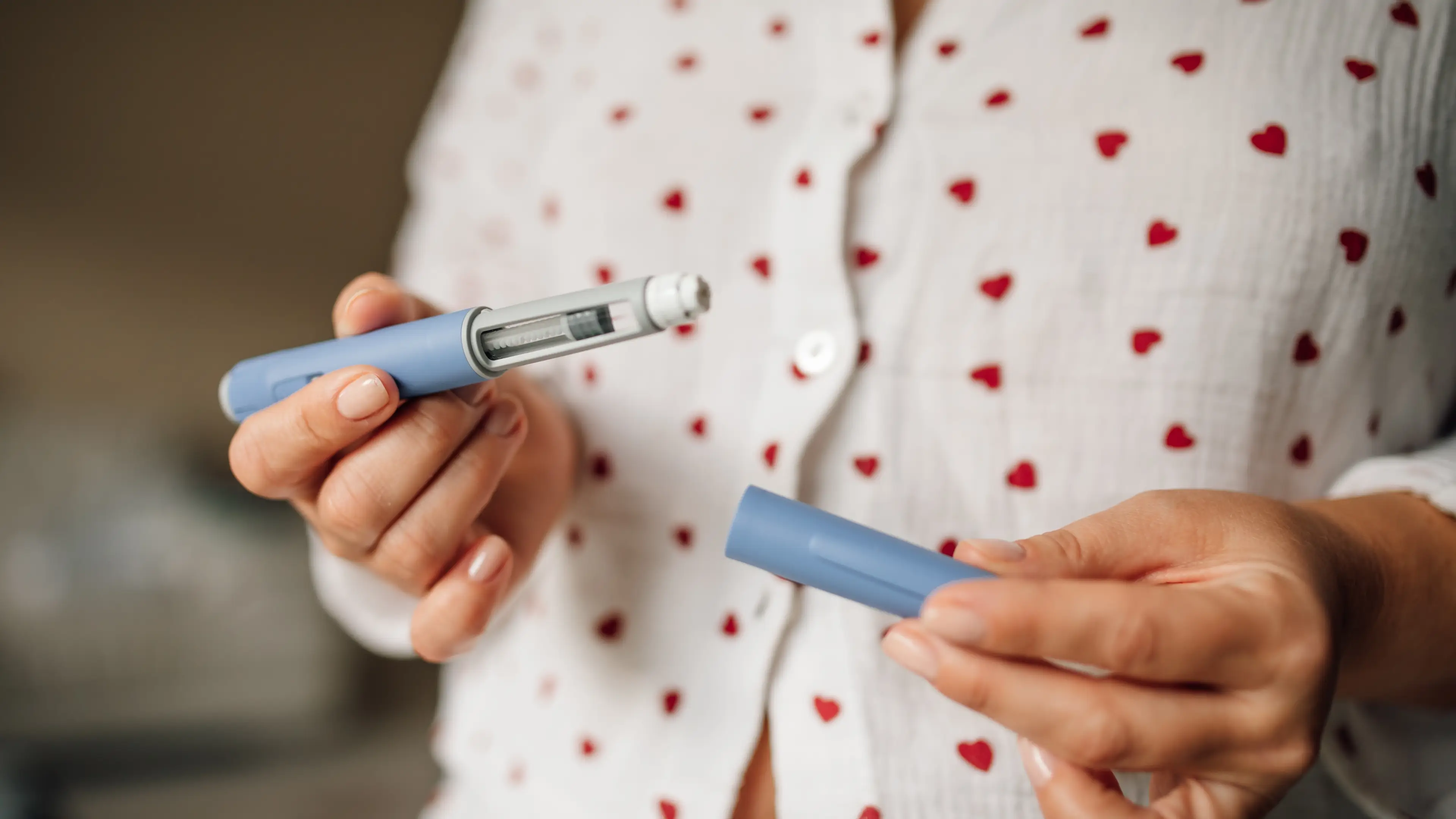
Doctor explains why GLP-1s appear to stop working after a period of time

If you've been taking a GLP-1 injection, like Ozempic, Wegovy or Mounjaro, and noticed the number on the scales has stopped moving, you're not alone.
And according to NHS Dr Amir Khan, it doesn't necessarily mean the medication has stopped working.
The Sunday Times bestselling author and television doctor addressed the question on his Instagram which has resonated with thousands of people using weight loss injections.
Approximately 10 to 30 million Americans (about six percent to 12 percent of the adult population) use GLP-1 drugs for weight loss, diabetes, or heart disease. Prescriptions skyrocketed over 500 percent in recent years, though rates of active, ongoing usage vary due to supply and affordability issues.
Advert
In the video, Dr Khan addresses one of the most common things patients ask him about.

When someone first starts a GLP-1 medication, the effects can feel dramatic. The drugs work by slowing down how quickly food leaves the stomach, reducing appetite, helping people feel fuller for longer and dampening food cravings.
For many people, the weight comes off quickly in those early weeks without the mediation feeling like a diet at all.
But Dr Khan explains that the body is far smarted than people give it credit for.
"Your body doesn't particularly like losing weight," he says. "From an evolutionary perspective, weight loss can look or feel to the body a bit like starvation."
As the weight drops, the body begins to fight back.

Metabolism slows slightly, fewer calories are burned because there is simply less body mass to support, and hunger hormones begin to creep back up.
The body becomes more efficient with whatever calories it does receive.
Even though the medication is still doing its job, the gap between calories consumed and calories burned narrows and the scales stop moving. This is why some people are prescribed higher doses over time.
A stronger dose can provide a more powerful appetite-suppressing effect and help overcome some of those biological resistance mechanisms.
But even then, Dr Khan is clear: plateaus are normal, expected, and not a cause for panic. The reframe Dr Khan offers is a useful one.
Rather than viewing a plateau as failure, he suggests thinking of it as a transition, from the rapid weight loss phase into the weight maintenance phase.
"The medication may still be preventing weight regain, even if your scales are not moving," he explains.
"The battle has shifted from losing weight to keeping it off."
For many people, maintaining a significant weight loss rather than regaining it is itself a meaningful outcome, even if it feels invisible day to day.
Health authorities, including the CDC and the UK government, are clear that GLP-1 medications are not a standalone solution and should always be prescribed and monitored by a registered healthcare professional.

They advise combining the medication with a healthy diet and regular physical activity for long-term effectiveness, and warn against sourcing prescriptions from unauthorised suppliers due to the risk of falsified medications.
Common side effects include nausea, vomiting, diarrhoea and constipation, and staying well hydrated throughout treatment is strongly recommended. GLP-1 medicines are also generally advised against during pregnancy or when trying to conceive.
UNILAD has contacted Novo Nordisk for comment.
 Thomas Bamford