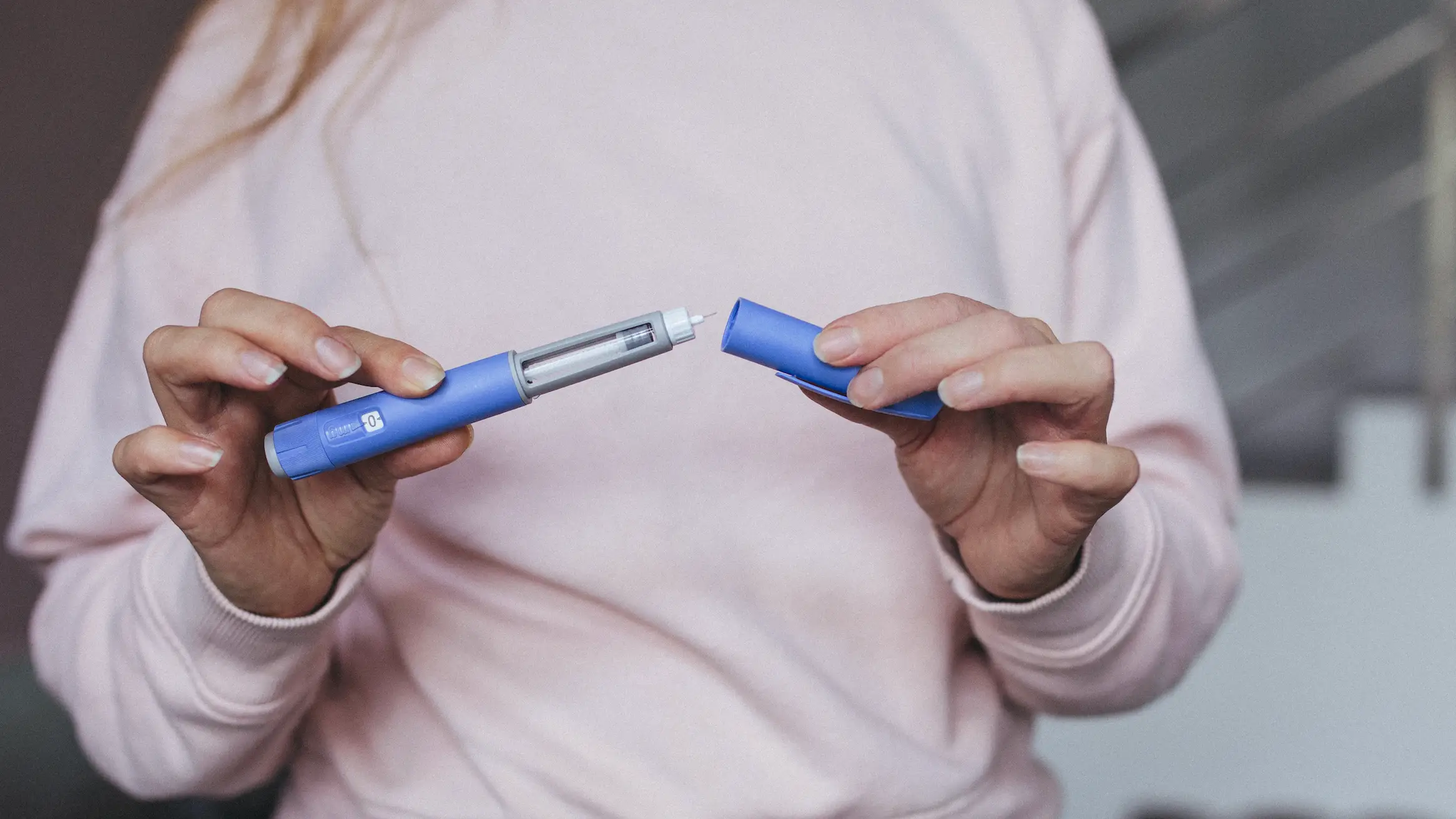
New study reveals how women found it easier to get 'hired' after losing weight using GLP-1 drugs

A new study has uncovered a "bleak" link between weight loss drugs like Ozempic and women's chances of landing a job or finding a partner, and the findings have left people stunned.
Harvard economics professor Rebecca Diamond decided to dig into the data after hearing anecdotally from friends that people treated them differently once they'd lost significant weight on a GLP-1 drug.
She told Business Insider: "I went to just look to see what the literature says on economic and social outcomes of these drugs. But I couldn't find a paper, which I was sort of shocked by."
So Diamond set about analysing a large dataset comparing GLP-1 users, non-users, and people who wanted to start using the drugs but hadn't yet. After controlling for factors including health and race, the results told an "uncomfortable story."
Advert
For women who weren't working, those who'd started GLP-1s were 27 percentage points more likely to land a job within 18 months than women who wanted to use the drugs but couldn't.
When it came to relationships, the gap was even bigger, women on GLP-1s were 29 percentage points more likely to move in with a partner or get married within the same 18-month window.

What did the study find about people already in jobs or relationships?
Interestingly, starting a GLP-1 made no difference at all to women who already had jobs or were already in relationships. Those already employed saw no boost to pay or hours, and women already partnered up were no more likely to stay together or split.
According to the study, the gains only showed up in situations involving a "first impression", getting hired for a new role, or meeting a new partner.
Diamond was careful not to call this clear proof of weight-based discrimination, noting health improvements from the drugs could explain part of the employment boost. But she found no significant change in mental health among participants, suggesting something else might be driving the shift, such as how strangers perceive women's bodies.
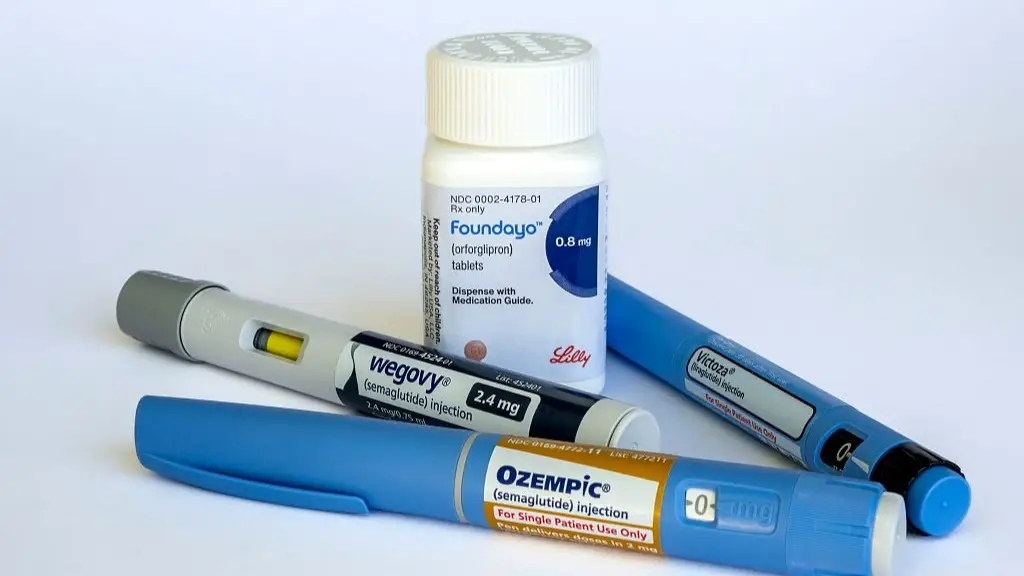
Are people being priced out of GLP-1s?
The study also flagged a troubling cost issue. Around 40% of the women using GLP-1s in the dataset were paying out of pocket, at roughly $300 a month, and those users tended to have the highest household incomes, while women who wanted the drugs but hadn't started had the lowest.
That's sparked concern the medication could end up widening inequality further, with wealthier women able to access the social and financial benefits of weight loss while others are priced out entirely.
The findings echo a 2023 survey by the Society for Human Resource Management, which found that around a quarter of HR professionals believed obese employees were more likely to be seen as unmotivated or lazy compared to slimmer colleagues.
 Thomas Bamford