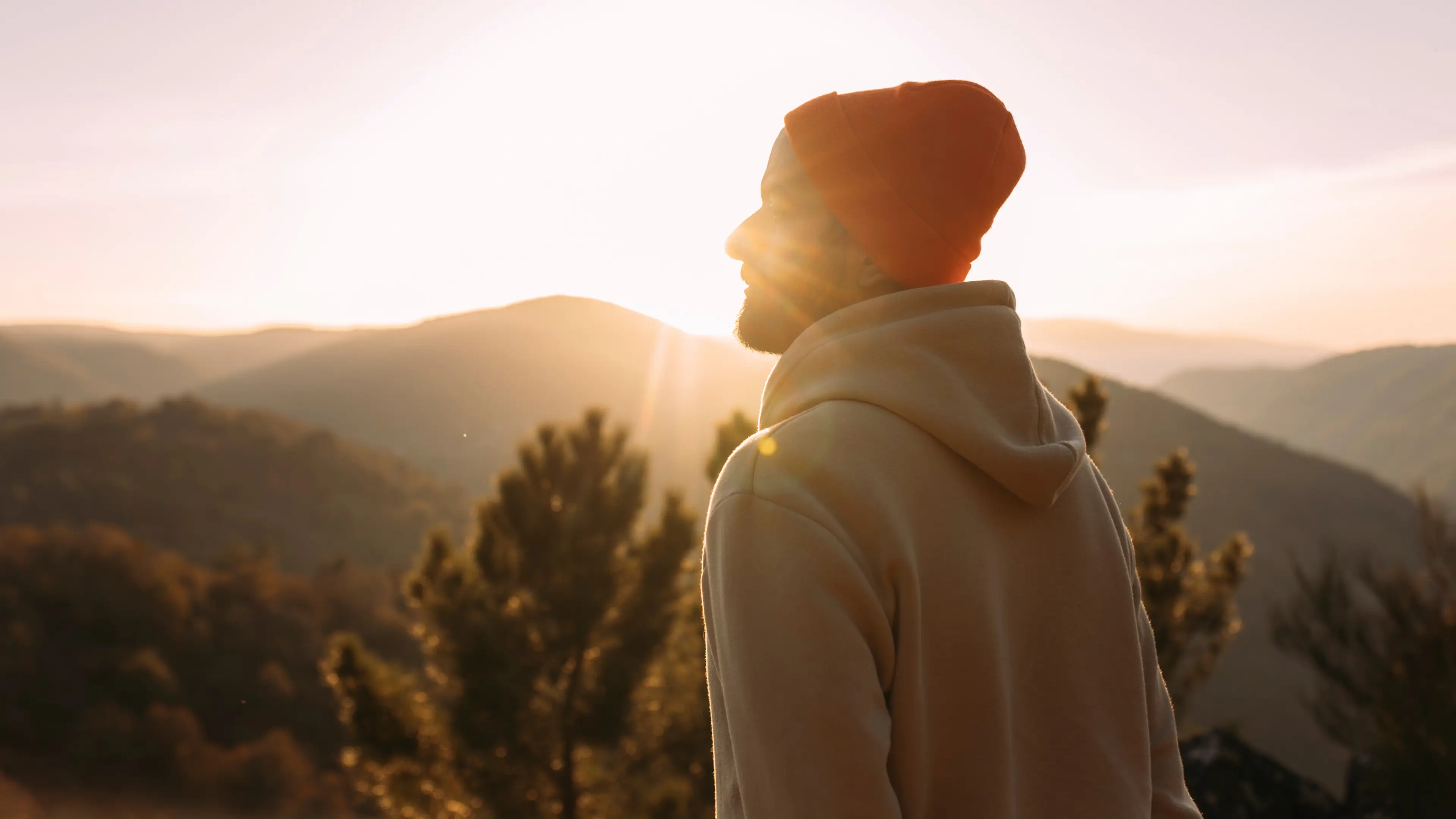
Why we should all get more natural light as study reveals surprising benefit

As the longest month of the year stretches on and our New Year's resolutions fall by the wayside, there's one change we should all be committing to this winter.
While the days are gradually getting longer in the northern hemisphere, the majority of us are still missing out on something pretty essential.
Dark, gray conditions and cold weather can, understandably, put us off heading outside, encouraging many of us to embrace the coziness of our homes instead.
And while there's nothing wrong with that, we're often losing out on our daily quota of natural light because of it.
Advert
We can't help the weather, of course, but a new study on type 2 diabetes patients has highlighted an unexpected benefit of exposing ourselves to natural light.
Researchers from the University of Geneva, the University Hospitals of Geneva, Maastricht University and the German Diabetes Center conducted a study with 13 older adults with type 2 diabetes.
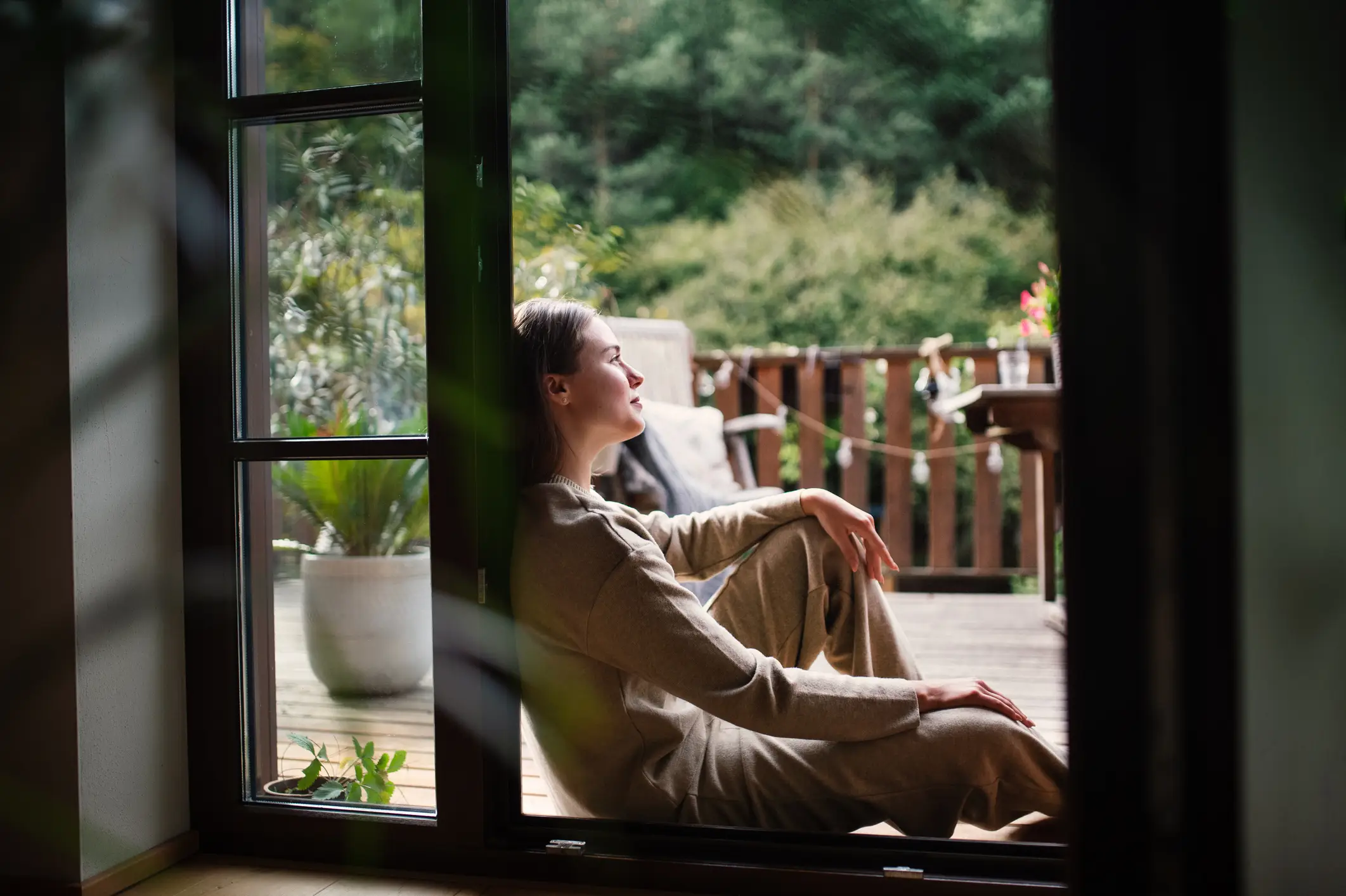
As part of the study, published in the Cell Metabolism journal, participants were exposed to both natural daylight and then later artificial light in identical living conditions.
It was found that natural daylight led to a number of benefits, including, most importantly for diabetes patients, more stable blood glucose levels and more time spent within normal glucose ranges.
So, blood sugar stayed steadier and healthier throughout the day, rather than swinging up and down.
Improved fat oxidative metabolism was also noted, which is when the body gets better at breaking down fat for energy, often nudged along by exercise.
Natural light exposure also saw slightly higher melatonin levels - the hormone needed to regulate sleep-wake cycles.

Although the study was small and short-term, it provides the first direct evidence that natural daylight benefits metabolic health in people with type 2 diabetes, compared to artificial lighting.
Joris Hoeks, study co-director and associate professor at Maastricht University, said: "We largely spend our days under artificial lighting, which has a lower light intensity and a narrower wavelength spectrum than natural light.
"Natural light is also more effective in synchronizing the biological clock with the environment. Could the lack of natural light be to blame for metabolic diseases such as type 2 diabetes?"
Even for people without diabetes, getting exposure to natural light can help boost both our mental and physical health.
From the Cell Metabolism study alone, we can conclude that natural light helps stabilize blood sugar levels, could improve our sleep schedule and could aid in metabolizing food faster.
According to Healthline, natural light boosts vitamin D production, 'a critical nutrient that prevents bone loss and reduces the risk of heart disease, weight gain, and various cancers'.
It can also play a part in keeping seasonal depression at bay. Not to mention, the very act of getting out and about, even when it's cold and dark out, can help get us out of a rut.
How to get more natural light?
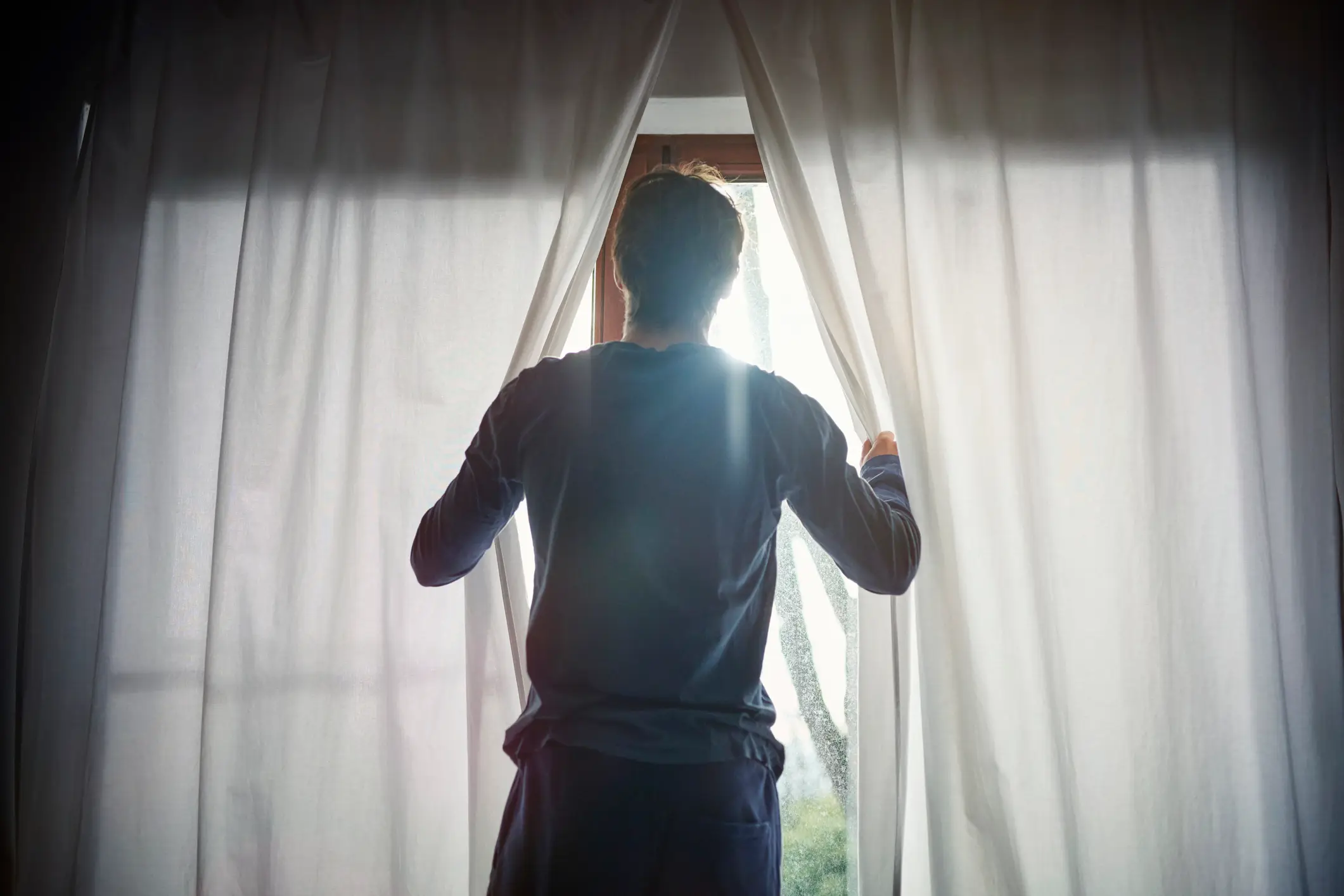
There are multiple ways to optimize your exposure to natural light, as Healthline highlights.
If you work or spend a lot of time at home, then use mirrors and reflective surfaces to bounce sunlight around a room and increase brightness.
Even metallic décor - like brass or silver items - enhance this effect.
Remember to open your blinds and properly draw back heavy curtains to let in more natural light.
When adding natural light isn’t possible, compensate by spending time outdoors whenever you can - including in the mornings and on your lunch breaks.
Exercising outside or near windows, or using light therapy lamps, are also recommended.
That's all the motivation I need to go for a brisk stroll next time the sun's shining...
Topics: Health, Nature, Weather, World News, Mental Health, Science
 Ellie Kemp