
Health expert reveals three reasons why you've been wanting to eat more recently

A health expert has explained exactly why most of us are craving more and more food at the moment.
As the temperatures drop and the dark nights get colder, perhaps you've found yourself wanting to do nothing but curl up on the couch and stuff your face with whatever sweat treats you can find. If that's you, you're not alone.
It's pretty common for our appetites to surge in the colder months.
And now, Dr Crystal Wyllie, from leading digital healthcare provider ZAVA, has broken down exactly what goes on in our bodies that make us crave more food during this period.
Advert
Turns out, it's three major factors that are response for these relentless cravings.
Firstly, she explains our bodies 'instinctively' seek more energy in order to maintain their core temperature.

"This often manifests as stronger cravings for calorie-loaded comfort foods, such as mac and cheese, creamy soups, or hot cocoa - all typically packed with sugar and fats that the body can convert quickly into warmth and energy."
Makes sense then, right?
Dr Wyllie continues: "Reduced sunlight also triggers dips in serotonin and dopamine, the neurotransmitters that regulate mood, making us more prone to fatigue, irritability, and seasonal affective disorder. Carbohydrates boost serotonin, which is why we reach for bread, pasta and chocolate when the days get darker."
So, it's actually our brain's way of compensating for lower mood and light levels, which can 'easily spiral into a cycle of overeating,' Dr Wyllie adds.
Our hormones also play a role. "Ghrelin, which stimulates hunger, rises, while leptin, which signals fullness, can drop due to disrupted sleep or less activity," Dr Wyllie says.
"Together, these shifts make us feel less satisfied after eating, so it's important to recognise these triggers and manage them mindfully.”
How to get a hold of winter cravings?
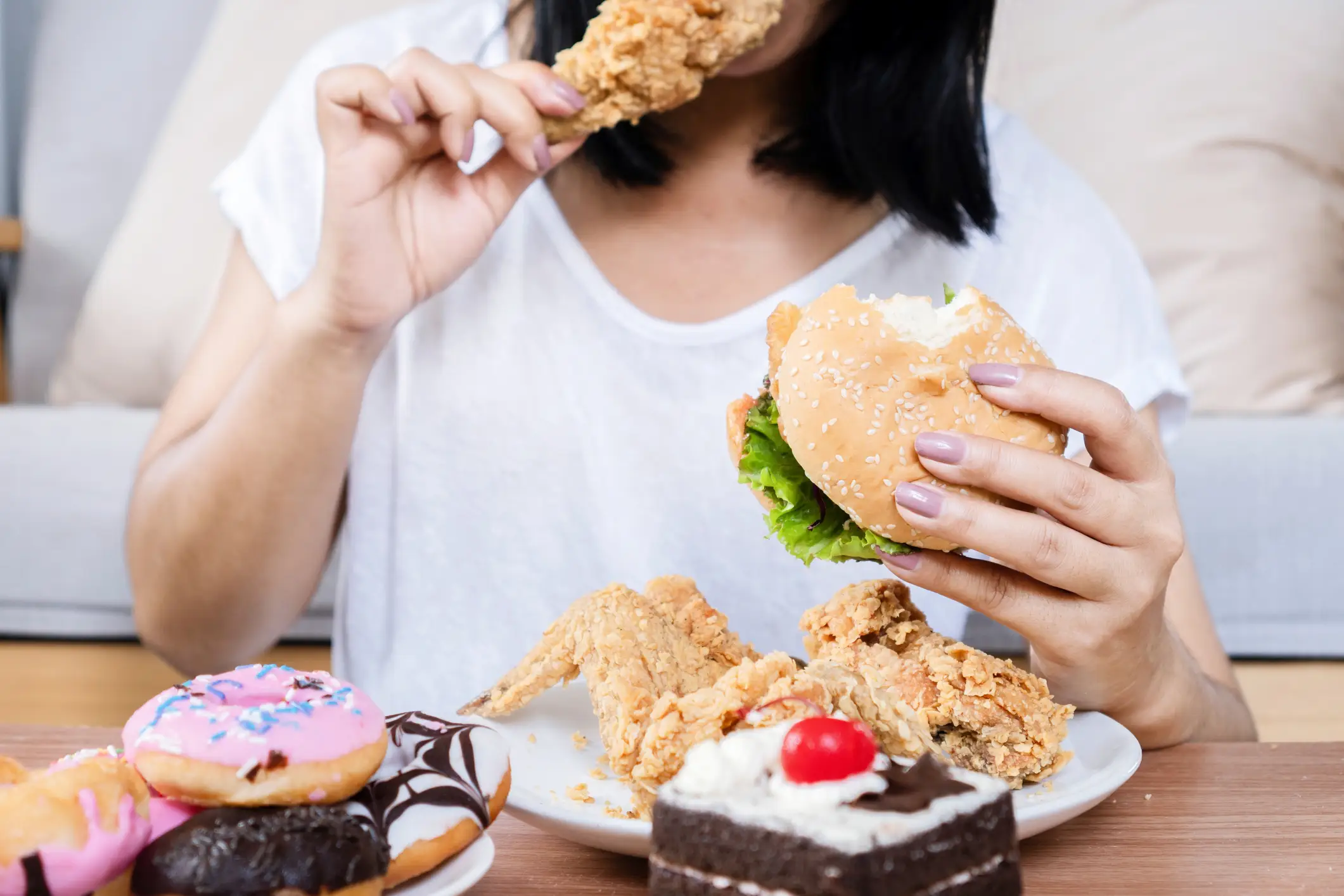
While our bodies do need some extra fuel during these cold, dark months, if, like me, you're sick of constantly reaching for the cookie jar, then there are some steps you can take.
Firstly, Dr Wyllie advises spicing up with meals with chilli, black pepper, cayenne pepper and even ginger - these can help increase fullness.
"The active compound in chilli peppers, capsaicin, has been shown to slightly boost metabolism and suppress hunger by activating the body's heat-production process," she adds.
Snacking on dark chocolate, with a cocoa percentage of 70 percent or higher, can also help.
Dr Wyllie also advises staying hydrated and starting your day with a high fiber breakfast are the ways forward.

"Consuming a protein-rich breakfast, such as eggs, Greek yoghurt, cottage cheese, or smoked salmon on whole-grain toast, not only helps curb cravings throughout the day but also stabilises blood sugar levels and prevents post-meal energy dips," she adds.
"Protein takes longer to digest than carbohydrates, keeping you fuller for longer."
Topics: Food and Drink, Health, Mental Health, Science, Weather
 Ellie Kemp