Detroit TV anchor Jamie Edmonds given breast cancer diagnosis after 'itch'

Warning: This article contains discussion of cancer which some readers may find distressing.
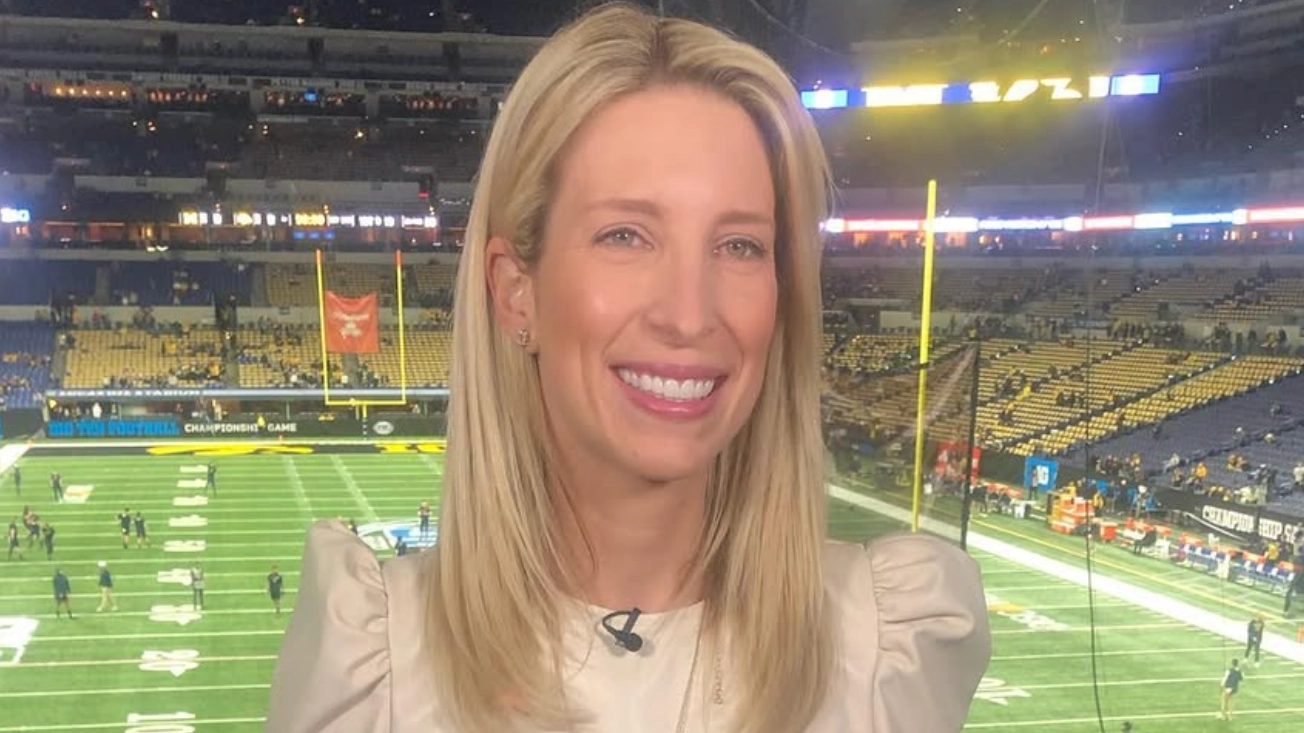
Anchor Jamie Edmonds has shared her cancer diagnosis, despite receiving clear mammogram results just six months ago.
The beloved Detroit broadcaster, 42, has announced that she has been diagnosed with breast cancer following a ‘gut-punching’ phone call with her doctor just two months ago.
The sportscaster, who has worked with WDIV-TV for over a decade, announced the devastating news on Instagram last week, where loyal listeners of her morning radio talk show flooded the comments with well wishes.
Advert
The mom-of-one revealed during a morning broadcast that the heartbreaking diagnosis came just six months following a mammogram that had come back clean in July 2025.
"Two months ago, I got the call that changed my life: 'your biopsy came back. It’s positive for breast cancer'," she wrote.
Following the initial shock, Edmonds described the moment reality set in, wondering whether she would be around for her young daughter in years to come.
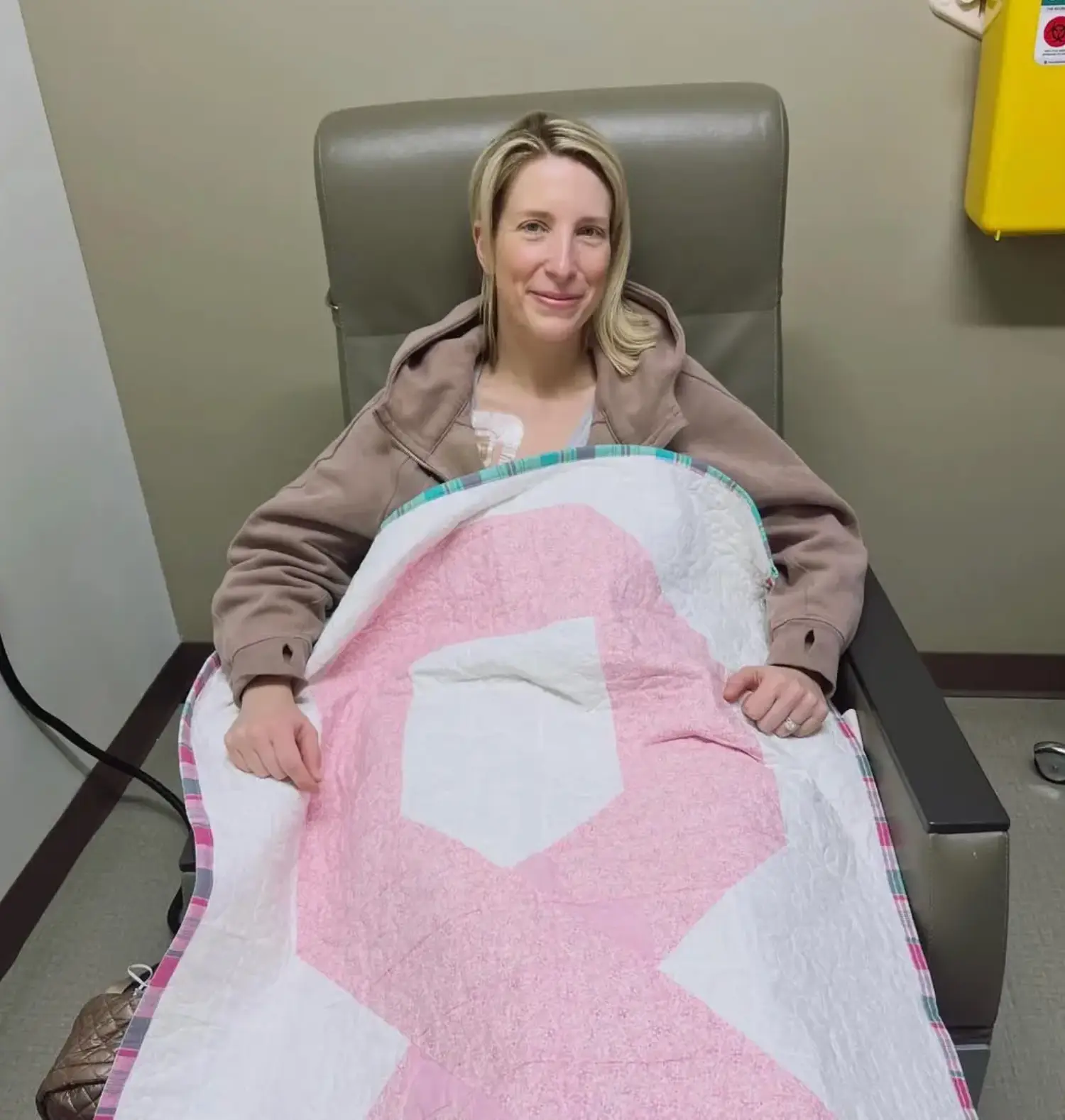
"Would the doctors be able to cure me? Why did this happen in the first place? I have no family history," she questioned.
It was months after her promising mammogram result that she felt an 'itch', and realized something wasn't right.
In an interview with JR Morning, she explained: "I had a clean mammogram in July, clean, and so I'm living my life, I'm thriving, and then I felt something that didn't feel right... it was just like I had an itch and I felt something."
Symptoms of breast cancer
The Mayo Clinic outlines how symptoms may include:
- A breast lump or thickened area of skin that feels different from the surrounding tissue
- A nipple that looks flattened or turns inward
- Changes in the color of the breast skin - in people with white skin, the breast skin may look pink or red and in people with brown and Black skin, the breast skin may look darker than the other skin on the chest or it may look red or purple
- Change in the size, shape or appearance of a breast
- Changes to the skin over the breast, such as skin that looks dimpled or looks like an orange peel
- Peeling, scaling, crusting or flaking of the skin on the breast

As she continued to open up about her diagnosis on Instagram, the TV star wrote: "Once you get the diagnosis, it’s a dark, dark time. It is scary, it’s dark. It’s going through the motions of life… it’s like you’re a ghost."
Edmonds noted that her family and friends have rallied around her following the sad news, cooking her meals and looking after her young daughter where needed.
But she also found comfort in other women who have shared their experiences with breast cancer.
"I didn't know this, but there is a network of survivors who band together to help the newest members of the club," she added.
"Strangers called and texted me. It was beautiful. I also consumed a lot of social media content of women with my same diagnosis. If they can do it, I can do it."
Following her diagnosis, the talk show host has taken a step back from her morning schedule, and has so far undergone six rounds of chemotherapy.
How to check for breast cancer at home
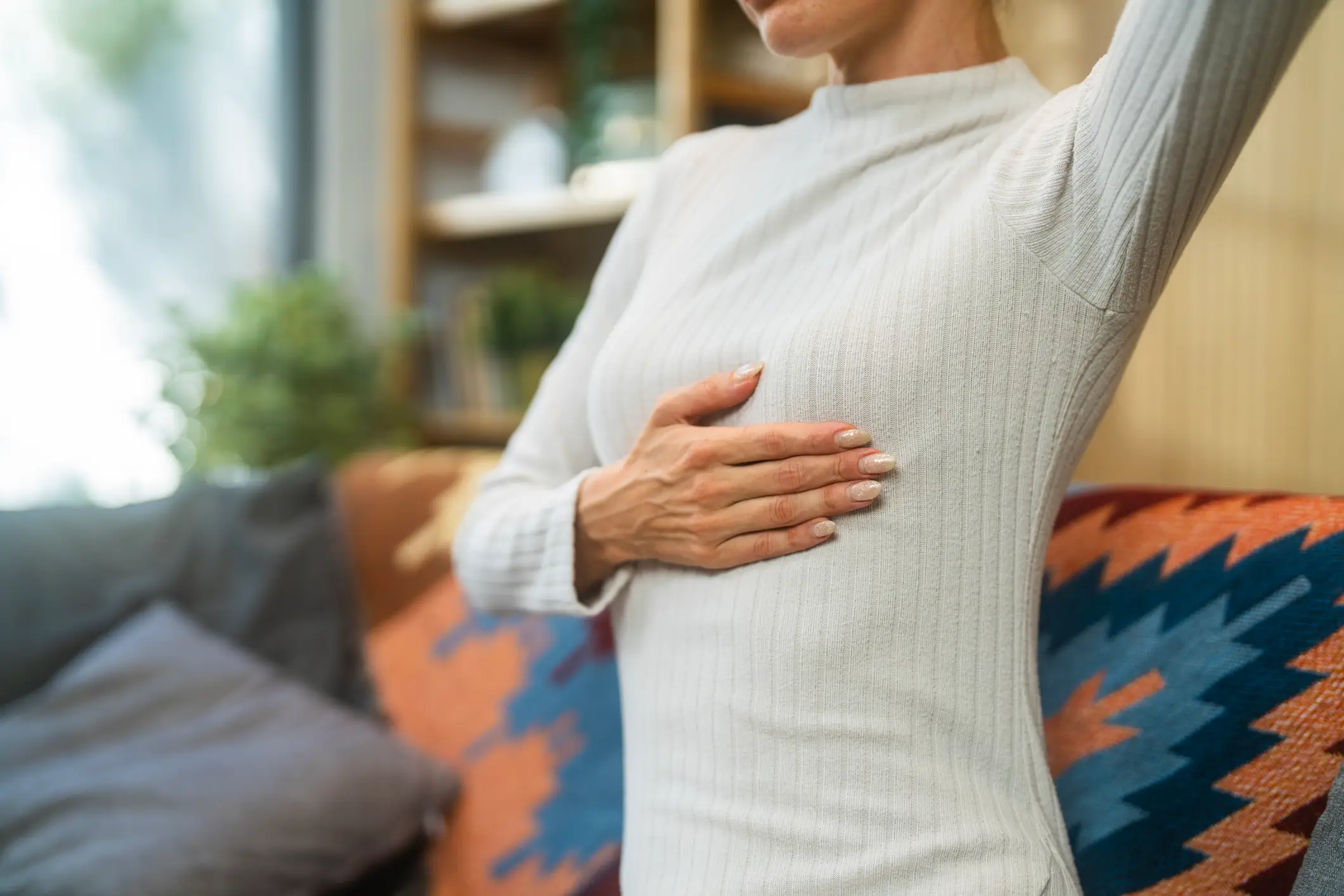
To check for breast cancer at home, it's important to conduct monthly visual inspections and physical exams to know what is normal for your body, focusing on identifying new lumps, skin changes, or nipple discharge.
The National Breast Cancer Foundation recommends to perform an exam three - five days after your period, or on a set day monthly if in menopause, using light and firm pressure to cover the entire breast, armpit, and collarbone area.
To properly examine yourself, you should check the entire breast and armpit area, pressing down with light, medium, and firm pressure. You should also visually inspect yourself in the mirror to observe any physical changes.
You can do this in the shower, in front of a mirror, or lying down - whatever is the most comfortable.
If you’ve been affected by any of these issues and want to speak to someone in confidence, contact the American Cancer Society on 1-800-227-2345 or via their live chat feature, available 24/7 every day of the year.
Topics: Breast cancer, Cancer, Health
 Mia Williams