UN official fears 'new HIV and AIDS epidemic is coming' and the world won't listen

A screening of a powerful new documentary about LGBTQ+ persecution left one UN official so shaken that she's spoken out about a danger she believes the world is about to sleepwalk into.
The film in question, Hunted: Kidnapped, blackmailed and tortured for being LGBTQ+, was shown at ICA London and documents a disturbing rise in violence in Nigeria, where members of the LGBTQ+ community are being entrapped, humiliated and extorted by gangs.
Footage of victims being abducted, beaten and then tortured is filmed and shared online, with devastating consequences for the victims.
Following the screening, a panel discussion was held featuring human rights activists, medical experts and Reverend Jide Macauley, founder of advocacy group House of Rainbow.
Advert
It was here that the conversation took a darker turn, moving from the horrors shown on screen to a warning about what could be coming next.
What is the new HIV and AIDS epidemic warning about?
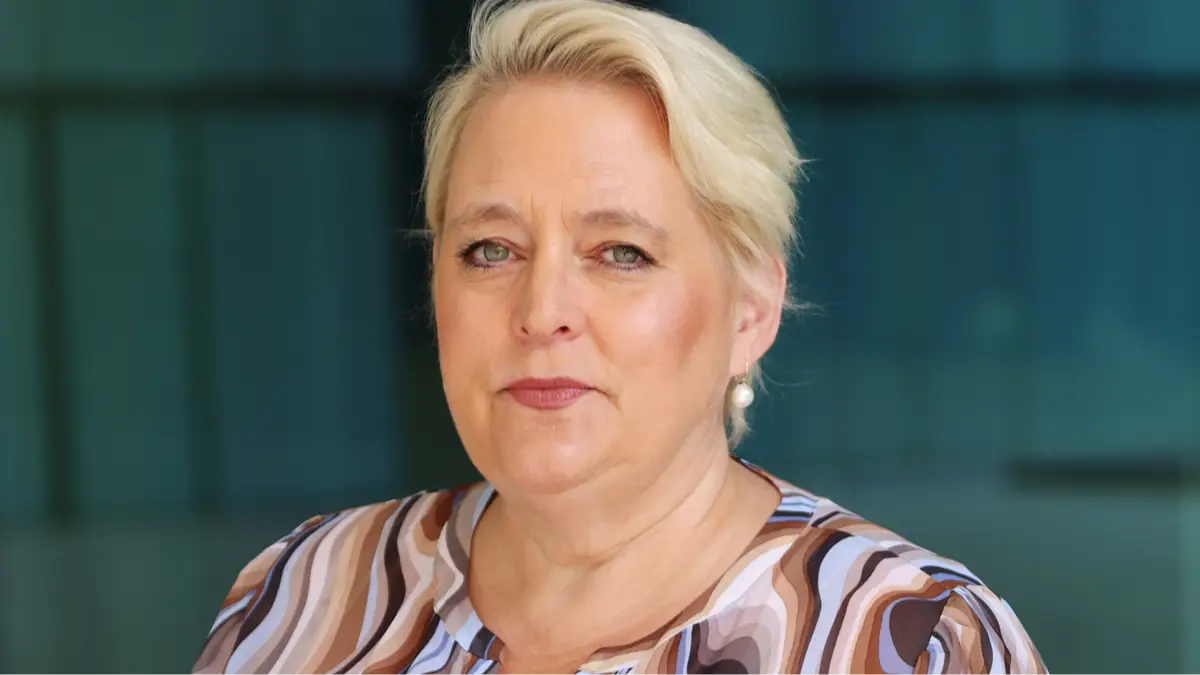
Christine Stegling, director of management and partnerships at UNAIDS, told the panel she fears aid cuts from the US, UK and other nations could trigger a brand new HIV and AIDS epidemic, and that the world simply won't care enough to stop it this time.
"In the 1990s, the 2000s, when we were all demonstrating to have access to treatment, when we said this is a disaster, people are dying, people cared, we got people to care, we called for all of this," she said, before adding that she doesn't believe the same global urgency would return.
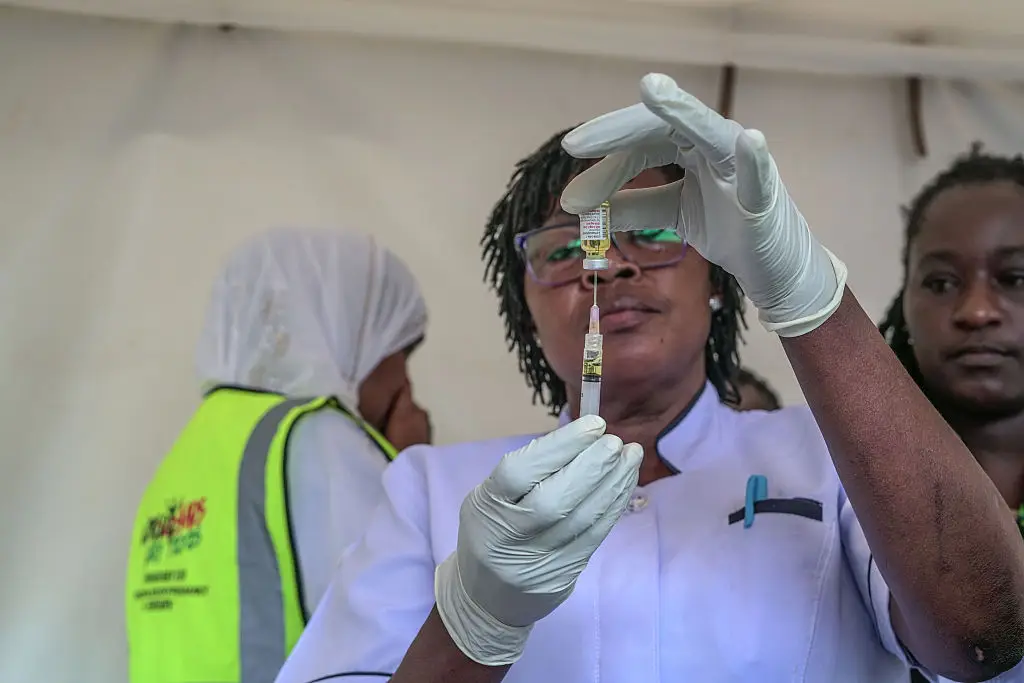
She said data was already showing people losing access to testing and treatment services, meaning many won't even know their HIV status before it's too late.
Why are aid cuts to HIV and AIDS programmes happening now?
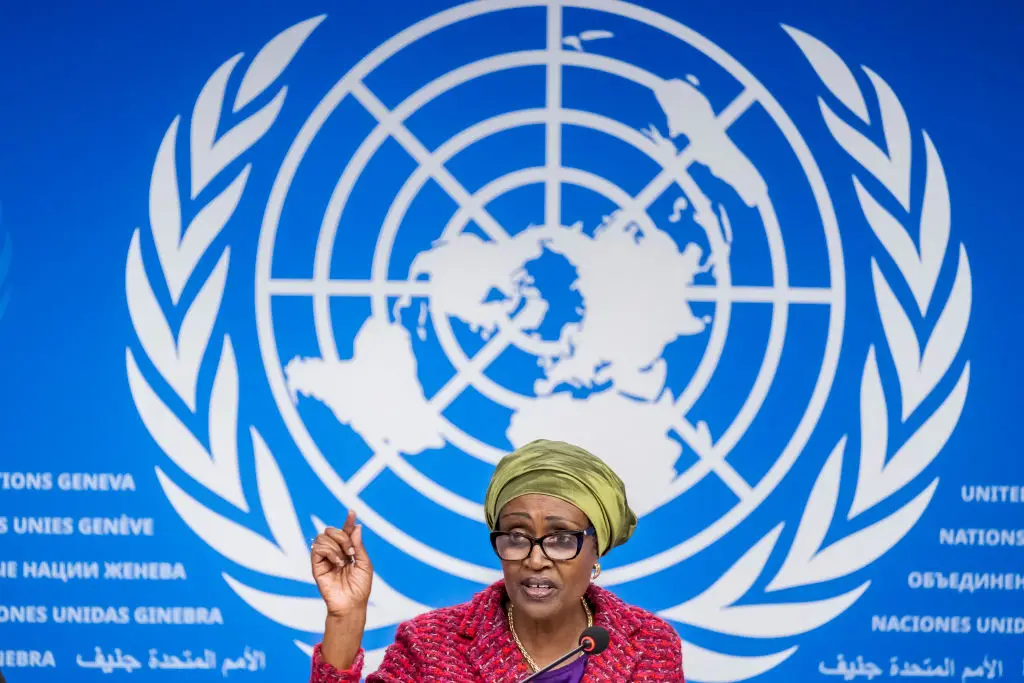
The warning comes after the US shuttered its main aid agency last year, taking billions of dollars away from projects worldwide, while the UK confirmed cuts of £150 million to the Global Fund, alongside a projected 56 per cent decline in UK support to Africa between 2026-27, and 2028-29.
The 2025 US foreign assistance freeze and subsequent restructuring under the America First Global Health Strategy caused severe disruptions to HIV prevention and care. The impact on South Africa and Uganda has been particularly acute due to their high HIV burdens and historical reliance on US President's Emergency Plan for AIDS Relief (PEPFAR) funding, according to Pub Med.
Charles Ssonko of Médecins Sans Frontières UK echoed the fear on the panel, saying the world risked returning to "those moments two decades ago when people were actually dying without hope."
Journalist Bel Trew, who reported the documentary, said survivors she'd spoken to were 'beyond brave' given the fear they live with, adding that the world "cannot turn its back on the most vulnerable at a critical moment."
 Thomas Bamford