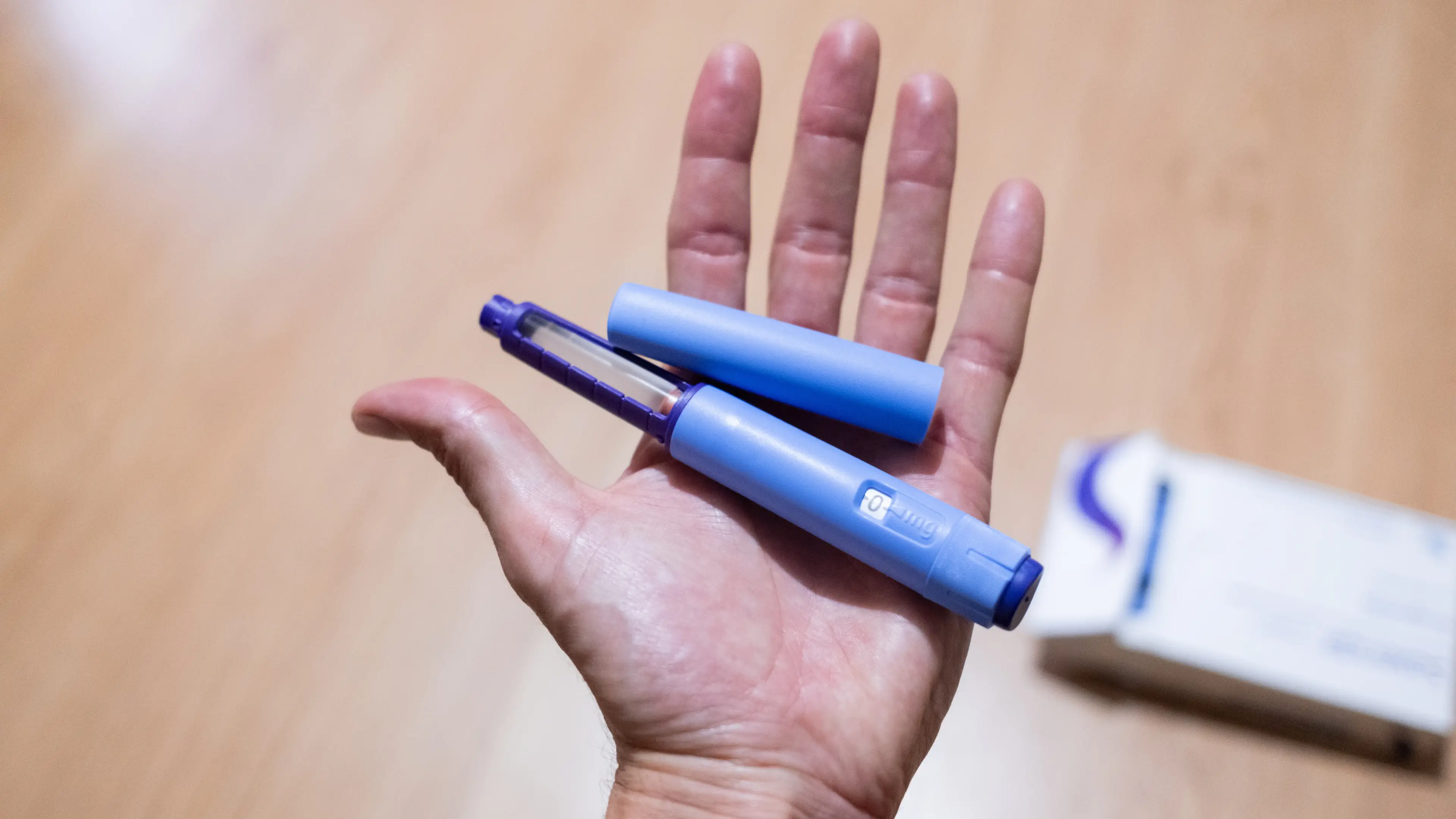
GLP-1 drugs could reduce the risk of people engaging in violent crimes, scientists find

A new study has found that GLP-1 drugs could be linked to an decreased risk of committing violent crime.
They were originally licensed for prescription for people with diabetes, but since then GLP-1 drugs have been credited with all manner of other effects.
The most widely-known is of course their assistance with weight loss, as one effect is that they can help someone to feel full after eating a smaller amount of food.
When combined with diet and exercise this can assist someone in losing weight.
Advert
That's not it though, as the medication has also been linked to benefits with heart disease as well as strokes.
But now, new research has suggested that GLP-1 drugs may be linked to a reduced risk of committing violent crime, the Daily Mail reports.
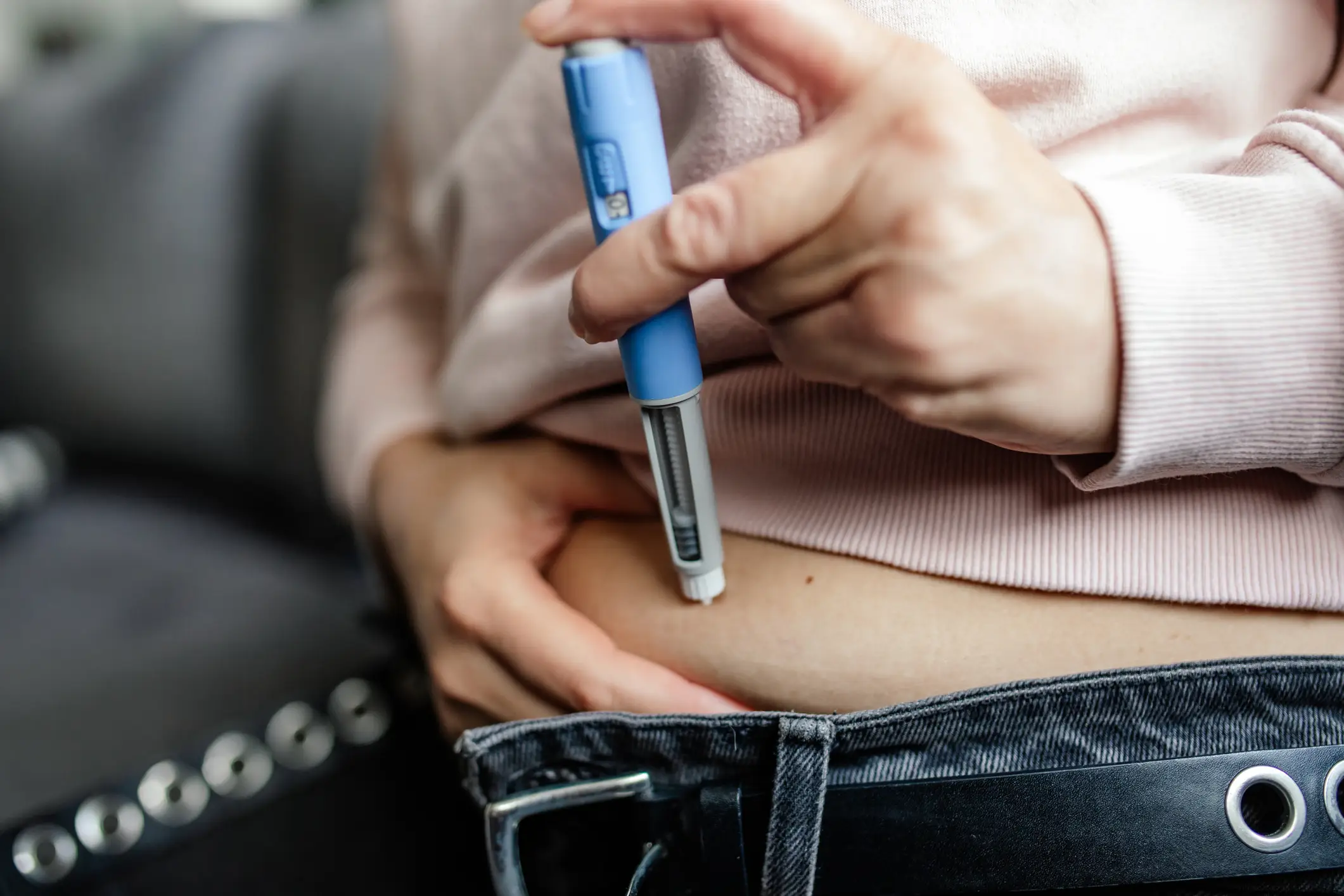
The study was published in the journal Criminology, which examined a connection between use of drugs and alcohol, and violent behavior.
This found a higher predilection towards violence in people who used drugs and alcohol, but when GLP-1 medication was factored in there was a difference.
Daniel Semenza is the lead author of the study, and said: "The strongest finding in the study was that the well-established link between impulsivity and violent behaviour was substantially weaker among current GLP-1 users compared to former users.
"As GLP-1 drugs become increasingly widespread, it is important to understand all of their potential behavioural effects, including those relevant to public safety."
A study featured researchers from Rutgers University in the US, which examined data from 7,521 people in the US, most of whom had used or were currently using a GLP-1 medication, and 821 of whom had not, and looked at looked at alcohol use, impulsivity, and violent behavior.
So what did it find?
Christopher Thomas is an assistant professor at Rutgers University-Camden, and is the coauthor of the study.
"Our findings are consistent with these medications working like cognitive behavioural therapy, weakening the path from impulse to action rather than eliminating impulsivity itself," he said.
Extraordinarily, it found that there was a 62 percent weaker correlation with people who were current users compared to former.
Meanwhile, for violence and alcohol use it was about 52 percent weaker with current patients taking GLP-1, and means that it may well suggest that GLP-1 could reduce the risk of violent behavior.
However, there is one issue as well.
The study was done based on observations and self-reporting, so while it could indicate something, more study will be needed.
UNILAD has approached representatives of Novo Nordisk for comment.
 Kit Roberts