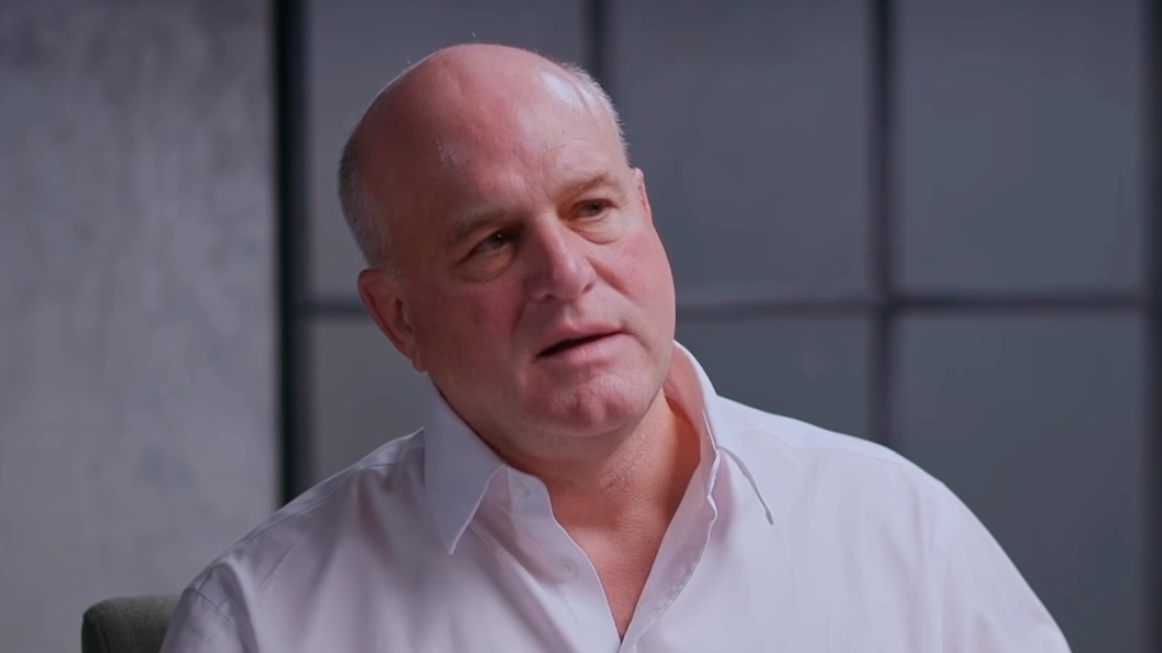
Doctor who interviewed 1,500 people before they died reveals what nearly 90% experience before death

A doctor who has interviewed nearly 1,500 people before they died reveals what over 90% of them experienced before their death.
Dr Christopher Kerr, a hospice physician, neurobiologist and CEO, has spent nearly three decades studying the psychological and spiritual experiences of the dying, with more than 1,500 patient interviews informing his findings.
Speaking on Diary of a CEO, Kerr explained that vivid dreams and visions are common among his patients as they near death. "The vast majority of people, nearly 90% of people start to have very intense dreams or visions," he said. "And the overriding theme is that they're seeing people who they've loved and who they've lost."
In the episode, Kerr, discusses the realities of dying and what the interviews reveal about human consciousness. He is also the author of the bestselling book Death is But A Dream: Finding Hope and Meaning at Life's End, which aims to destigmatize the dying process anf reframe how people understand the end of life.
Advert
His research on end-of-life dreams and visions challenges conventional medical views on morality and grief.
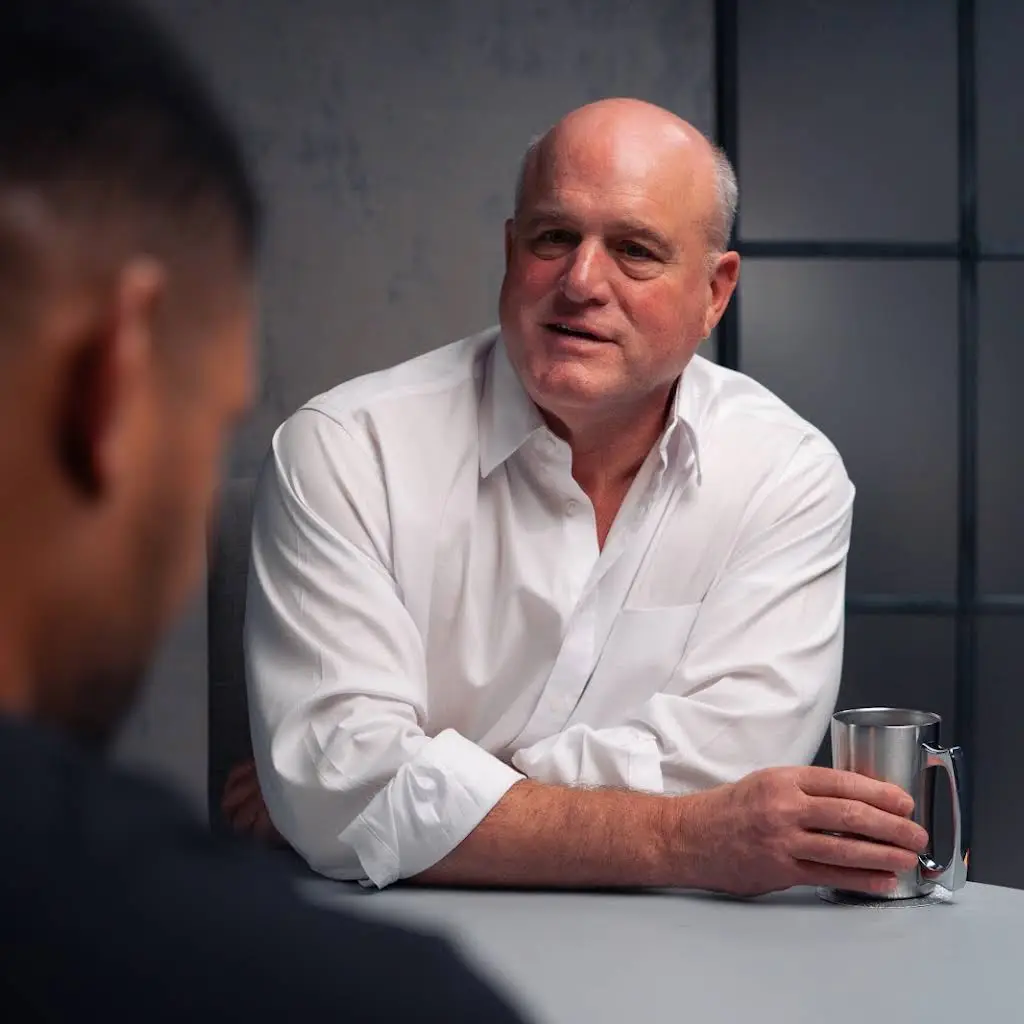
How real do end-of-life dreams feel to dying patients?
Kerr said the label matters to the people who have these experiences.
"When you ask them these sorts of questions, the thing that gets them most distressed is when you refer to them as dreams because these are unlike anything they've ever experienced," Kerr said.
"They're not dreams in the sense they're not metaphorical," he said. "They're not fantastical. They don't require interpretation. I've never had a patient say hey what do you think this means.
Instead, he said, patients are given a 'sense of knowing'. "So they have no doubt when we ask them to scale it 0 to 10 on the degree of realism it's always a 10."
"So these dreams never deny the fact that they're dying. They almost transcend it," Kerr said, adding that patients sometimes have trouble finding language for what they see but know how it leaves them feeling, which he described as 'kind of put back together'.
"And what's fascinating is when you measure what themes bring them the most comfort is seeing the deceased," he added.
Taken together, Kerr described experiences that are common among his patients, specific in the people they involve and rated by those patients as fully real.

When do dreams and visions happen before death?
Kerr described the process in terms of sleep, he said. "Dying is progressive sleep. Your sleep architecture changes, your sleep cycle changes, and ever more you start to have these kind of inner experiences."
"It makes sense, right, that as you're dying, you're going to be reflective, you're going to be introspective, and they usually become more prevalent towards the last kind of week or two of life," he said. He added that the frequency of these events increases as people approach death.
 Thomas Bamford