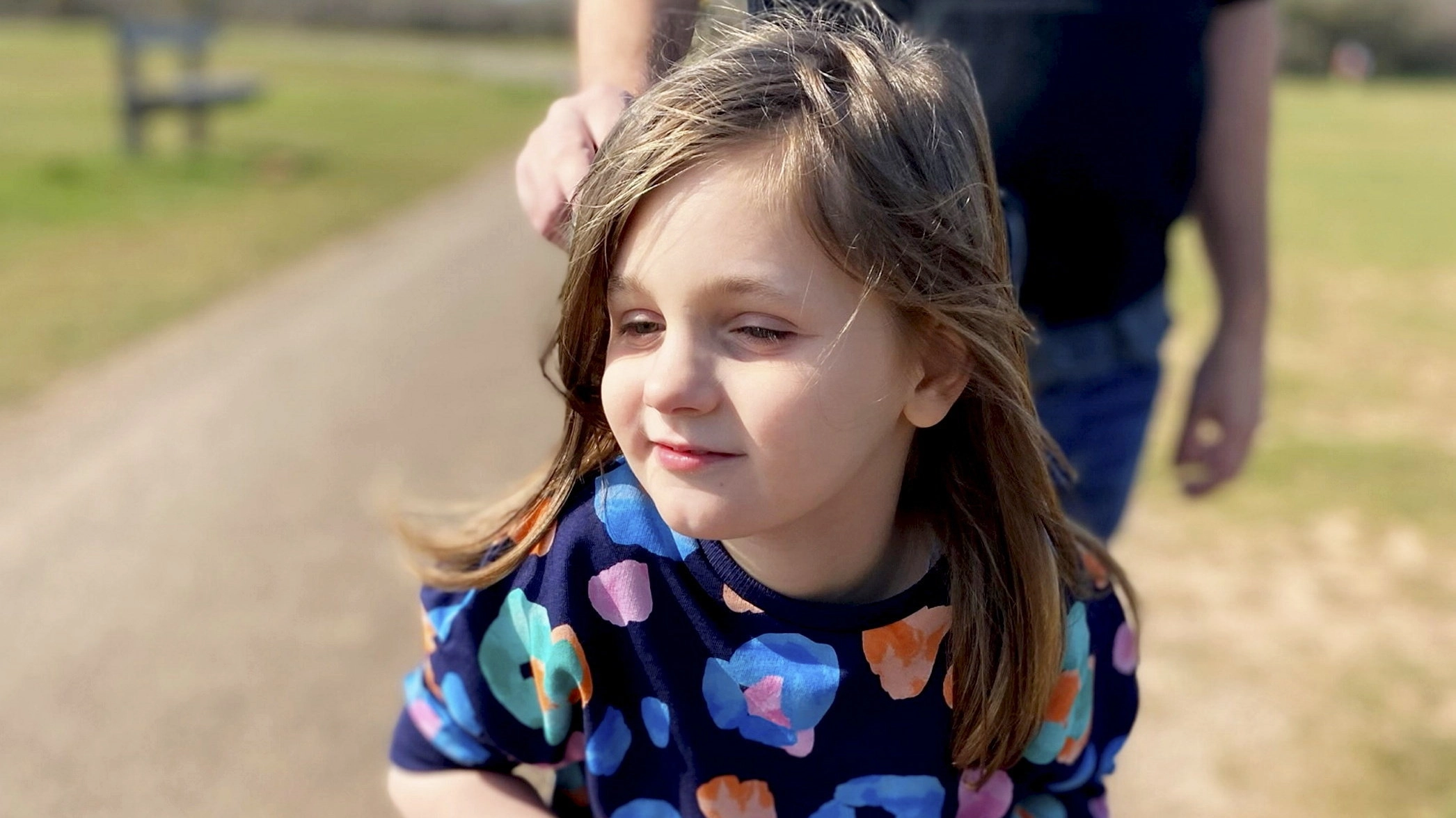
Parents knew something wasn’t right before daughter was diagnosed with rare condition that leaves her 'trapped in her body'

A little girl’s parents have detailed how they knew something wasn’t right before she was diagnosed with an incredibly rare condition.
Matilda Monerawela feels ‘trapped in her body’ after her diagnosis, but there were signs long before the 10-year-old was finally given her answer.
Her parents, Amy, 40, and Cian, 34, described what made them pause when looking at their little baby.
As little Matilda grew up, she started to fall over up to 40 times a day, and it was becoming a worry for the first time parents.
Advert
Amy explained that she ‘blamed herself’ when the doting parents saw that Matilda was developmentally delayed as a baby.
She said: “She didn't smile at me, she didn't look at me. It was really difficult to form a bond with her because it felt like it one way.
“As parents, you feel like you're doing something wrong, so you blame yourself.
“You go to the parent groups and the baby groups and all the babies are doing these lovely things like rolling and crawling and sitting up and your baby's not doing any of it. It was very, very isolating, very lonely and very scary.”
After talking to doctors from the age of one onwards, they received a shocking result to a exome test when she was three. However, her condition was a ‘mystery’ after an MRI of the brain showed no sign of injury.
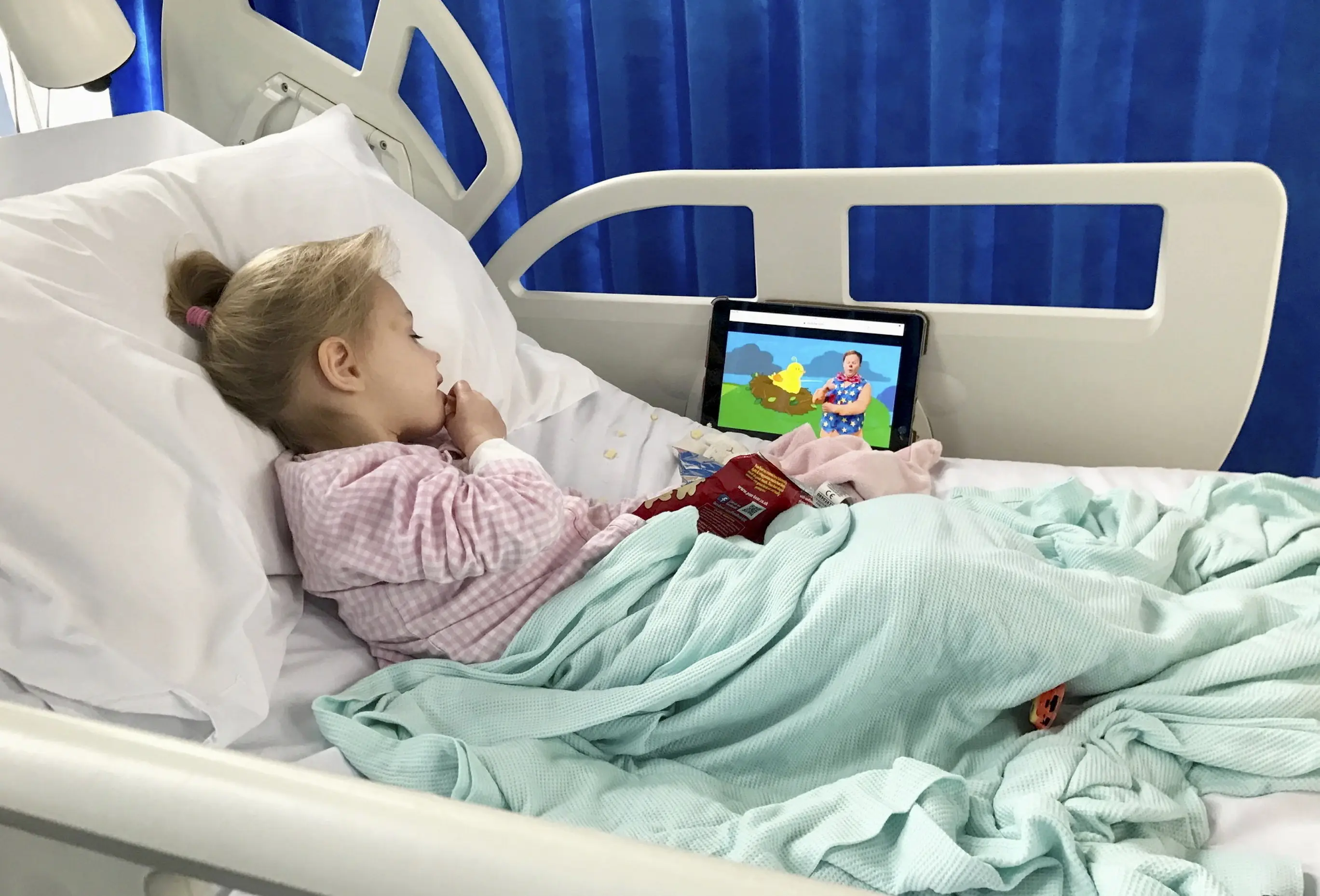
Amy said: “This was when the fight began. The fight is ongoing, a daily struggle.”
Matilda took her first steps aged three and a half but because of spasticity in her legs, she would fall up to 30 to 40 times a day, leading to injuries.
After two years of wondering what was happening to their baby, it turned out that Matilda was born with a gene mutation.
But the battle was only just beginning.
As it turns out, Matilda was born with a rare syndrome, which was discovered to have been caused by mutations in the CTNNB1 gene.
This gene is what provides the body with instructions for making a protein for cell development.
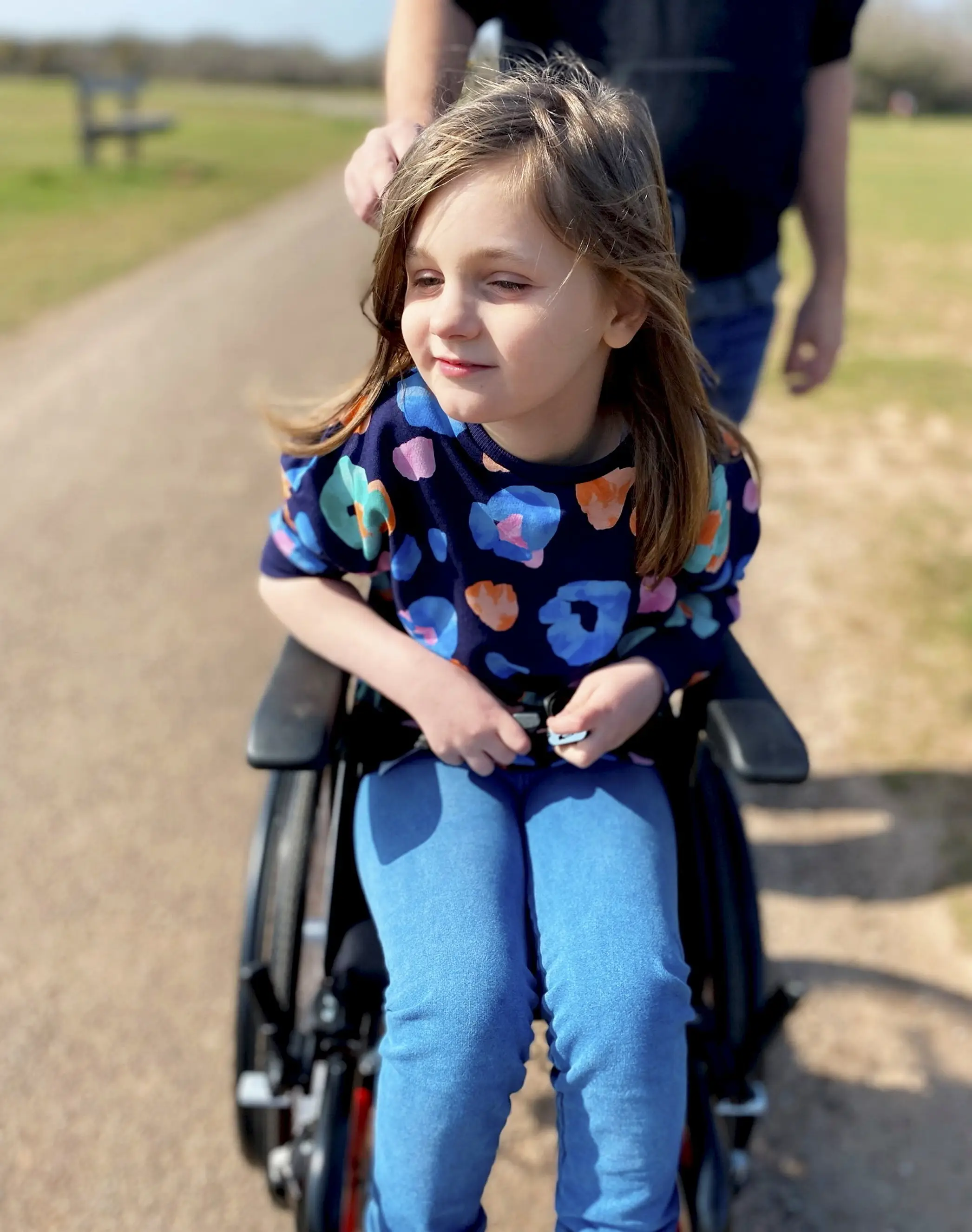
This caused a neurodevelopmental disorder, which has left Matilda unable to care for herself, she struggles with communication, requires 24-hour care, uses a wheelchair as it is too painful for her to walk and she also has ‘dangerously violent’ outbursts.
However, the family are hopeful that something could help her in the form of gene therapy.
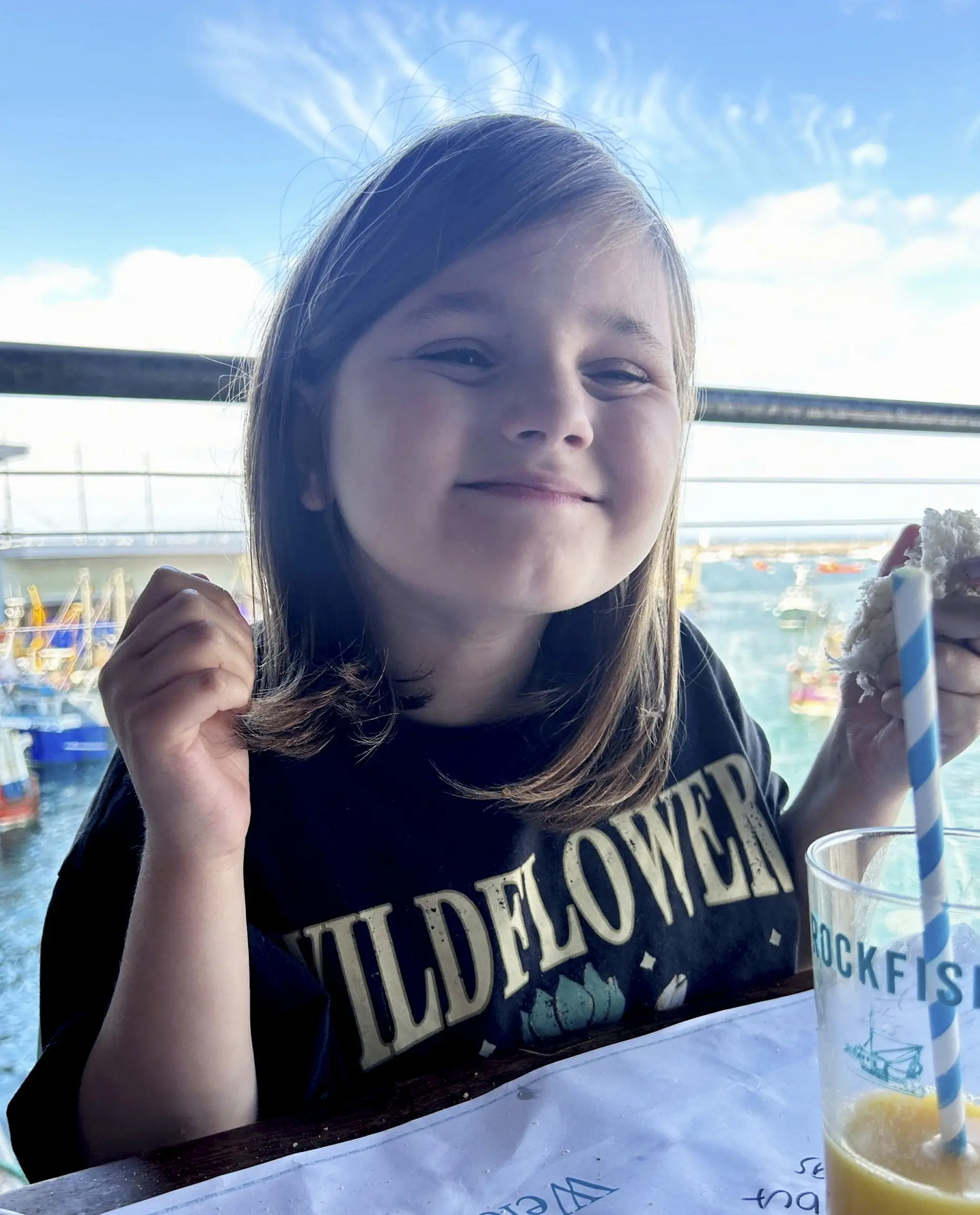
This has led her parents to begin fundraising to help a life changing drug get to clinical trials, as if it works, it could help Matilda to walk and talk.
The CTNNB1 foundation need £1m ($1,293,805) to move the treatment into clinical trials, which is why Amy has set up a GoFundMe to raise £45,000 to fund the ‘final step’.
In this gene replacement therapy and hopes that, if the new drug is successful, Matilda may not have to move into a residential school and can stay living with her family.
The condition Matilda has, is only seen in 430 around the world.
Amy said: “It will help future children. And if a child is born and they're not really sure why they're not developing properly, if you give this to a baby and it works to fix the faulty gene, you would be looking at a full recovery.
“It is not just for Matilda, it is for so many other children. They deserve a life that is free of pain and full of opportunity.”
Known as CTNNB1 syndrome, it still isn’t fully understood due to how little cases there are.

Amy said of how Matilda lives: "A lot of what she does is really held back by her body.
"She is trapped in her body.
“She wants to be like everybody else.
"We want her to be able to go out in the world and do what she wants to do without being reliant on other people.
"And if it works, even if she can regain 50% of her functioning. That could mean that she could have a normal life.”
As for her pregnancy, she says it was normal except that they noticed Matilda’s head was very small.
Then, they had to opt for an induction on January 6, 2015 after Matilda's heart rate slowed to ‘dangerous rates’.
Amy said: “We were always certain in the beginning when her development wasn't quite right, that she had cerebral palsy and that it was birth damage, because when she was born, she was quite lethargic and she didn't cry.
“In hindsight, things were wrong from the day she was born.”
 Britt Jones