
Symptoms of HIV explained as experts warn of 3.3 million new cases

These are the symptoms of HIV as experts warn a 3.3 million case surge is on the horizon.
AIDs was first identified in 1981 when the Centers for Disease Control and Prevention (CDC) reported the first cases in the United States.
The virus that causes AIDS, called the human immunodeficiency virus, better known as HIV, was identified in 1983.
Queen frontman Freddie Mercury, Brady Bunch star Robert Reed and actor Charlie Sheen are among the celebrities who went public about their diagnoses.
Advert
While initially considered a death sentence, AIDs can now be managed to the point that it's undetectable and untransmittable.
Fortunately, those who contract the disease can still go on to live long, healthy lives.
A highly effective antiretroviral therapy, known as ART, helps to stop HIV from reproducing.
Meanwhile, people can take PrEP pills, first introduced in 2012, to help prevent HIV.
Despite the progress, UNAIDS, the UN's joint Aids prevention programme, has warned some 3.3 million additional HIV cases could emerge in the next five years.
This is because the global response to HIV has seen its largest setback in decades, thanks to cuts to funding worldwide.
What is AIDS?
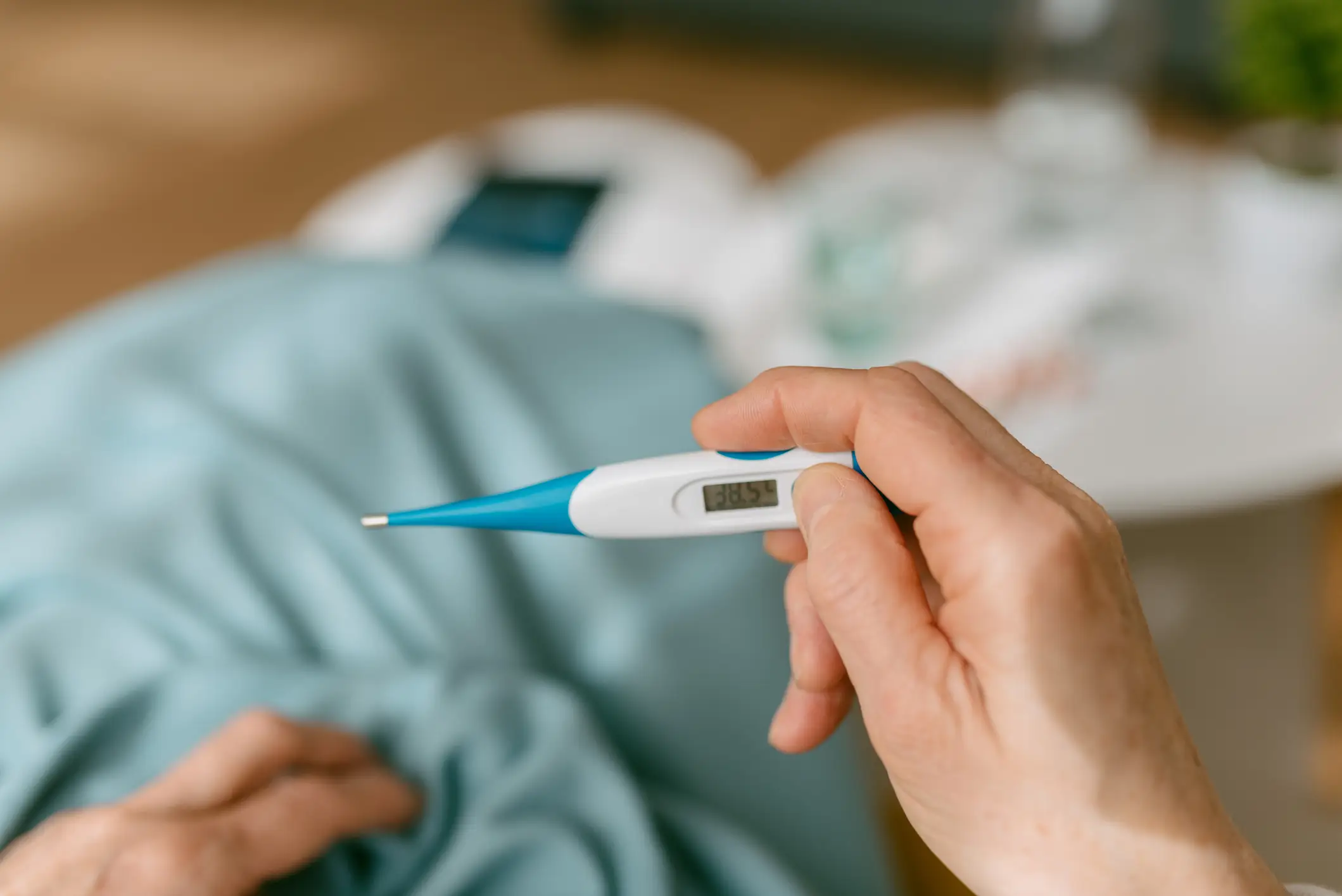
AIDS stands for acquired immunodeficiency syndrome. It's a long-term condition, caused by the HIV virus.
The National Institute of Health explains that HIV attacks and destroys the infection-fighting CD4 cells, known as CD4 T lymphocytes, of the immune system.
The loss of CD4 cells makes it difficult for the body to fight off infections, illnesses, and certain cancers.
It is spread via direct contact with certain body fluids from a person with HIV who has a detectable viral load, HIV.gov reports.
These fluids include blood, semen (cum) and pre-seminal fluid (pre-cum), rectal fluids, vaginal fluids and breast milk.
Symptoms of AIDS
HIV progresses through four general phases, each with its own pattern of symptoms.
The severity and timing of symptoms can vary from person to person.
Primary HIV Infection
As per Mayo Clinic, symptoms of an initial HIV infection can crop up between two and four weeks after exposure, lasting from days to weeks.
Many people experience flu-like symptoms, but for some, symptoms are so mild they don't even notice.
At this point, a patients viral load is extremely high, making this stage highly contagious.
Common symptoms include
- Fever
- Headache
- Muscle/joint aches
- Rash
- Sore throat and mouth sores
- Swollen lymph nodes (especially neck)
- Diarrhea
- Weight loss
- Cough
- Night sweats
Chronic HIV

The second stage, known as chronic HIV, can last many years without treatment.
This is when HIV is still active but reproduces at lower levels.
Most people have no symptoms, but the immune system is slowly weakening.
Without treatment, this stage can last between eight to 10 years.
With ART, this stage can last decades, and viral load can stay undetectable.
Symptomatic HIV Infection
The next stage progresses as HIV continues to damage immune cells (CD4 cells).
This is when the immune system is weakened enough that mild to moderate infections start appearing.
Symptoms are usually persistent or recurring and can include:
- Fever
- Fatigue
- Swollen lymph nodes
- Diarrhea
- Weight loss
- Thrush (oral yeast infection)
- Shingles
- Pneumonia
AIDs
The final stage, AIDs, occurs when the CD4 count becomes very low and the immune system is severely damaged.
The body becomes vulnerable to 'opportunistic' infections or cancers that a healthy immune system would normally fight off.
Symptoms may include:
- Persistent fever
- Chills and sweats
- Ongoing diarrhea
- Swollen lymph nodes
- White patches in the mouth
- Severe fatigue and weakness
- Rapid, unexplained weight loss
- Skin rashes or bumps
With modern treatment, most people never reach AIDs.
If you’ve been affected by any of these issues and want to speak to someone in confidence, contact the Terrance Higgins Trust on 0808 802 1221 for support, advice and information. The line is open 10am to 6pm Monday to Friday. Or email them at [email protected].
Topics: Health, US News, World News, Science, Sex and Relationships
 Ellie Kemp