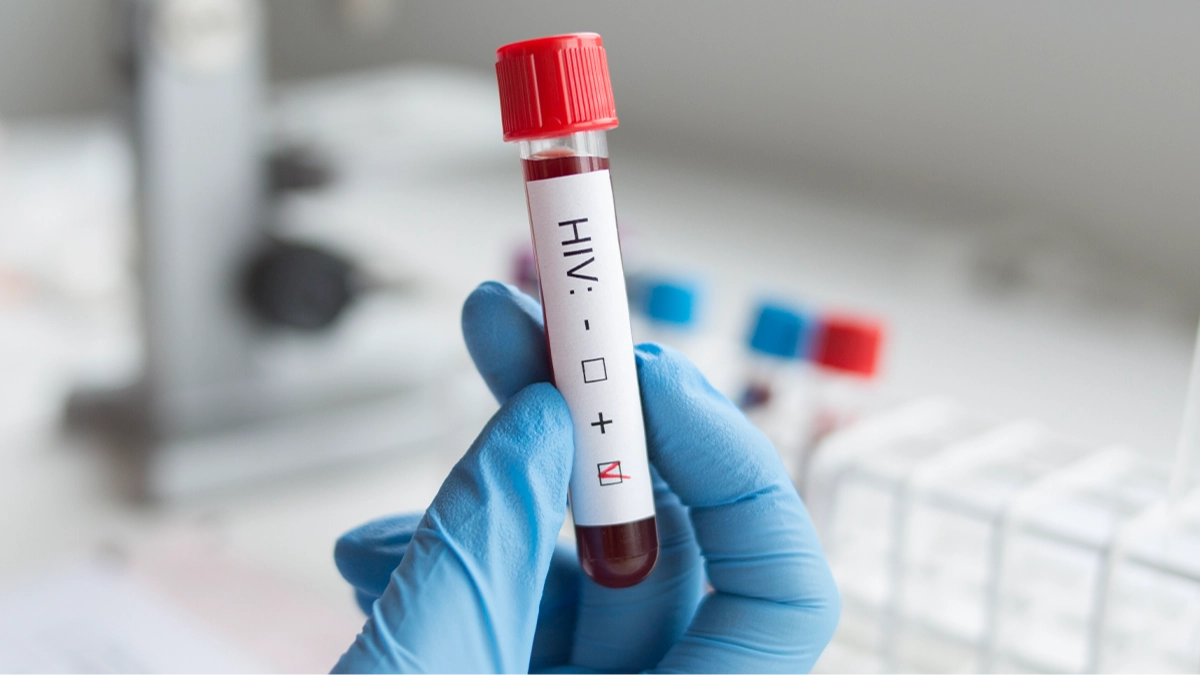
Difference between HIV and AIDs as experts warn of 3.3 million new cases

As experts warn that we might be facing an additional HIV infection by 2030, some people might be left wondering what the difference is between HIV and AIDs.
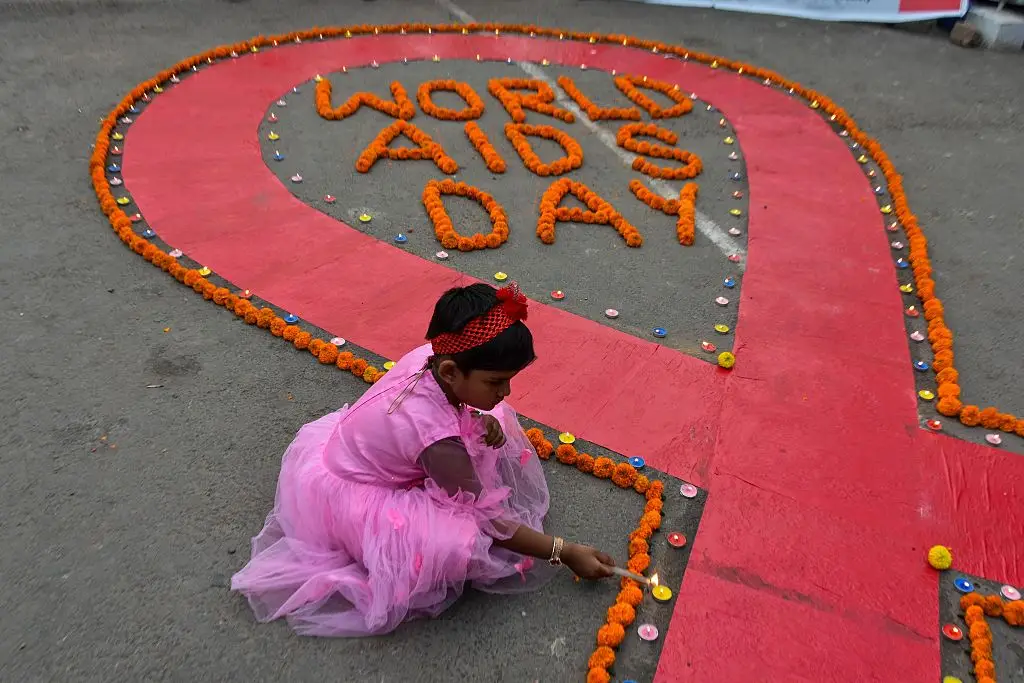
Monday (December 1) marked World AIDs Day and UNAIDs, the leading United Nations organization for the global response to the HIV/AIDS epidemic, issued a stark warning to people across the globe.
Winnie Byanyima, Executive Director of UNAIDS, said in a press release: "The funding crisis has exposed the fragility of the progress we fought so hard to achieve.
"Behind every data point in this report are people—babies and children missed for HIV screening or early HIV diagnosis, young women cut off from prevention support, and communities suddenly left without services and care. We cannot abandon them. We must overcome this disruption and transform the AIDS response."
Advert
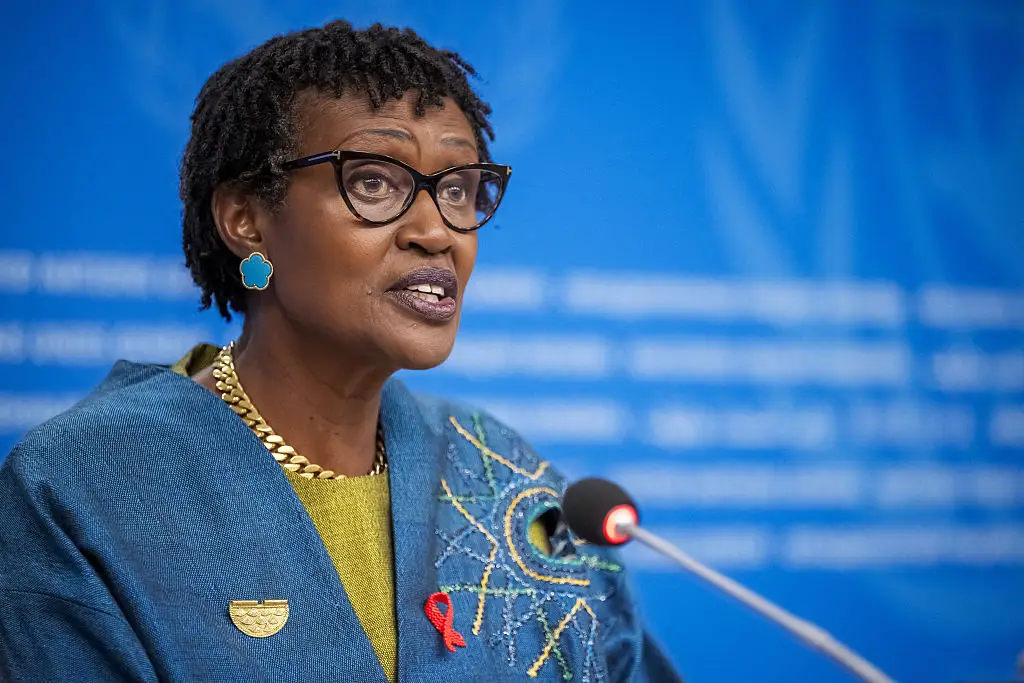
The release added that there could be an additional 3.3 million HIV infections by 2030 if the targets of the 2026-2031 Global AIDs Strategy are not reached.
But what's the difference between AIDs and HIV? Well, HIV stands for human immunodeficiency virus while AIDs is an abbreviation of acquired immune deficiency syndrome.
"HIV belongs to a group of viruses called retroviruses," Aidsmap explained, "HIV attacks white blood cells within the immune system. These cells will stay infected for the rest of their lives."
If HIV is left untreated, it can then develop into AIDs.
Defining AIDs, the website states: "It is an umbrella term for the illnesses that occur due to having untreated HIV infection for several years, by which point the immune system is severely damaged and unable to fight off infections.
"The illnesses and symptoms will vary for each person that has AIDS, but may include life-threatening infections and cancers."
While every person who has AIDs has HIV, not everyone with HIV will develop AIDs, with the help of modern medicine.
Things like antiretroviral medications (ARV) can stop the spread of the virus, but do not cure it. It can, however, help a person's HIV reach undetectable levels and keep their immune system healthy.
A lot of people with HIV will take this medication via a single daily pill or a shot each month or every two months, says Cleveland Clinic.
With the help of medications like these, those with HIV can live just as long as a person who isn't HIV positive, providing that they're 'diagnosed in good time, have good access to medical care, and are able to adhere to their HIV treatment', says Aidsmap.
If you’ve been affected by any of these issues and want to speak to someone in confidence, you can find a list of state hotlines for HIV and AIDs here.
Topics: Health, News, World News
 Niamh Shackleton