Death investigator reveals trait she considers the ‘basis of evil’ after coming face-to-face with serial killers

A former death investigator who examined thousands of bodies during her career has revealed the one trait she believes lies at the heart of evil.
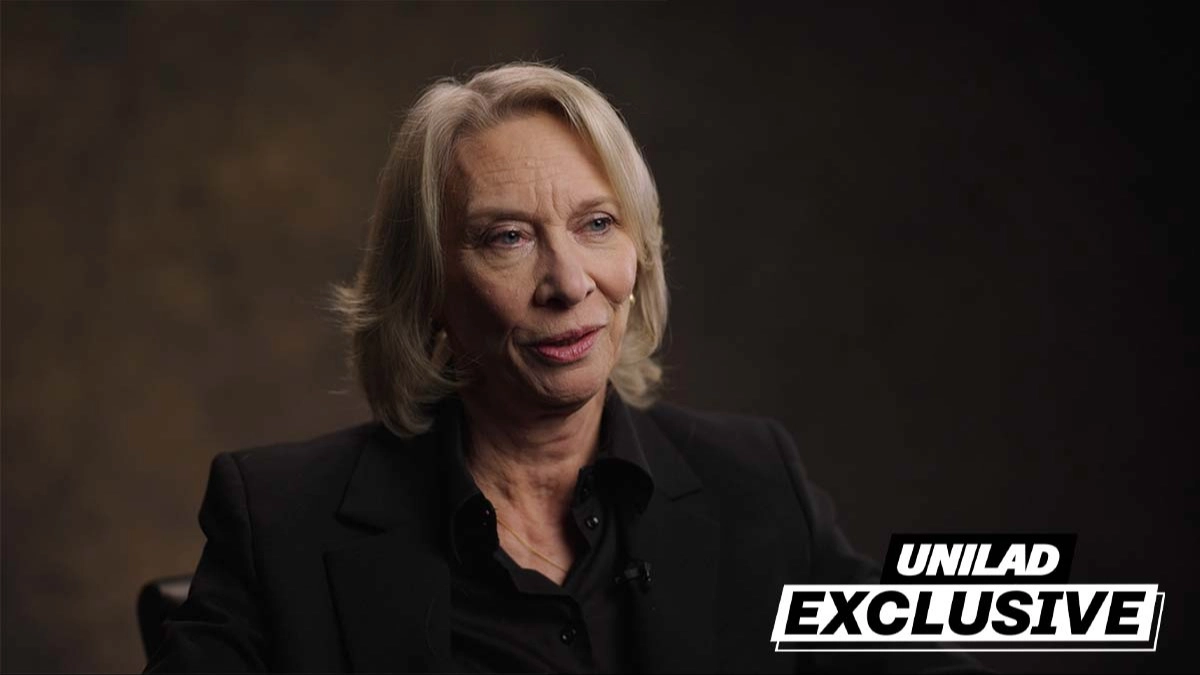
Barbara Butcher spent years investigating deaths for the New York City Office of Chief Medical Examiner, coming face-to-face with some of the most disturbing crimes imaginable, including murders committed by serial killers.
Over the course of her career, she investigated approximately 5,500 deaths, including 680 homicides over a ten-year period, with even more cases following afterwards.
Advert
And while she's encountered plenty of people who have committed horrific acts, Butcher believes there's one particularly unsettling characteristic that connects them.
Speaking on LADbible's Minutes With series, she explained that her experiences investigating serial killers had shaped her understanding of what evil really means.
"I certainly believe in evil, and I've seen it and probably most, blatantly is in working with serial killers," she said.
One of the cases that particularly stuck with her involved a man who had murdered young girls. Butcher was required to collect his blood and hair samples for DNA testing after a hair had been discovered on one of his victims.
However, when the suspect was brought in, his appearance and demeanour were not what she had anticipated.
"He was rather nice looking," she recalled. Describing their interaction, she added: "He was charming. He was well-spoken, intelligent, decent looking and charming."
In fact, Butcher was struck by just how approachable he seemed, particularly when he looked up at her. She believes this charm could have played a significant role in allowing him to manipulate his victims.
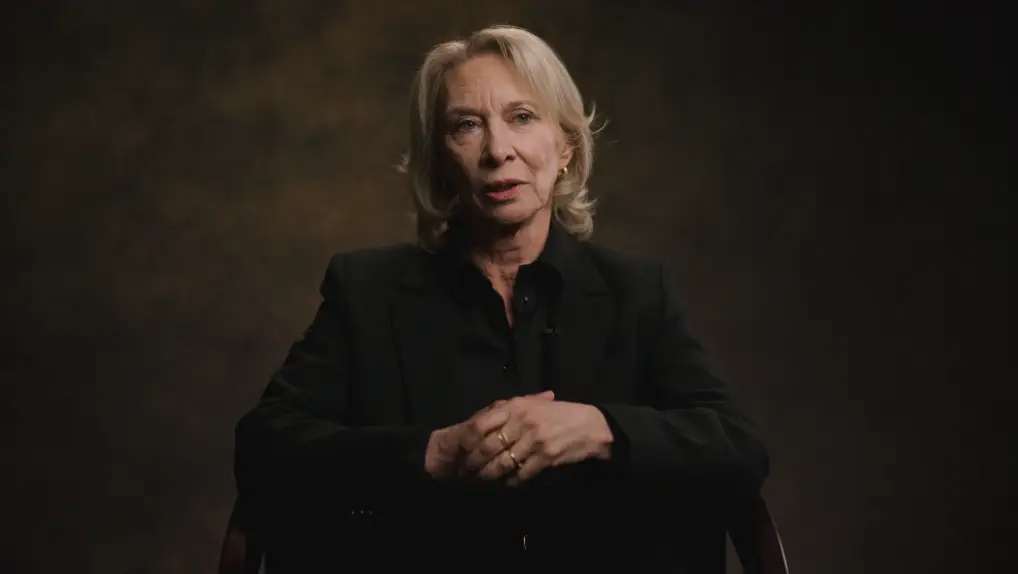
She said: "He looked up at me with Princess Diana eyes, you know, looking down and then looking up. That's how he looked. I thought, no wonder these little girls were not afraid of him. He was charming."
But it was what she realised about his attitude towards his victims that left the biggest impression.
"That's the basis of evil for me, is the complete absence of human connection," she explained. "These girls weren't people to him. They were toys. Something for his amusement."
Butcher also recalled encountering two other serial killers who worked together as partners.
The pair, who were in a sexual relationship, would visit people's homes under the pretence of assessing valuable items, including jewellery and pianos, before murdering their victims. One particularly disturbing detail was the brutality of their attacks, with Butcher describing how they slashed their victims' throats.
She explained: "A stab wound is personal enough, but slashing a throat is violent. Brutal. Hard to see.
"And it indicates such an absolute contempt for the victim."
When the two men were eventually brought in for DNA samples, Butcher was struck by just how differently they presented themselves.
One was handsome but had an intensely unsettling stare, while the other was charming and seemingly pleasant.
Describing the first man, she said: "His eyes were feral. He wasn't looking at me as a person. He looked at me as an object. How can I use this object?"
She added that the encounter left her with 'a cold, metallic taste' in her mouth. His accomplice, meanwhile, was almost the complete opposite.
Butcher recalled how he joked about his thinning hair and politely asked whether she could collect samples from around his head so he wouldn't be left with patchy-looking hair.
"I thought, well, this guy is charming. If I had met him at a cocktail party, I would have liked him. I would have thought he was funny," she explained.
Reflecting on the contrast between the two men, she said: "It tells you the banality of evil. Evil walks the streets. And it could be anyone charming or like a wolf."
The experiences left Butcher with a chilling understanding that those capable of committing horrific crimes don't necessarily fit the image people might have of a killer.
And despite the disturbing nature of some of the cases she worked on, she says her job was ultimately about something much bigger than investigating bodies.
She explained that one of the things she was proudest of was being able to provide answers to families who had lost loved ones.
"You know, I couldn't save lives, but I could do one thing important, and that is give answers to the families," she said, adding: "I could get justice for the victims, but mostly it was. We were working for the families."
For Butcher, the people behind the cases might have demonstrated the darkest sides of human behaviour, but the work also reinforced why remembering the victims mattered most.
Topics: Crime, True crime
 Emma Rosemurgey