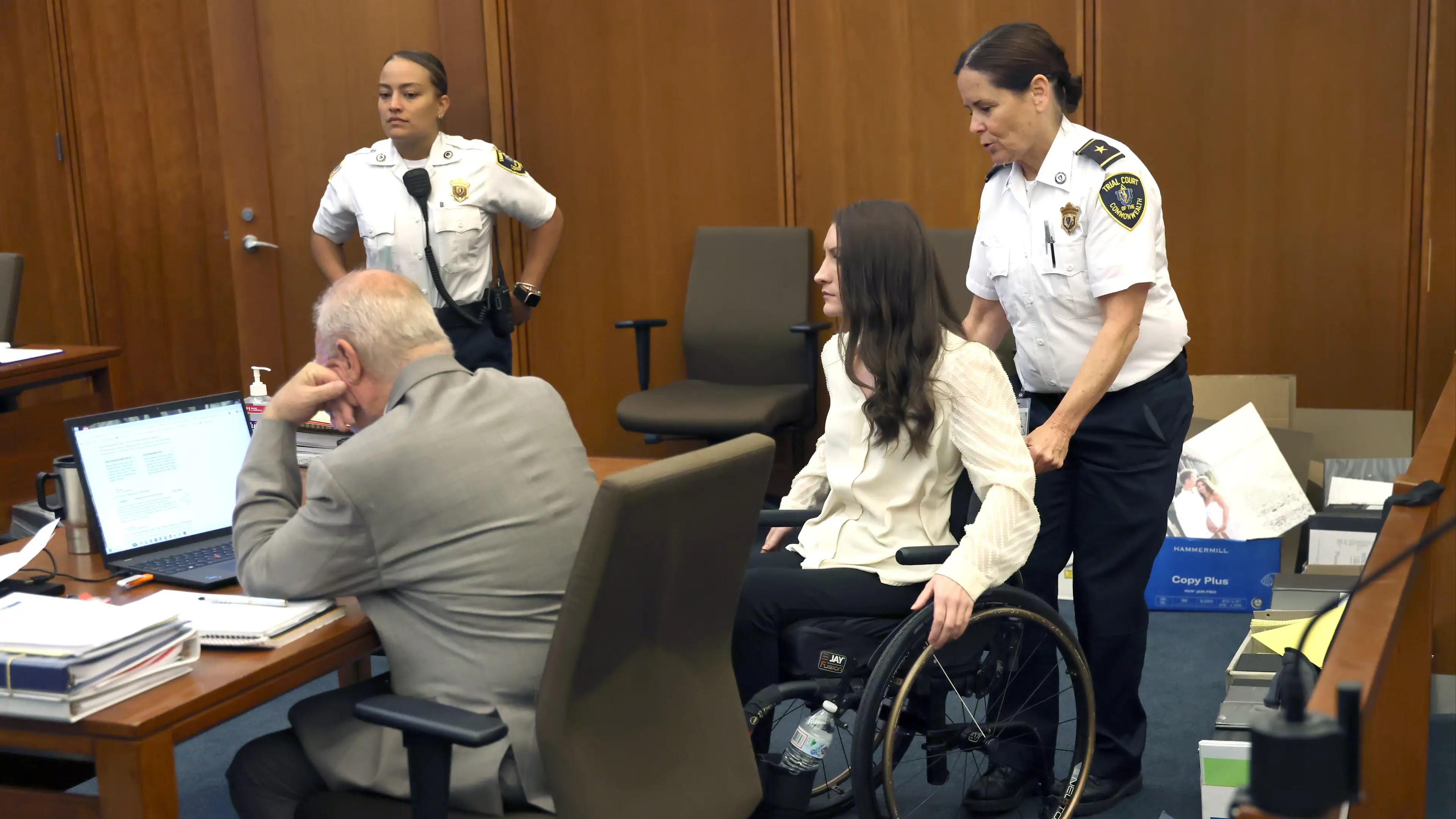
Psychiatrist reveals what Lindsay Clancy said one day before killing her children

Psychiatrists who treated Lindsay Clancy before the January 2023 deaths of her three children have revealed to jurors their expert opinions - including her final conversation one day before the crime.
Both Jennifer Tufts and Alia Goodheart, who treated Clancy in the months leading to the alleged murders, told jurors Friday (August 7) that they did not observe signs of psychosis while treating her, per ABC News.
This information is significant to the case, because Clancy's defense has argued she was suffering from postpartum psychosis and substantial mental illness at the time prosecutors allege committed the crimes.
The 35-year-old pleaded not guilty to the murder charges of her five-year-old daughter Cora, three-year-old son Dawson and infant son Callan due to diminished responsibility by reason of insanity.
Advert
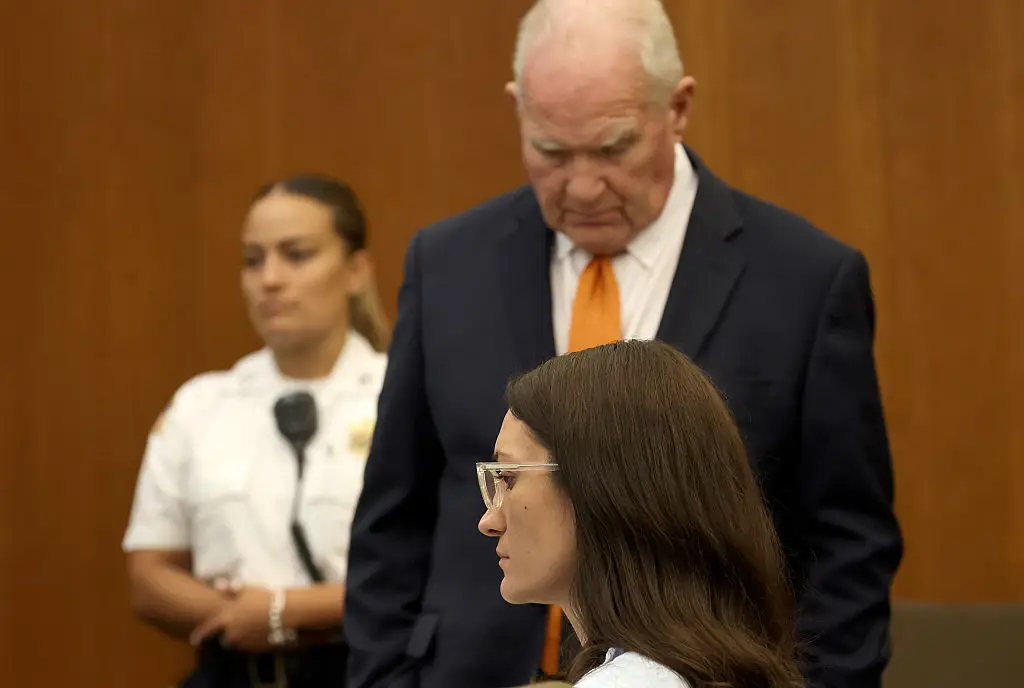
However, Tufts told jurors that Clancy seemed to be doing fine a day before the deaths.
Tufts had treated Clancy since September 2022, and revealed to jurors what was said during their final session together in January 2023.
According to Tufts, Clancy said she was doing 'alright,' but had more anxiety and a racing heart.
However, Tufts testified that Clancy claimed she wasn't experiencing any suicidal or homicidal thoughts and didn't indicate she was a risk to herself or others during that session.
Tufts had seen Clancy over a period of approximately 14 appointments, with the pair attempting to find medications that could help her anxiety and depression without disrupting her sleep further, as this was something she was allegedly struggling with.
In the weeks before the killings, Clancy reportedly had visited an emergency room because of suicidal thoughts and became an inpatient for psychiatric treatment over a number of days before being released.
But when Tufts met with her on January 23, Tufts testified that she wasn't displaying signs of harm.
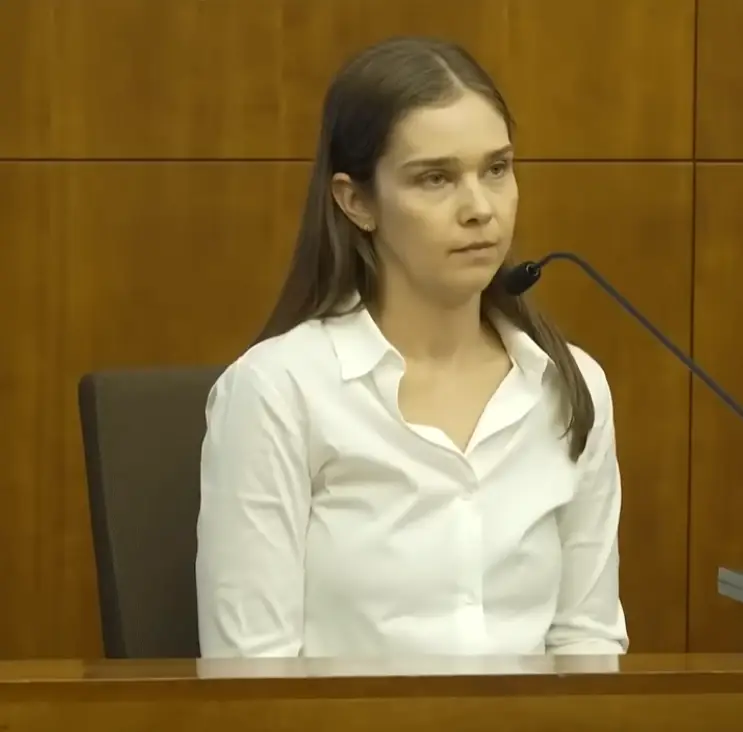
As for Goodheart, she testified that she did not see signs of psychosis and didn't have concerns about Clancy’s safety or that of anyone around her when she was treating the mother.
Goodheart called Clancy 'future-oriented' and 'clearly invested in her children,' despite the defense team claiming she had been experiencing postpartum psychosis at that time.
However, Goodheart acknowledged during her cross-examination that she had never treated a patient with postpartum psychosis before and that she was treating Clancy in part because of her alleged severe sleep deprivation.
The CDC say postpartum psychosis is considered a rare condition, affecting around 1 to 2 in every 1,000 women after childbirth (0.1% to 0.2%).
However, it can involve serious psychiatric symptoms including hallucinations and delusions, thoughts of harm, and much more.
In regard to Clancy, court records indicate that she had been prescribed more than 12 psychiatric medications before the children's deaths, and that she wanted to stop taking one of them because she claimed the side effects gave her 'dark thoughts'.
Despite this, the prosecution denied that medical professionals should be liable for children's deaths, and the defense argues that Clancy's mental health deteriorated.
UNILAD previously approached Lindsay Clancy's attorney, Kevin Reddington, for comment.
Topics: Crime, Mental Health, US News, Lindsay Clancy
 Britt Jones