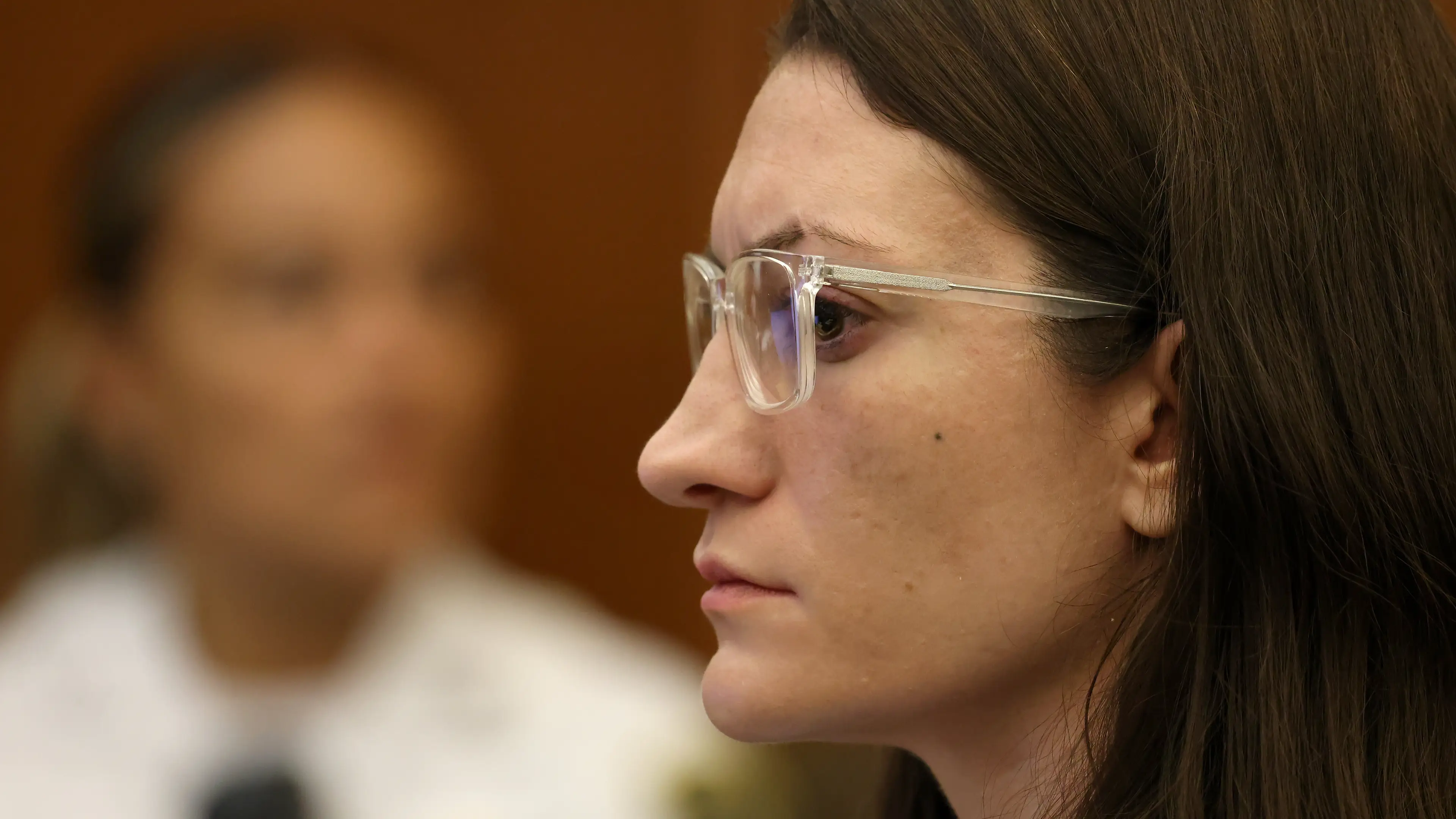
Lindsay Clancy’s psychiatrists testify they saw no signs of psychosis before children’s deaths

The question of what doctors knew about Lindsay Clancy's mental state before her three children died has become a central issue in her murder trial.
Two psychiatrists who treated Clancy before the January 2023 deaths told jurors Friday that they did not observe signs of psychosis while treating her, according to ABC News.
That evidence could be significant because Clancy's defense has argued she was suffering from postpartum psychosis and severe mental illness at the time prosecutors allege she strangled her children.
Clancy, 35, has pleaded not guilty to three murder charges over the deaths of her five-year-old daughter Cora, three-year-old son Dawson and infant son Callan.
Advert
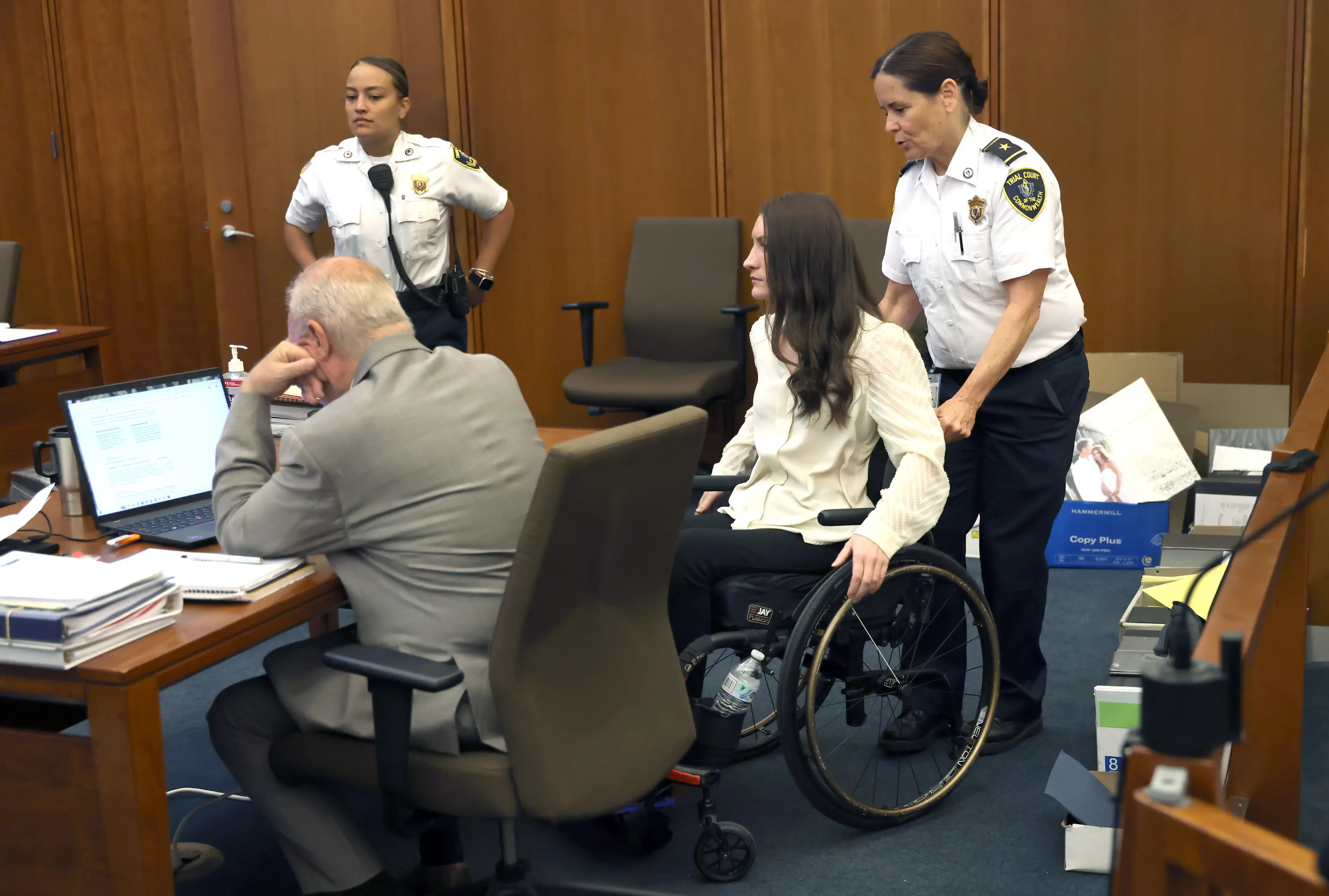
What did doctors say about Lindsay Clancy before the deaths?
Psychiatrist Alia Goodheart treated Clancy during a brief inpatient admission in January 2023.
When asked about her assessment of Clancy at the time, Goodheart told the court she had not been concerned that Clancy presented a danger to herself or anyone else.
Her testimony also gave jurors an account of how Clancy had spoken about suicidal thoughts before the children's deaths.
Goodheart said Clancy identified her family, including her children and mother, as a reason she did not want to hurt herself.
Goodheart recalled Clancy as being focused on what lay ahead and strongly invested in her children. She also said Clancy had family support and that arrangements had been made for psychiatric care after she left the inpatient facility.
There was an important qualification to Goodheart's evidence, however. During cross-examination, she acknowledged that she had never treated someone with postpartum psychosis.
The CDC say the condition is considered rare, affecting about 1 to 2 in every 1,000 women after childbirth (0.1% to 0.2%). It can involve serious psychiatric symptoms including hallucinations and delusions.
Goodheart also told the court that severe sleep deprivation can contribute to a manic episode. Sleep was one of the issues that had prompted Clancy to seek inpatient treatment, and Goodheart recalled her describing herself as feeling ‘numb’.
What was Lindsay Clancy's treatment history?
A second psychiatrist, Jennifer Tufts, began treating Clancy several months earlier, in September 2022.
Tufts said Clancy initially sought help for anxiety and later raised concerns about side effects she believed were linked to her medication.
The pair had 14 telehealth appointments as they worked to find a treatment plan for Clancy's anxiety and depression without further disrupting her sleep.
Tufts told jurors that Clancy was concerned about starting new medication and had recognized that repeatedly changing doctors and prescriptions was not helping her situation.
Court records indicate that Clancy had been prescribed more than 12 psychiatric medications before the children's deaths.
Prosecutors have pointed to changes in Clancy's doctors and medications as they challenge the defense's account of her treatment.
Prosecutors have also argued that Clancy's medical providers should not be held responsible for the children's deaths.

Clancy's defense, led by attorney Kevin Reddington, has argued that she was experiencing postpartum psychosis and severe mental illness when her children died.
Clancy and her former husband, Patrick Clancy, have brought civil claims against doctors, including Tufts, alleging that Clancy was overmedicated and not properly diagnosed after the birth of her youngest child.
Tufts and her affiliated health system have denied liability. In an April court filing, they argued that the children's deaths were not reasonably foreseeable.
The criminal trial is continuing, with jurors also having heard evidence from Clancy's friends and family about her mental health, medication and sleep difficulties before the children's deaths.
UNILAD has approached Lindsay Clancy's attorney, Kevin Reddington, for comment.
Topics: Mental Health, Parenting, True crime, Lindsay Clancy
 Thomas Bamford