Mother of Christa Pike's victim breaks silence after witnessing 'mess' execution attempt

Two doses of pentobarbital were not enough to end the life of Tennessee death row inmate Christa Pike on Wednesday night.
Her lawyers say she was 'audibly snoring' after both injections and filed an emergency motion to halt the procedure. Pike's attorney told the BBC the 50-year-old was now 'being provided life-saving measures' in hospital.
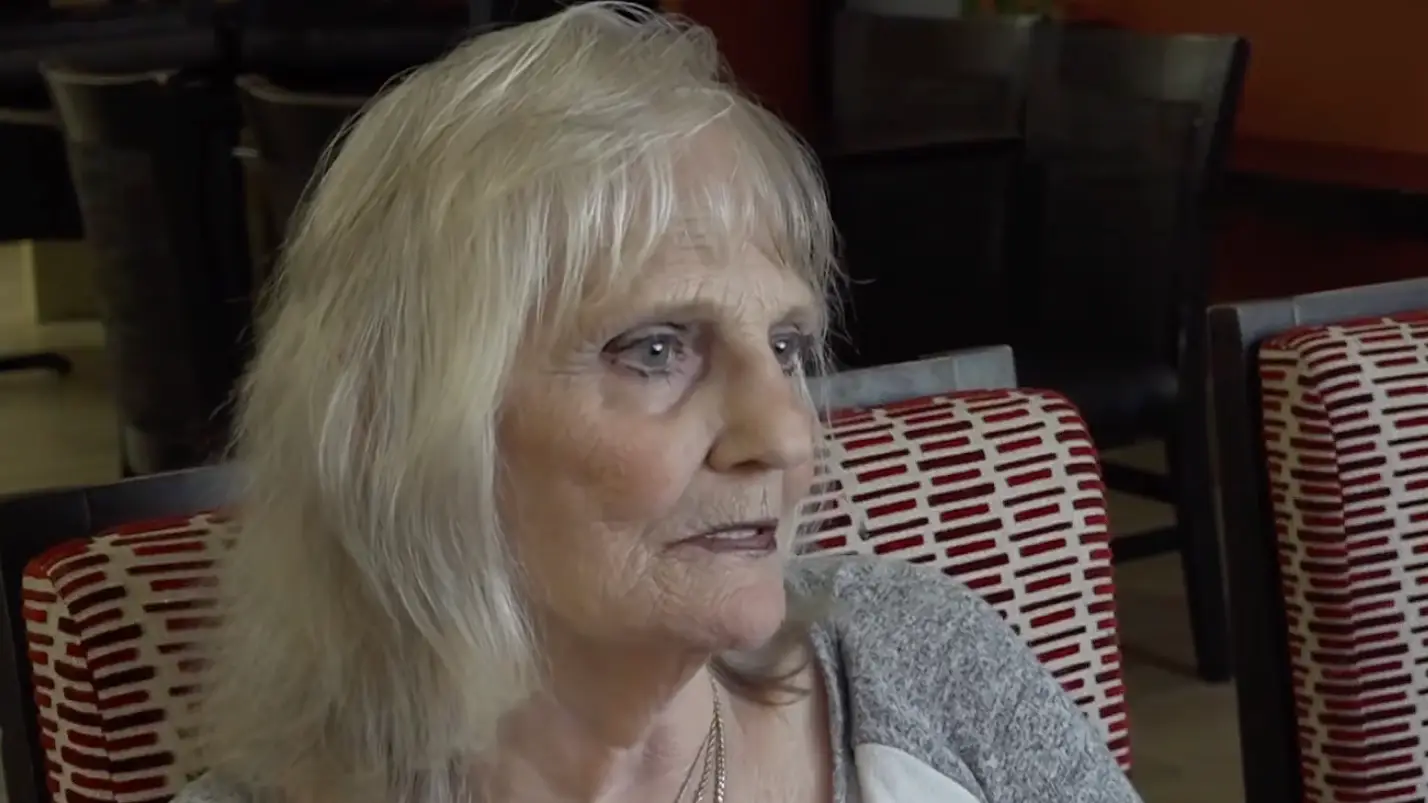
May Martinez, the mother of Pike's victim, Colleen Slemmer, had traveled to Nashville hoping to see her daughter's killer put to death.
She told NBC News in a phone interview on Thursday morning that the attempt was 'a mess'.
Advert
"They went to try to execute her, and she didn't die," she said.
Martinez said officials left witnesses in the dark. "We didn't know anything until we got up to the office and saw the commissioner. And he said that it didn't work, that it didn't work, and she's on her way to the hospital," she said.
Asked what she would say to the governor and attorney general, she replied: "They f***** up." She added that Pike showed no remorse during the execution attempt.
What went wrong with Christa Pike's execution?
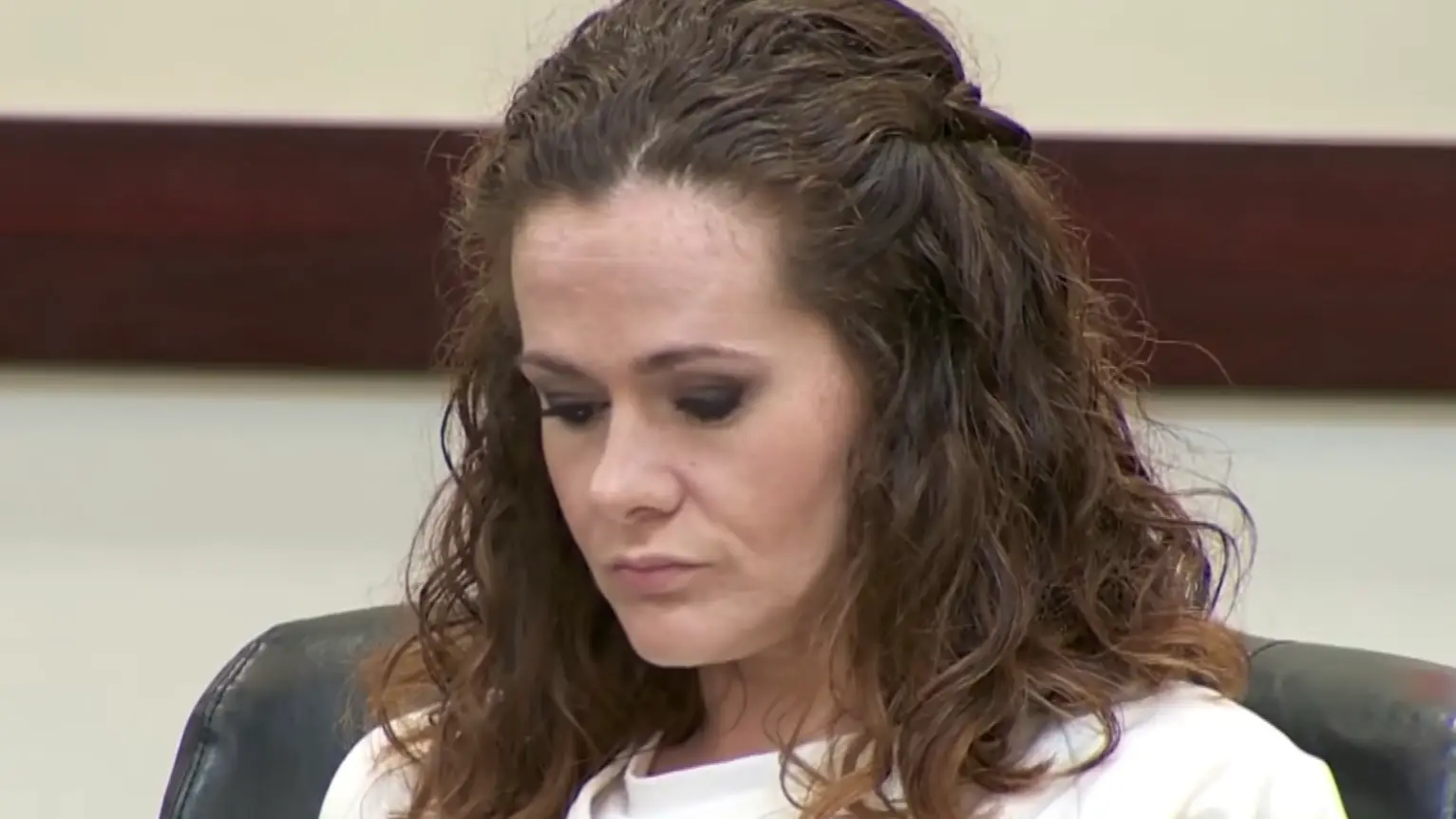
The procedure began at Riverbend Maximum Security Institution at about 8pm local time, or 1am GMT on Thursday.
AP reported that the curtain in the witness room was closed twice and that media were at some point asked to leave.
Tennessee's execution protocol requires a second set of syringes if the first fails, but doesn't spell out what happens if the person is still alive after that.
Pike's legal team filed an emergency motion to stay the execution and provide medical care, with District Judge Clifton L Corker agreeing, noting that 'medical personnel have begun to administer medical care as requested in the motion.'
Dr Joel Zivot, an Emory University School of Medicine professor retained by Pike's lawyers, told the BBC she likely never reached a blood level of pentobarbital high enough to cause apnoea and cardiovascular failure.
“It's very possible that as a consequence of the delay of the beginning of resuscitation she will have a brain injury,” he said in an email.
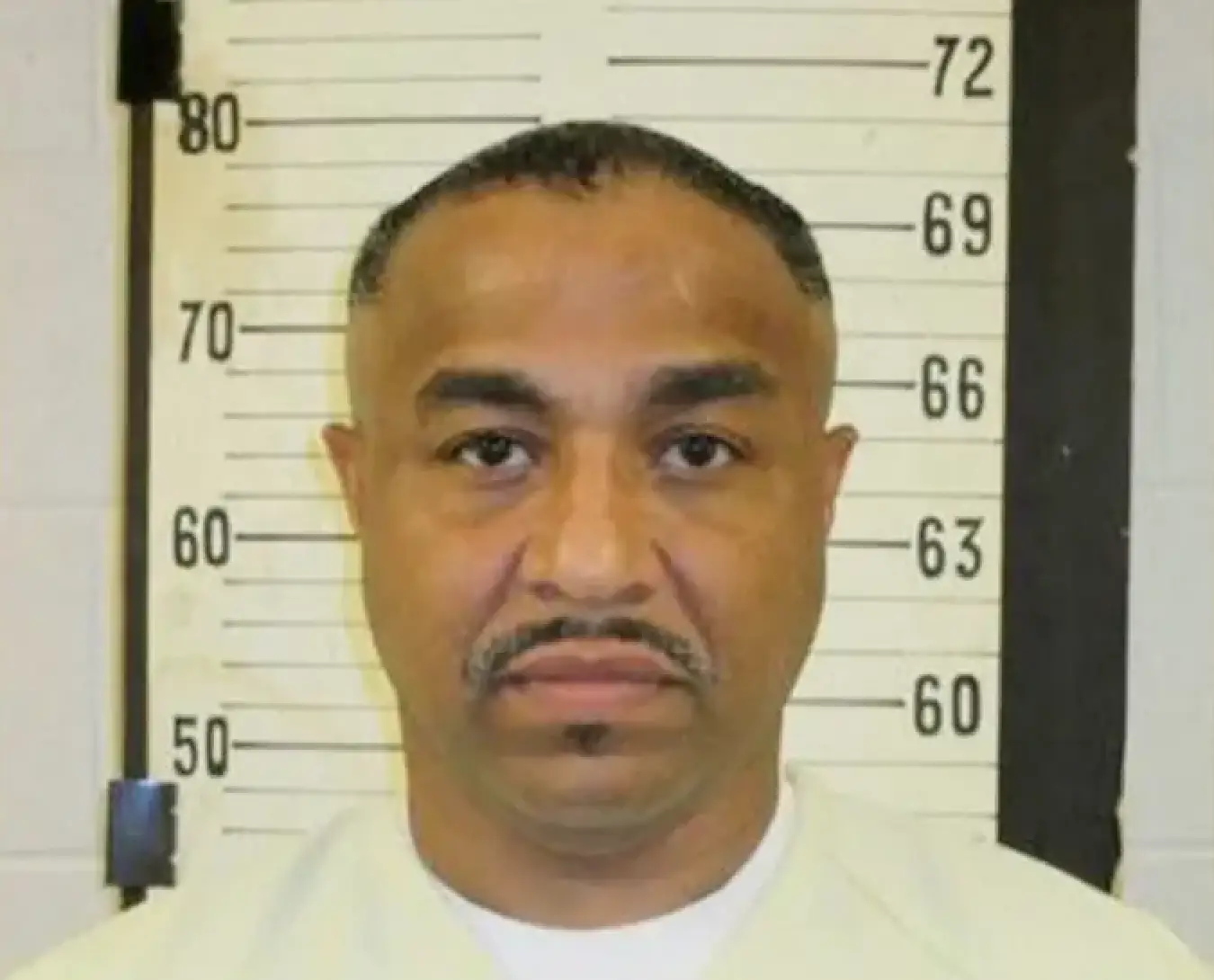
The Tennessee Department of Correction has defended its actions, suggesting they followed the rule book surrounding executions. Spokesperson Dorinda Carter told the Tennessean newspaper the department followed every step of the protocol approved by the Attorney General's Office, saying “The lethal injection chemical in the protocol has consistently been effective, and the protocol does not allow for additional procedures beyond what was carried out this evening."
Governor Bill Lee has ordered ‘a comprehensive, third-party review to determine exactly what occurred’, and the state's final remaining execution of the year will not go ahead as planned.
It isn't the first time this year that one has gone wrong: Tony Carruthers, convicted of kidnapping and murdering three people in 1994, had his execution postponed in May after staff couldn't find a vein.

Why was Christa Pike sentenced to death?
Pike was 18 in 1995 when she and her then-boyfriend, Tadaryl Shipp, beat, tortured and killed 19-year-old Slemmer. They had all met at a job training camp for troubled teens. Pike had accused Slemmer of insulting her and trying to steal her boyfriend.
The case caused a media frenzy in Knoxville after Slemmer was found with an inverted pentagram carved into her chest, but Pike denies carving it. Two other camp residents testified that Pike bragged about the killing and showed them a piece of Slemmer's skull. She was sentenced to death in 1996.
In her clemency petition, Pike said she meant to beat Slemmer, not kill her, but couldn't ‘put the brakes on’. I was a mentally ill 18-year-old kid,' she said.
Martinez, who travelled from Florida with her husband thanks to funds raised by a group, told AP: “Not a day goes by, or a minute goes by that I do not think about Colleen. Holidays are the worst.”
Before the execution, she told Clarín that she remembers her daughter as a 19-year-old who loved computers, retro video games and the roller rink.
“I am her voice. Someone has to speak for Colleen,” she said.
Since 1976, only 18 women have been executed in the US, compared with 1,663 men, about 1% of all executions.
 Thomas Bamford