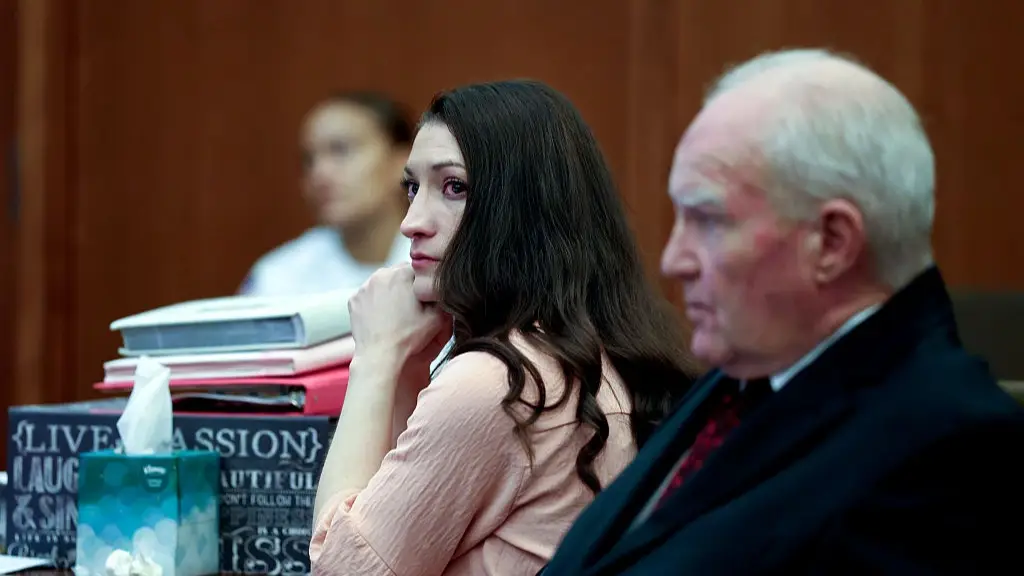
Lindsay Clancy's psychologist breaks down signs of psychosis during testimony about her children's killings

Warning: This article contains discussion of suicide which some readers may find distressing.
A forensic psychologist has told jurors that a person experiencing psychosis can still carry out everyday activities, testimony that could prove pivotal to Lindsay Clancy's insanity defense.
Dr. Paul Zeizel took the stand this week in the trial of the former Massachusetts labor and delivery nurse, who is accused of killing her three young children in 2023.
According The Daily Mail, Zeizel explained that someone in a psychotic episode doesn't necessarily lose the ability to function in familiar ways.
Advert
Clancy, 36, is charged with murdering Cora, five, Dawson, three, and eight-month-old Callan at the family's home in Duxbury.
Prosecutors allege she killed them before turning on herself, an attempt that left her severely injured and permanently reliant on a wheelchair.
She has admitted to the killings but has pleaded not guilty by reason of insanity, arguing she was in the grip of postpartum psychosis at the time and should be sent to a psychiatric facility rather than prison. She also argues that she was over-medicated.
Can someone in psychosis still function normally?
Zeizel's testimony centered on a key distinction: familiar, previously learned behaviors versus brand-new tasks.
He told the court that a person in psychosis is generally capable of continuing actions they've already mastered, from holding conversations to browsing the internet, but tends to struggle far more with anything unfamiliar.
As an example, he pointed out that someone who had never changed a car tire before would likely find that task especially difficult during a psychotic episode, whereas routine, well-practiced activities would remain within reach.
That distinction matters for the prosecution's timeline of events.
Investigators say Clancy took her daughter to a medical appointment and searched for information online on the day her children died, activities the state has pointed to as evidence of coherent, deliberate planning.
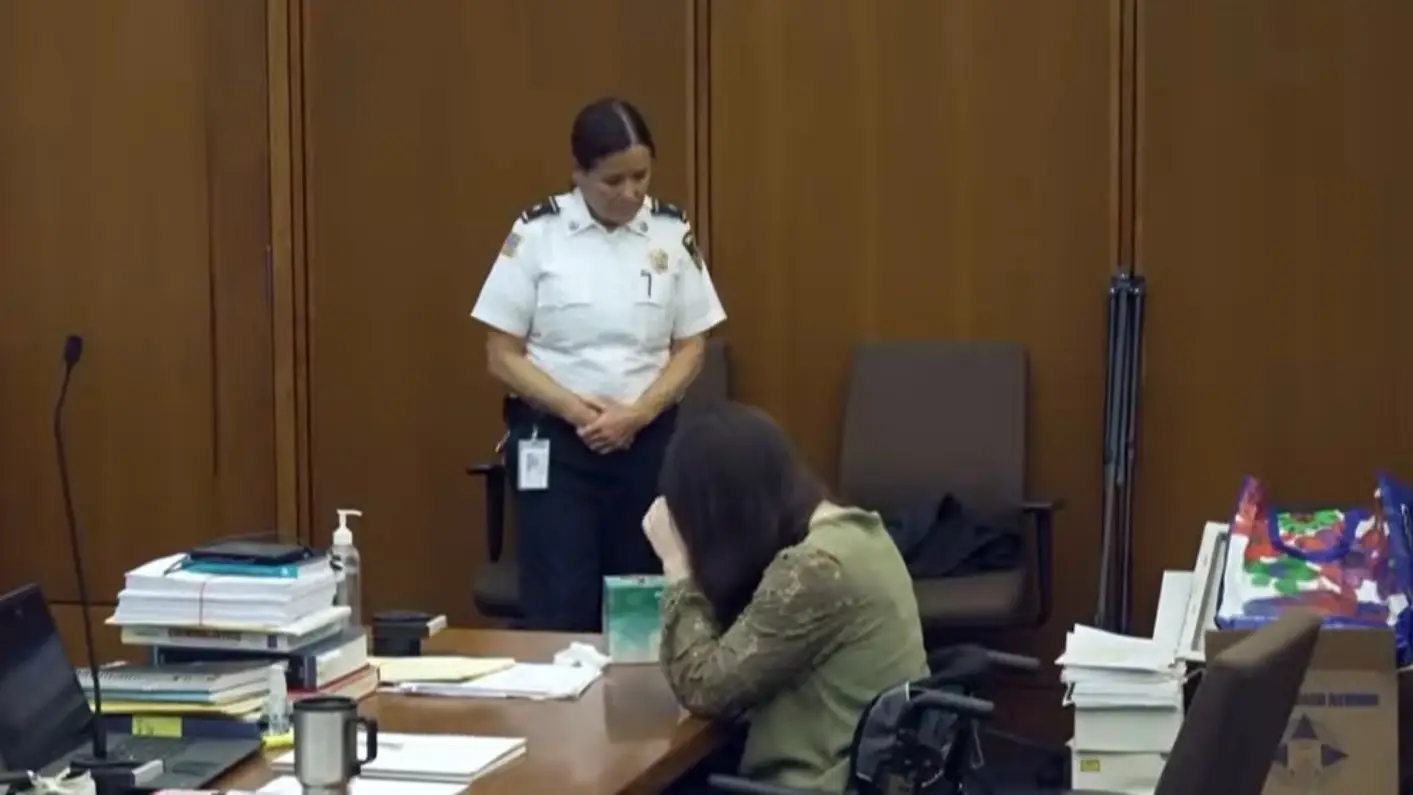
Zeizel's testimony offers jurors an alternative explanation, suggesting those same actions could be consistent with someone who was nonetheless deep in a psychotic state.
Zeizel went further, telling jurors he believed Clancy was suffering from bipolar disorder complicated by postpartum psychosis at the time of the killings.
He said that in his clinical opinion, she was unable to control her actions in line with the law and lacked any real understanding that what she was doing was wrong.
The testimony followed evidence given a day earlier, when Zeizel described the moment Clancy allegedly told her husband about hearing a 'male voice' in her head instructing her to kill her children and then herself.
His appearance comes after prosecutors rested their case on Monday, having spent roughly three weeks building an argument that the killings were premeditated rather than the product of someone who had lost touch with reality.
Witnesses who have testified at Lindsay Clancy’s trial
Patrick Clancy
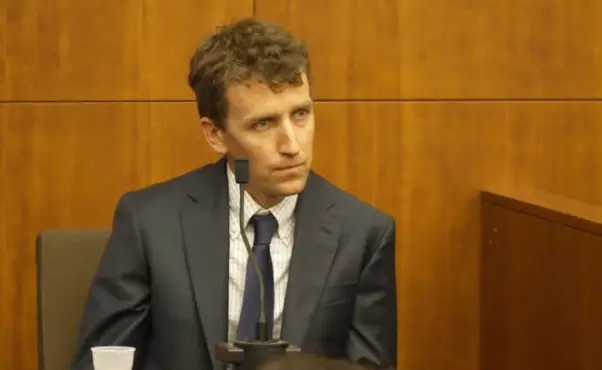
After the jury heard the opening statements on 27 July, Clancy’s ex-husband, Patrick Clancy, was the first person to take to the stand.
Patrick testified that Clancy struggled after the birth of their third child, Callan, and that in the months before the January 2023 killings, she told him she was having thoughts of suicide and of harming their children.
He claimed that December 2022 ‘was really where her big spiral started’.
Patrick told the court: “She started to lose a lot of weight, and she became very depressed, and she was having a really hard time.”
After Clancy spent some time in a locked-ward facility, Patrick said he was ‘hopeful' as ‘she seemed much better’.
He later recalled the day of the killings, testifying that Clancy initially ‘seemed in a good mood’ and ‘was having one of her best days’.
But on returning home to find his children dead, he said he ‘saw blood everywhere’.
Around a week later, Clancy called her then-husband from hospital, Patrick said.
“She didn’t talk about our kids, she talked about what she went through,” he testified. “She said she heard a man’s voice telling her that if she didn’t do it now, she would lose her chance - or something like that.”
Elaine Rossi, former nanny
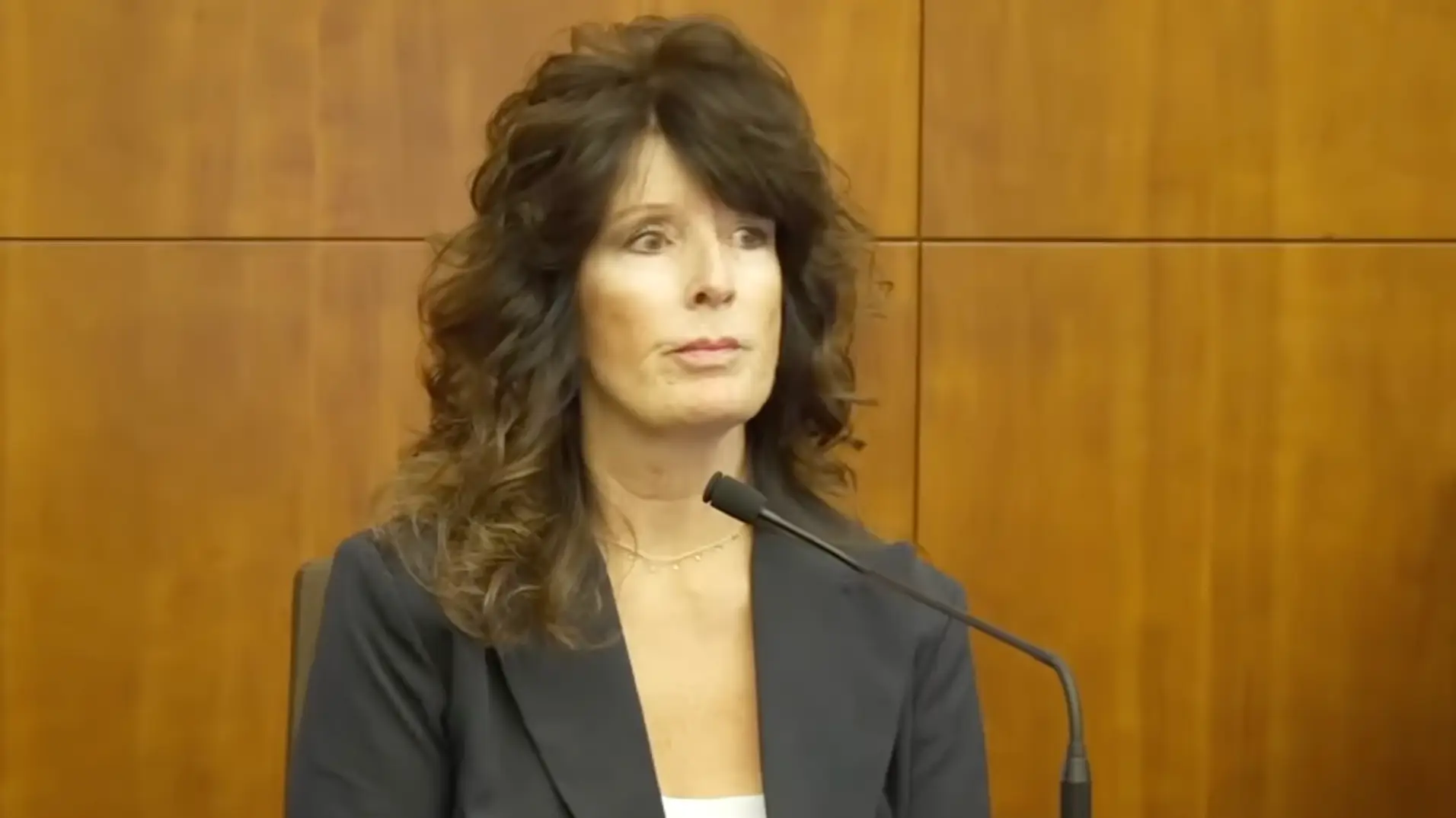
Elaine Rossi, who worked as the Clancy family's nanny from September to December 2022, testified that Clancy was a ‘wonderful mom who loved her kids’.
“She was concerned about their safety, and Callan eating and sleeping. She was a wonderful mother,” she told the court.
Rossi recalled seeing prescription medicine bottles in the house, and that Clancy ‘shared with me she had postpartum and couldn't sleep’.
The nanny also testified that she noticed the mom had lost a significant amount of weight, but she said she never feared for the children's safety.
Timothy Chiappini, state trooper
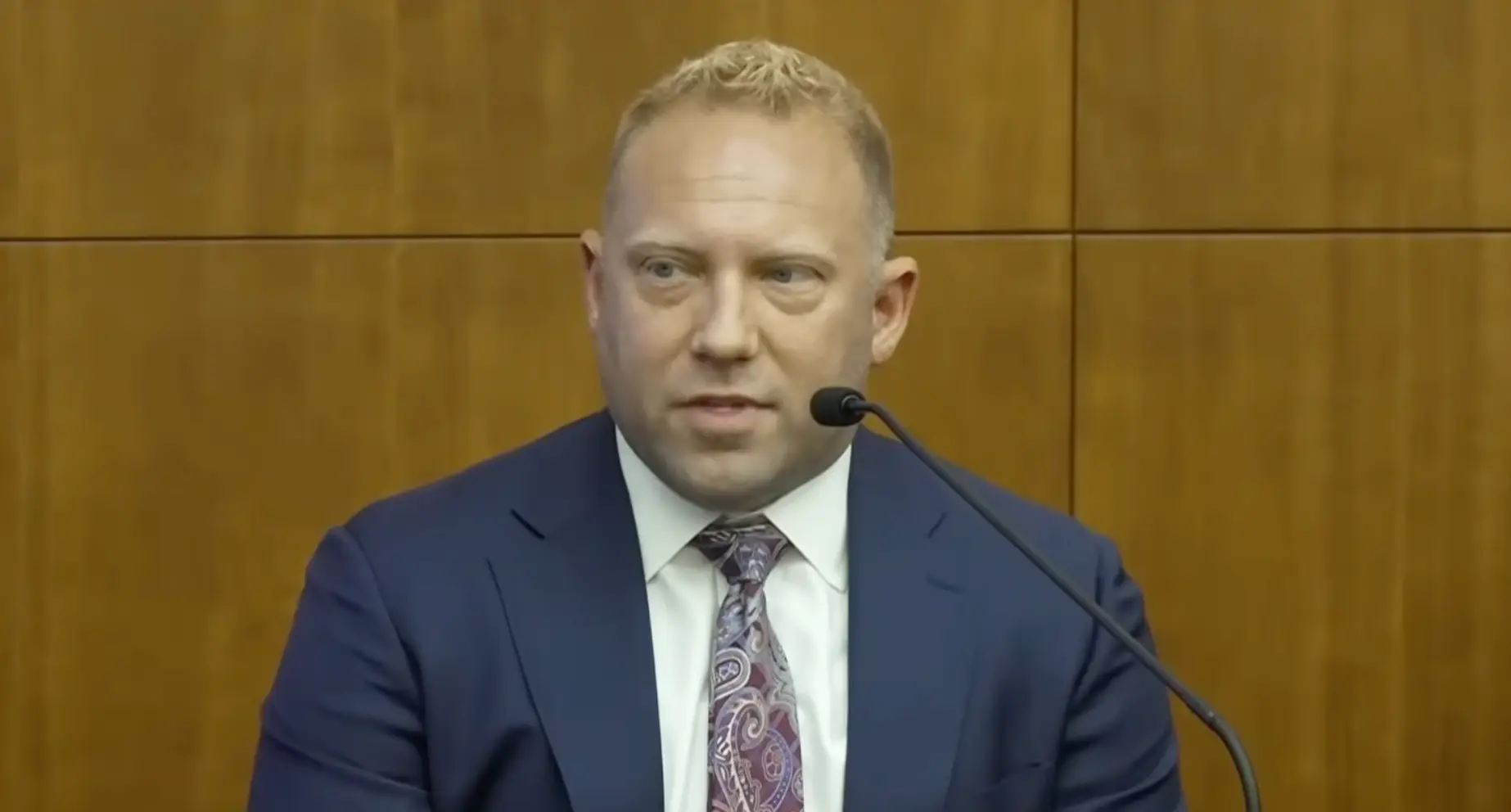
Timothy Chiappini was tasked with doing a forensic analysis of Clancy's cellphone, testifying that she searched 'can you treat a sociopath' days before her children were killed.
The former detective also read out entries from her notes app. “I'm sad and depressed because I am not able to parent my third child like my first,” one excerpt, dated October 25, 2022, read in part.
Jennifer Tufts, psychiatrist
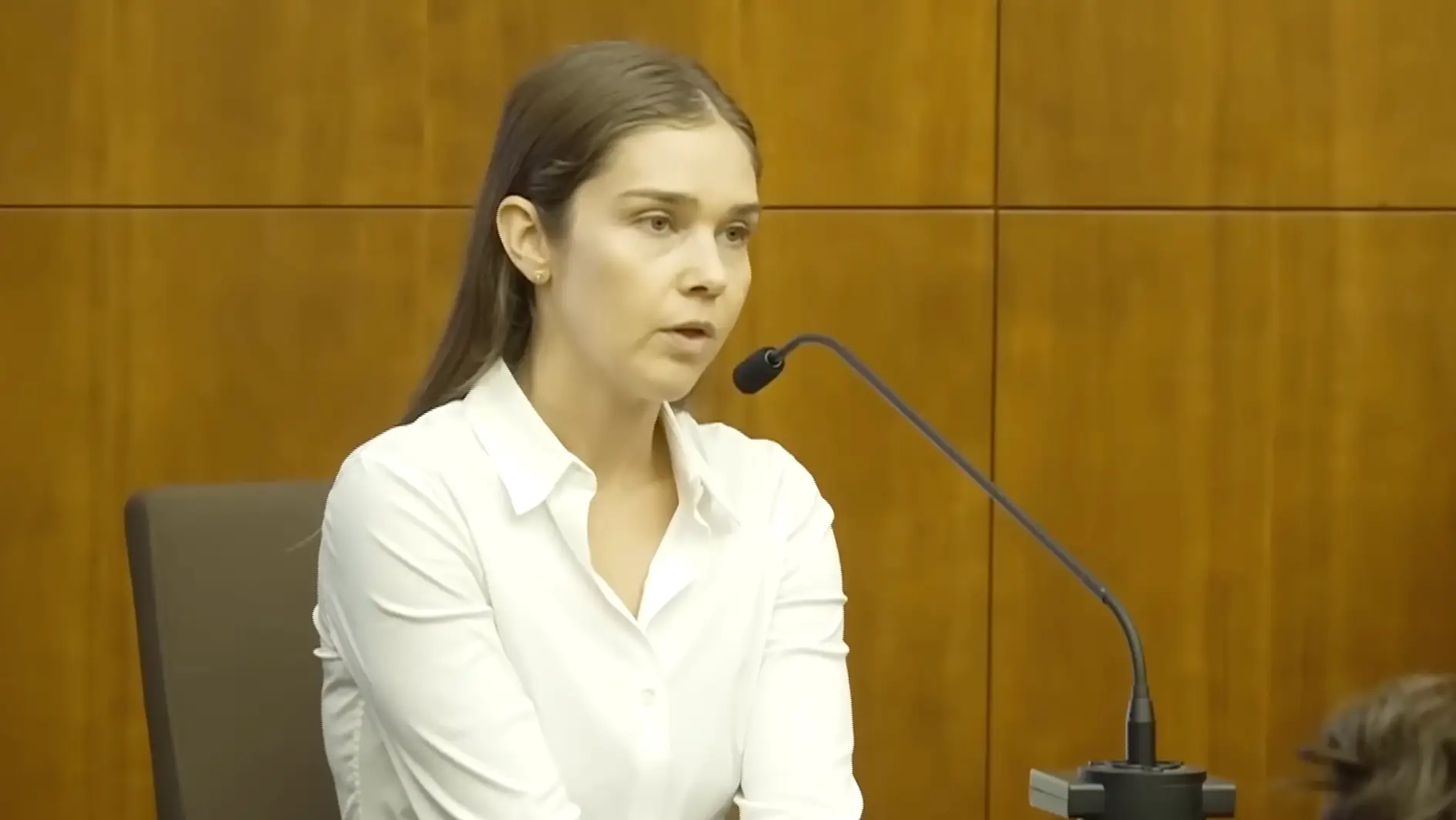
Tufts, who first began treating Clancy in September 2022, testified that the mom had ‘denied having suicidal thoughts but felt that she was getting close to it’ in December 2022.
Clancy’s defence attorney asked Tufts: “Would it surprise you to know that she called a suicide hotline in that timeframe, not once but twice, and was turned away?”
She replied: “It does surprise me, yes. It surprises me that she called them twice.”
When asked if Tufts had ever asked Clancy about calling the suicide hotlines, the psychiatrist said she didn’t think she had ‘specifically asked that’.
Clancy had more than a dozen sessions, which took place over an online video link, with Tufts. Their final appointment was on January 23, 2023 - the day before the killings, the court heard.
Paula Musgrove, Clancy’s mother
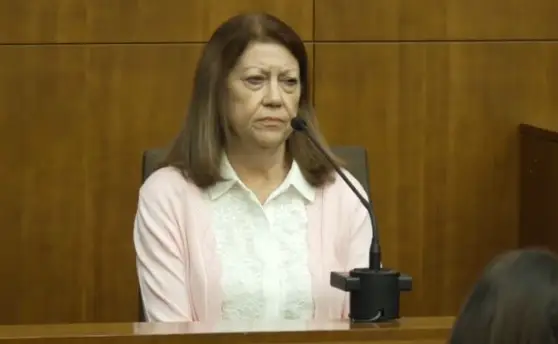
Paula Musgrove described her daughter as a loving and devoted mom whose mental health began to decline in October 2022.
The jury was shown a text from Clancy to her mother from that time; it read: “Mom, will you please come up and stay with me for a bit? I'm really sick. Something is wrong.
“I had horrible insomnia all night, and I just don't know how I am going to get through the day... I started taking the medicine my doctor prescribed for anxiety and I think it's made things worse. It's just really scary and I don't want to be alone.”
Musgrove told the court about a conversation she had with Clancy and her then-husband, Patrick, in December 2022.
“She told us she had thoughts of harming the children,” she said.
Musgrove testified that Clancy grew increasingly fearful of sleeping alone, suffered from insomnia, and became convinced that the numerous psychiatric medications she was being prescribed were ‘destroying her mind’.
Allison Ozga, Clancy’s sister
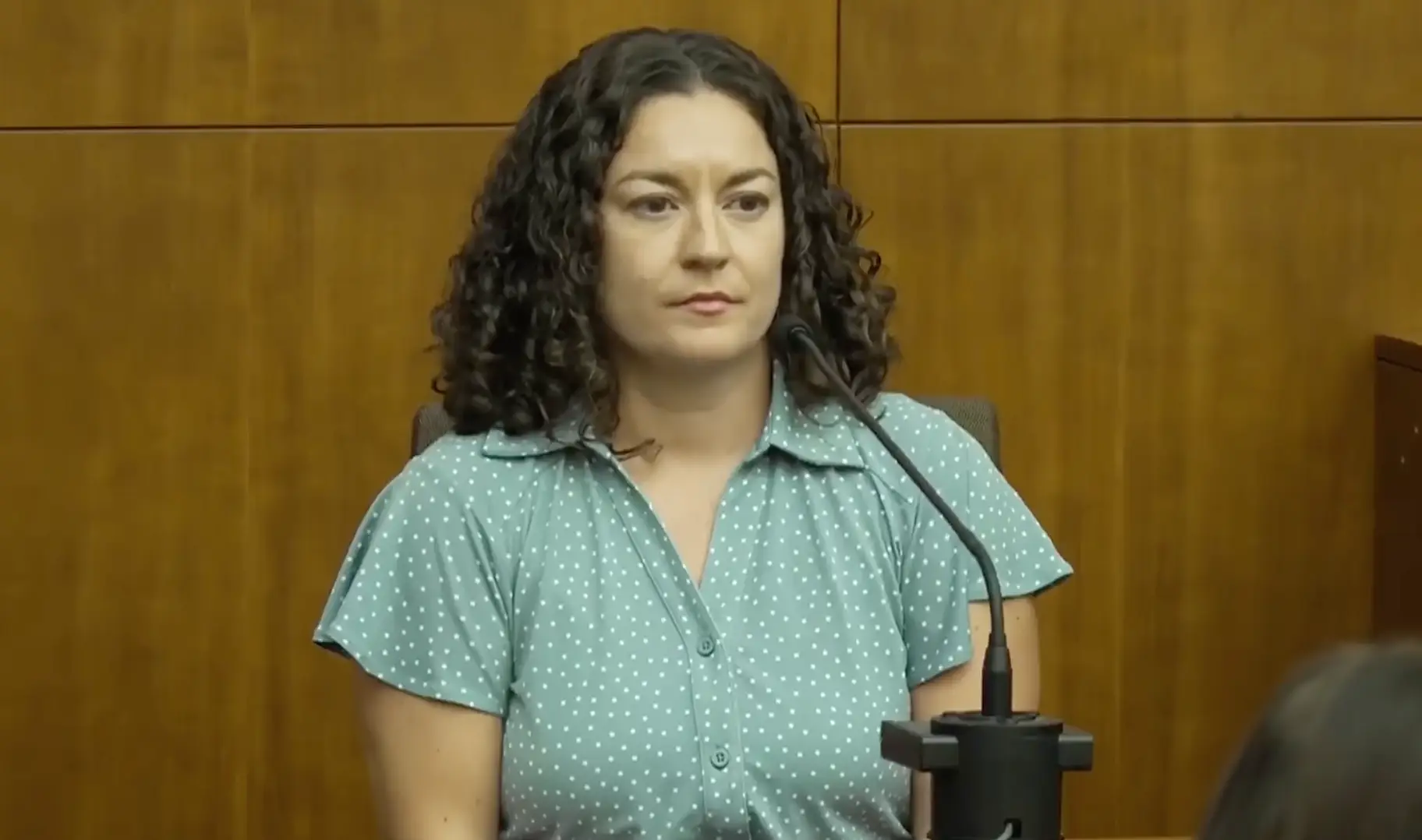
Ozga testified that when she saw her sister during Thanksgiving 2022, her ‘mood did not look good’ and she ‘didn’t seem very energised’.
Clancy told Ozga that she was experiencing suicidal thoughts every day for a month before the killings, her sister said.
She told the court: “I had this gut feeling that something was off and that she was really struggling, and I asked her if she was safe. She said ‘yes’ at that point.”
Ozga also said she had concerns when she saw Clancy at Cora's birthday in January 2023.
She testified: “I think she looked like she was going through the motions of putting together a birthday party for her daughter. But she looked tired. She looked like she was still struggling.”
Christopher Clancy, Patrick’s father
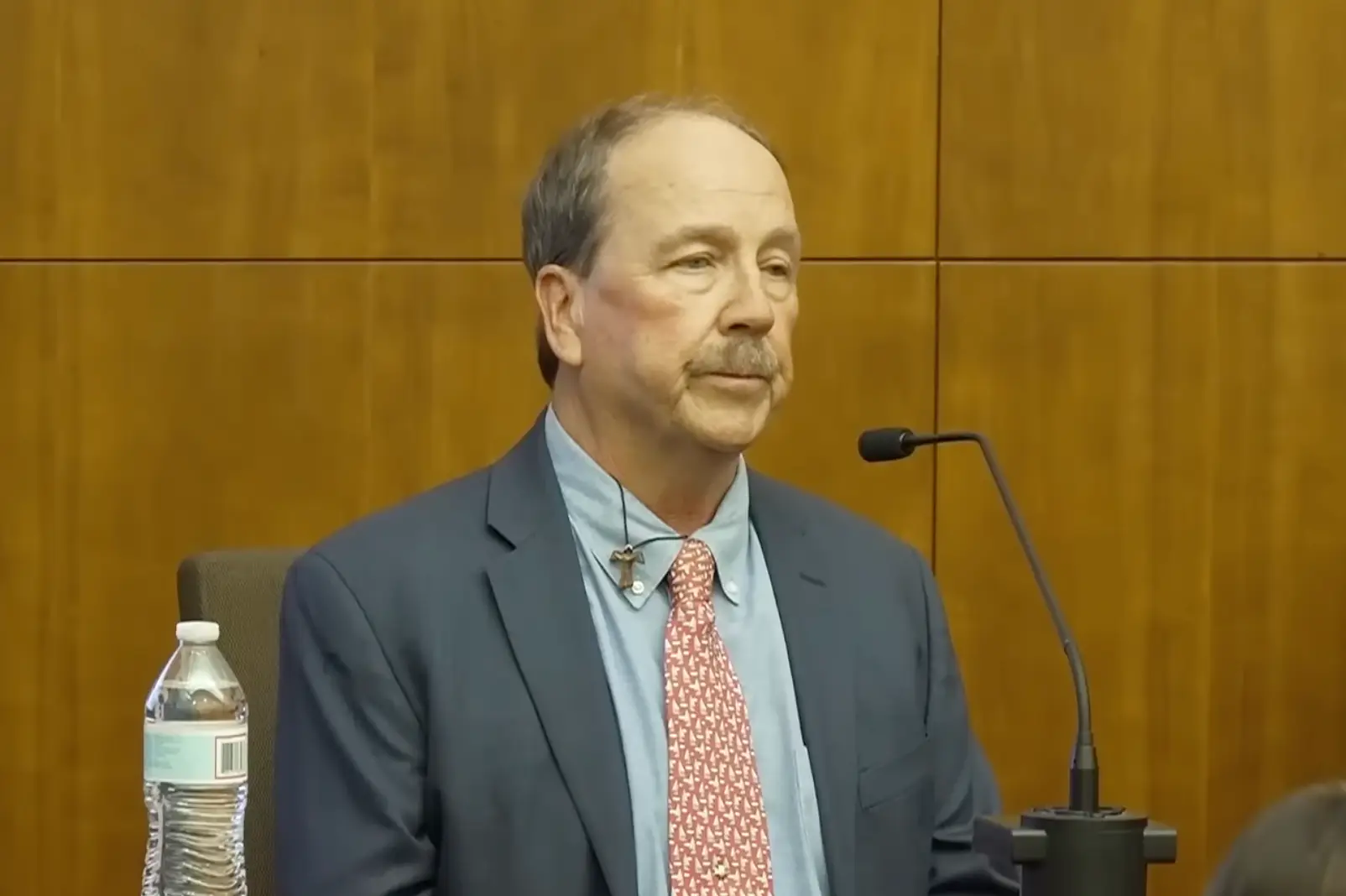
Clancy’s former father-in-law, Christopher Clancy, testified that she was ‘very mothering’ and protective ‘like any mother would be’.
On how she appeared in December 2022, he told the court: “She was very, very good. She fed them great. She did a lot of things with them …like the all-American family.”
Christopher testified that he ‘knew she [Clancy] was having a hard time sleeping’, adding: “I knew she didn’t feel well … I knew she went to the emergency room where my wife was working.”
When the prosecutor asked Christopher about receiving a call from Patrick on the night of the killings, he said: “It was terrible.”
Susan Clancy, Patrick’s mother
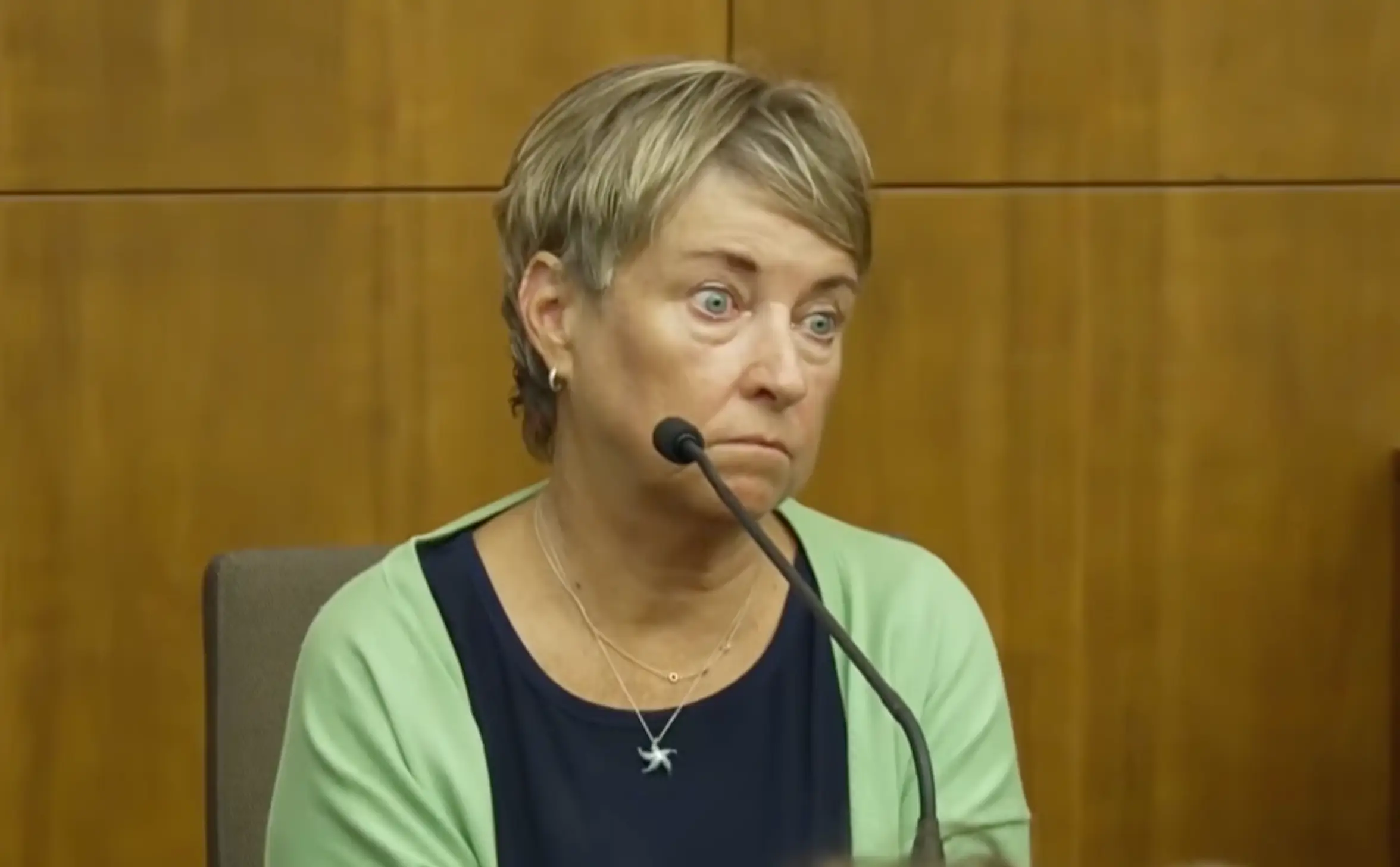
Susan Clancy testified that her former daughter-in-law was a ‘very nurturing, very loving’ and ‘a wonderful mother’ who was ‘begging for help’.
“She had insomnia. She was losing her appetite,” she said. “She was very anxious and sad.”
When asked by the defence if Clancy had been ‘interested at all times in trying to get better and see doctors’, Susan responded: “Very much so.”
Margaret Hamp, Clancy’s former co-worker
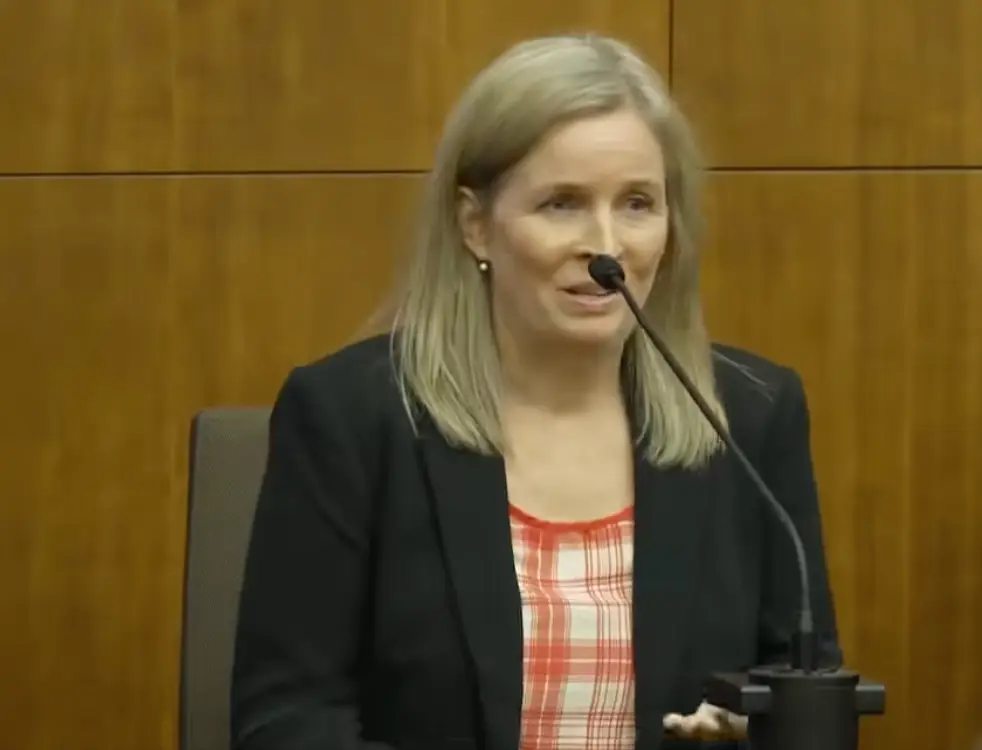
Margaret Hamp, who worked with Clancy at the Massachusetts General Hospital, recalled a conversation they had about Andrea Yates, a woman who confessed to drowning her five children in the bath in 2001.
Hamp told the court: “I asked [Clancy] if she had ever heard of the Andrea Yates case and she hadn't.
“I explained that to her and she cried, and she said: 'How could a mother hurt her children?'”
Hamp testified that Clancy ‘loved being a nurse’, adding: “She was compassionate. She was kind. She was a patient advocate.”
Friends of Clancy
Amy Bevins
Amy Bevins, who had known Clancy for 29 years, told jurors she communicated with the mom just days before the killings.
“She had shared that she had been taking a medication that caused her to have some dark thoughts, but that she was going to, or had been weaning, like tapering off that medication,” Bevins testified, later adding: “I remember it being something where there was conveying of hope, and that it was going to be a, you know - we were moving in a positive direction.”
Bethany DeCollibus
Another friend, Bethany DeCollibus, described speaking with Clancy during one of the kids' birthdays in January 2023, where Clancy was apparently struggling with sleep.
"She responded that things haven't gotten any better, and that she feels like a zombie," she testified.
Andrea Hennigan
Andrea Hennigan, who worked with Clancy at the Massachusetts General Hospital, testified that Clancy told her she wouldn’t return to work because she ‘was not in a mental state to take care of patients’ after Callan was born.
“She talked about insomnia and not feeling herself,” she said. “I believe she might have used the words brain fog or something like that.”
 Thomas Bamford