Police officer in Lindsay Clancy case drops bombshell 'theory' that psychiatrist coached her on defense case

Warning: This article contains discussion of baby loss and attempted suicide which some readers may find distressing.
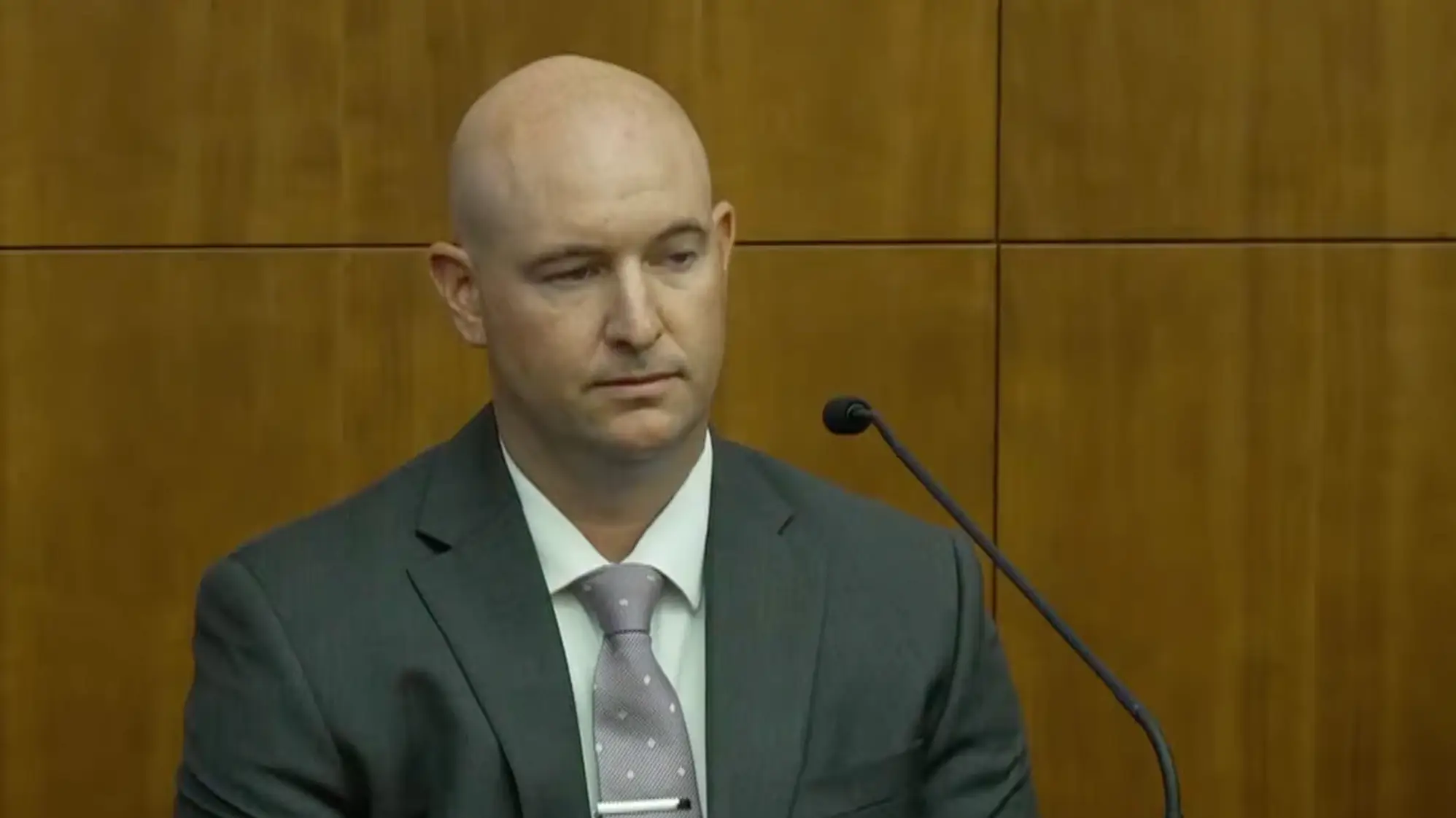
A Massachusetts police sergeant told jurors on Wednesday that he believed prosecutors suspected a psychiatrist had coached Lindsay Clancy to tell her husband she was hearing voices before she allegedly killed her three children.
Clancy, 36, has pleaded not guilty to charges over the January 2023 deaths of her children Cora, five, Dawson, three, and Callan, eight months.
Her legal team does not deny that the she killed them, but argues she was experiencing postpartum psychosis and should not be held criminally responsible.
Advert
The testimony centered on a hospital visit that took place after the children died, when Clancy was recovering from injuries sustained after cutting her arms and neck and jumping from a second-story window.
According to Court TV, Massachusetts State Police Sgt. Dan Lawlor was among the officers assigned to guard her hospital room.
What did the police officer say about Lindsay Clancy's hospital call?
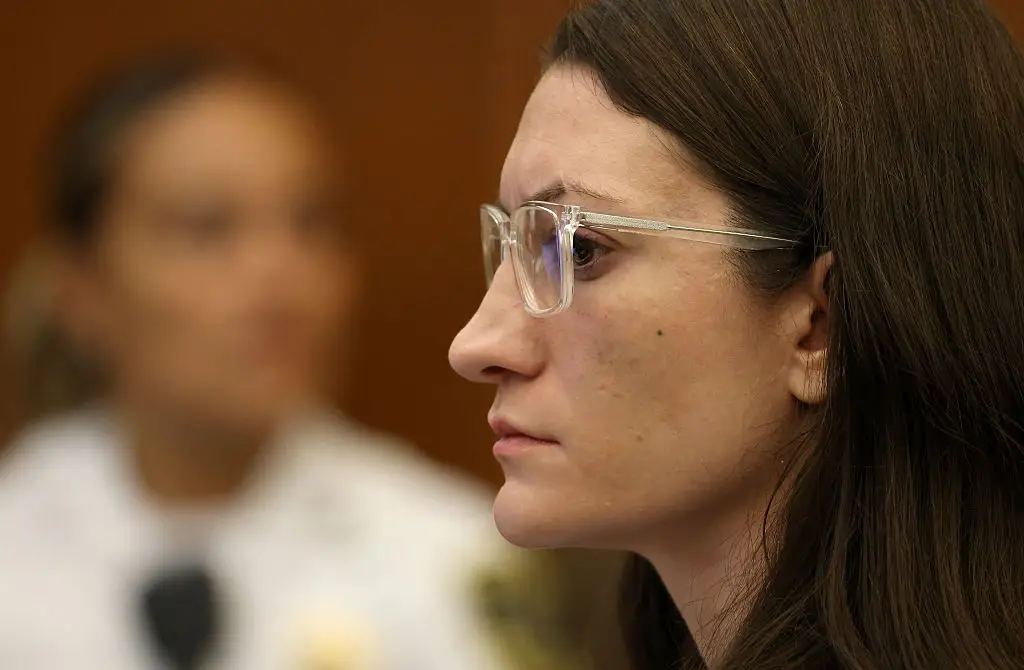
Lawlor told the court that Clancy has been kept from visitors and outside communication while she was hospitalized at Brigham and Women's Hospital.
On one occasion, however, her attorney Kevin Reddington secured a court order allowing psychiatrist Paul Zeizel to visit her.
Lawlor said he was instructed to let Zeizel into the room and that the door was closed during the appointment.
At some point during the visit, Zeizel allowed Clancy to use his phone to call her then-husband, Patrick Clancy.
It was apparently during that conversation that Clancy first told Patrick she had heard a voice urging her to kill the children.
Reddington questioned Lawlor about what he believed prosecutors thought had happened.
He asked: "Isn't it fair to say that one of the contentions of the district attorney is that... I got a court order to go in to see her, told her to call Pat and tell him that she heard voices?"
Lawlor said he understood the prosecutions theory to be that Zeizel had encouraged Clancy to make the call and claim she heard voices.
However, prosecutors challenged the basis for that understanding in court.
Did prosecutors actually tell the officer that was their theory?
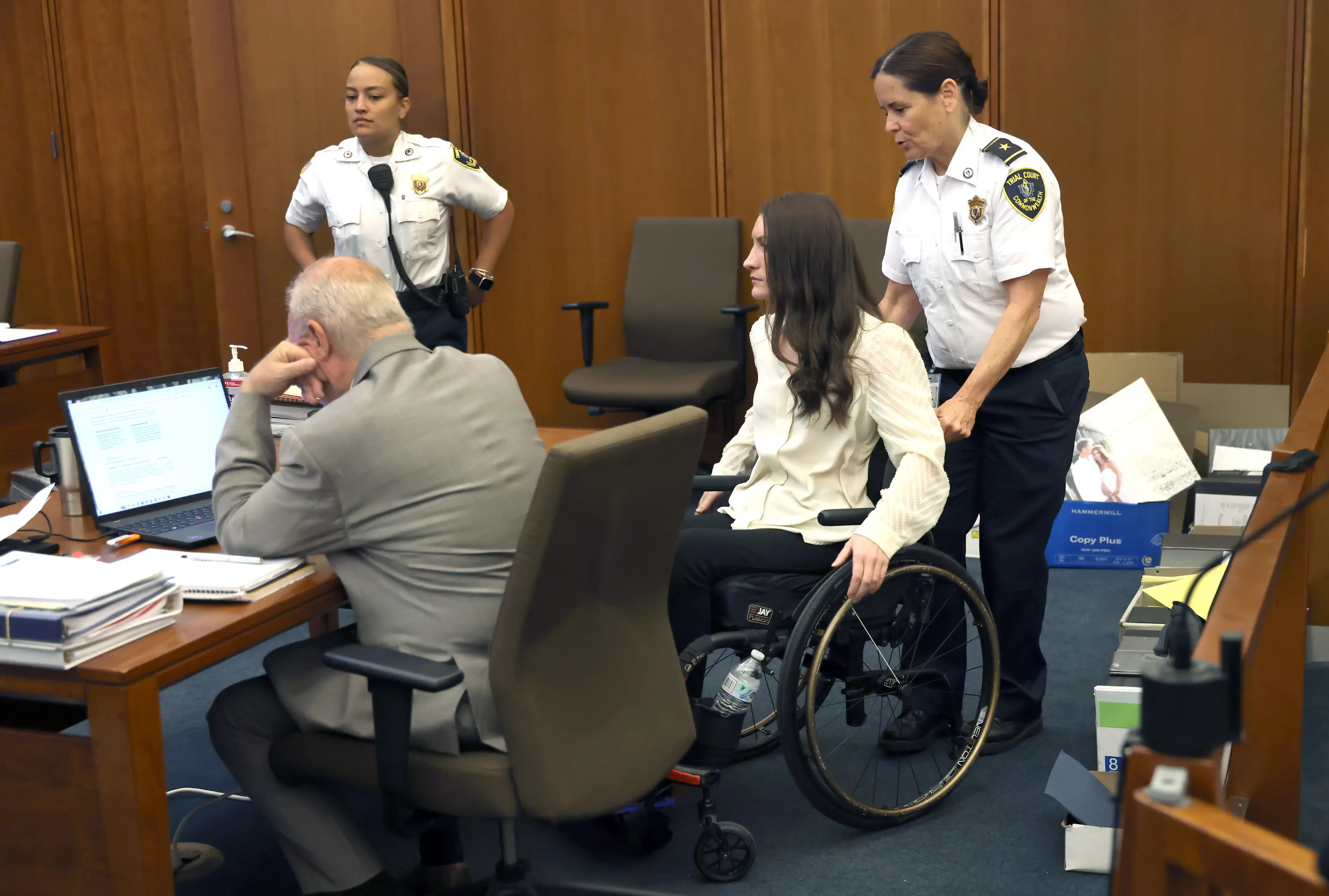
Assistant District Attorney Shanan Buckingham asked Lawlor whether he had ever personally discussed the prosecution's theory of the case with prosecutors. He said he had not.
Lawlor instead told the court that his understanding came from a conversation with the lead detective investigating the children's deaths.
That distinction became an important part of the exchange, as the officer was not saying he had personally been told the theory by the district attorney's office.
The trial is also examining Clancy's mental state before and after the killings. Prosecutors have previously presented testimony from medical professionals who treated her in the days and weeks before the deaths.
Those witnesses said Clancy appeared anxious and had reported depression, but they did not see signs indicating that she was experiencing psychosis or posed a danger to herself or anyone else.
The children were found in the family's basement after Patrick returned home from picking up dinner. Cora and Dawson were pronounced dead after being taken to the hospital, while Callan remained on life support for three days before he died.
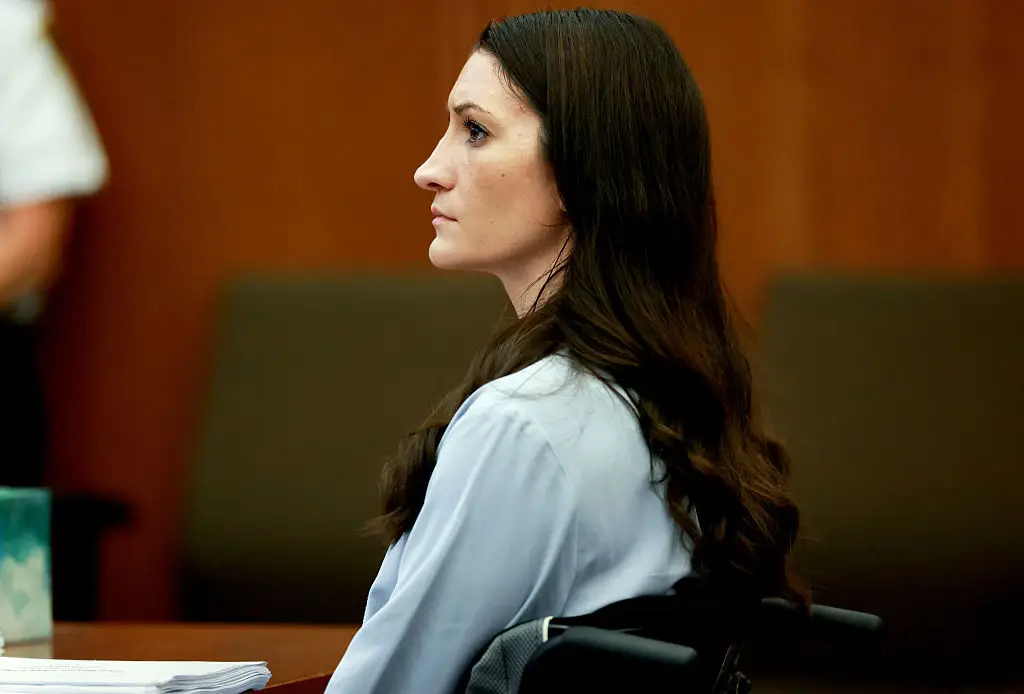
Clancy was hospitalized for months following the incident and is now paralyzed from the injuries she suffered in the fall.
Her defense has maintained that a severe postpartum mental health crisis left her unable to understand or control her actions. The prosecution is challenging that account as jurors continue to hear evidence about what happened before, during and after the children's deaths.
Timeline of Lindsay Clancy case
May 2022
Lindsay gives birth to her third child, Callan.
She’s open about her postpartum struggles with her other two kids on social media. Six weeks after Callan’s birth, she posts that she’s feeling ‘dialed in’ while focusing on exercise, nutrition, and mindset, and ‘it has made all the difference’.
September 2022
As the end of her maternity leave nears, Lindsay, who works as a labor and delivery nurse at Massachusetts General Hospital, starts to experience anxiety about returning to work.
She visits two different psychiatrists and receives a diagnosis of generalized anxiety disorder.
Lindsay is prescribed several different psychiatric medications.
October 2022
According to court docs, she writes in a note on her phone: “I think I sort of resent my other children because they prevent me from treating Cal like my first baby. And I know that’s not fair to them. I know that. I was feeling so depressed last evening when Cora and Dawson came home from school, I know it runs off on them, so we had a pretty rough evening, I want to feel love and connection with all my kids.”
December 2022
Lindsay undergoes an evaluation at the Women and Infants Hospital Center for Women’s Behavioral Health. She is not diagnosed with postpartum depression, prosecutors say.
Lindsay’s husband Patrick tells police she is having suicidal thoughts and thoughts of harming their children, according to his testimony in court.
1-5 January, 2023
Lindsay admits herself to McLean Hospital for psychiatric treatment. She is discharged after five days as clinicians do not believe she poses an imminent danger to herself or others, prosecutors say.
22 January, 2023
Lindsay, Patrick, Cora and Dawson have dinner at family friend Kyle Carney’s home. Kyle later tells police that Lindsay ‘seemed fairly normal’.
23 January, 2023
According to prosecutors, Lindsay pens a note on her phone which says she has ‘a touch of postpartum anxiety’ about going back to work.
24 January, 2023
Prosecutors allege the following took place this day:
Morning: Lindsay takes Cora to a scheduled pediatrician appointment. After returning home, they play in the snow with Dawson. She sends photos of the kids to Patrick and her mom.
4:02pm: Lindsay searches for ‘kids Miralax’ (a laxative) on her phone, and 11 minutes later looks up ‘take out 3v’, referring to restaurant ThreeV in Plymouth. She uses Apple Maps to calculate how long it would take to drive from the family’s home to ThreeV.
4:47pm: Lindsay rings a CVS in Kingston to ask if they have any Miralax in stock. A manager tells her they don’t, but they do have similar medications.
The manager later tells authorities that she did not slur her words or sound impaired during the call.
4:35pm: Lindsay texts Patrick, who is working from home: “Any chance you want to do takeout from 3V … I didn’t cook anything … It’s been a long day.”
Patrick says yes, and Lindsay asks him to ‘check the menu when you can’.
5:10pm: Lindsay calls ThreeV to place the order.
5:15pm: Lindsay allegedly texts Patrick: “Pedialax liquid stool softener.” He then leaves to pick up the medication.
5:33pm: When Patrick arrives at CVS, he rings Lindsay, but she doesn’t pick up. She rings back one minute later and confirms the medication.
5:54pm: Patrick gets to ThreeV, pays for the food and leaves.
6:09pm: Patrick returns home. “The first thing he noticed was the silence,” prosecutors say. “He did not see or hear the defendant or the children.”
Patrick calls for his wife but gets no response. He discovers their second-floor bedroom is locked. Patrick eventually manages to get in the room but sees blood on the floor. He runs outside and finds Lindsay lying on the ground, according to prosecutors.
6:11pm: Prosecutors say that Patrick rings 911 and Lindsay is saying: “I tried to kill myself.”
He is then said to ask Lindsay: “Where are the kids?” She responds: “In the basement.”
While on the call, Patrick goes down to the basement and is heard ‘screaming in agony’,
Cora and Callan are discovered on the floor of the den. Dawson is found in his dad’s home office.
When officers arrive at the scene, Patrick alleges: “She killed the kids.”
Lindsay is taken to hospital, where she is treated for injuries that leave her paralysed below the waist. The three children are also rushed to hospital.
7:28pm: Cora and Dawson are pronounced dead. Callan is medically flown to another children’s hospital.
25 January, 2023
Police issue Lindsay an arrest warrant, charging her with two counts of murder, three counts of strangulation or suffocation, and three counts of assault and battery with a dangerous weapon.
27 January, 2023
Callan is pronounced dead at 11.18am.
According to Assistant District Attorney Jennifer Sprague, Lindsay later wakes up and uses a whiteboard to ask: “Do I need an attorney?”
6 February, 2023
While in the presence of a psychologist hired by her lawyer, Lindsay calls Patrick and tells him she had a ‘moment of psychosis’ and heard ‘a man’s voice telling her to kill the kids and kill herself’ after he left on January 24.
7 February, 2023
On the day of her arraignment, Lindsay’s attorney says that she’s still suicidal. She pleads not guilty to three counts of murder.
October 2024
Patrick asks the public to forgive Lindsay, telling The New Yorker: “I wasn’t married to a monster - I was married to someone who got sick.”
January 2026
Lindsay and Patrick file a civil lawsuit, accusing medical providers of not properly diagnosing, treating and monitoring her for a ‘severe postpartum psychiatric condition’.
9 July, 2026
The Plymouth County District Attorney's Office says the three counts of strangulation would be subsumed into the murder charges.
27 July, 2026
Lindsay’s murder trial begins.
If you have experienced a bereavement and would like to speak with someone in confidence, contact The Compassionate Friends on (877) 969-0010.
Topics: Lindsay Clancy, True crime, Mental Health, US News
 Thomas Bamford