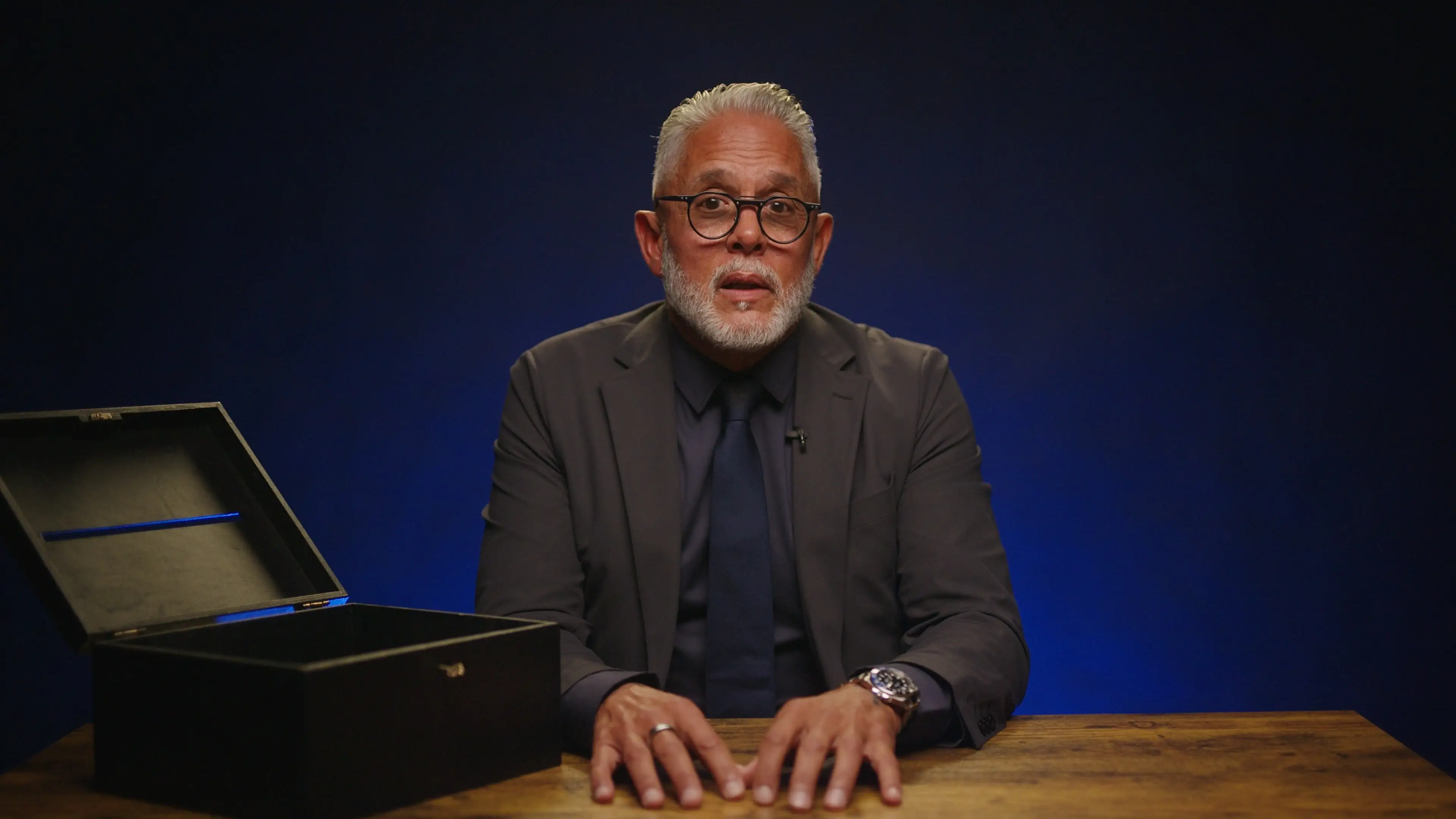
Where you're most likely to be murdered and who's most likely to do it, according to former homicide detective

A retired homicide detective has revealed where he believes people are most likely to be murdered — and the person responsible may be much closer than you might expect.
Vince Velazquez spent 17 years investigating homicides in Atlanta, Georgia, after beginning his career as a patrol officer and later working in a tactical drug unit.
Over almost two decades in homicide, Velazquez dealt with everything from shootings and strangulations to burned and decomposed bodies, whilst attempting to piece together who was responsible and why.
He also served as a hostage negotiator for 19 years, giving him plenty of experience dealing directly with people accused of extremely serious crimes.
Advert
Now retired, Velazquez sat down with LADbible Stories' Honesty Box to answer some of the questions people might be too afraid to ask a former murder detective.
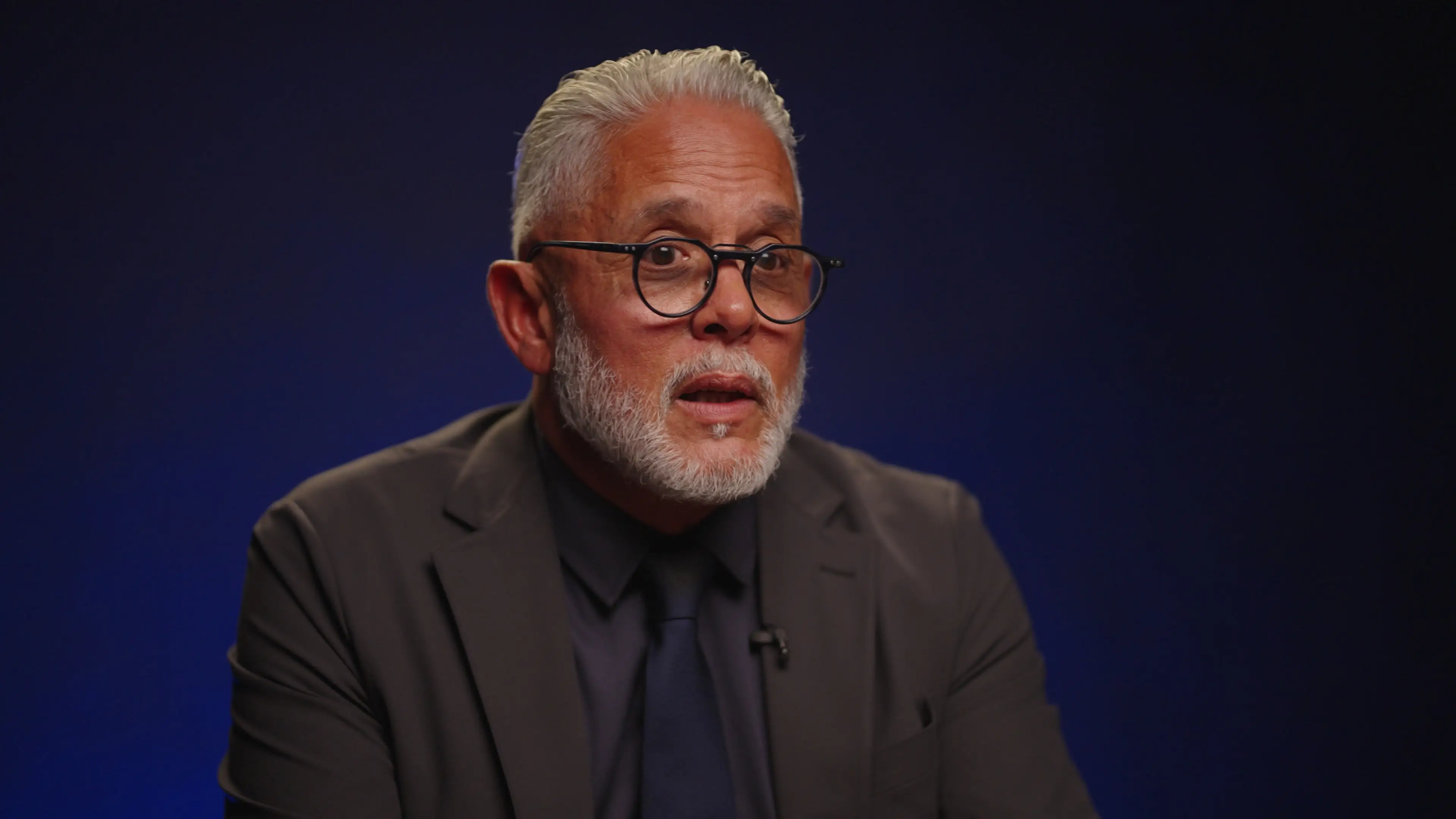
So, when asked where someone is most likely to be killed, he didn't hesitate.
Velazquez said: “Easy, easy answer: in your home.”
While the thought of being attacked by a stranger on the street might be what immediately springs to mind, the detective said his experiences told a different story.
He continued: “Most stranger-on-stranger crimes occur in your car or on the street when, you know, you're travelling and if you're an easy target or you're living a high-risk lifestyle.
“I've had cases where they have occurred on the front porch, in the living room, the bedroom, the bathroom.
“Many sexual assault homicides occur when a burglar may break into a house at night when a woman may be sleeping in her bedroom. Those tend to be more in the bedroom, but most homicides occur in a home, especially with domestic situations.”
Velazquez added: “It could happen anywhere where a husband may snap, strangle his wife. It could happen anywhere within the house or even in the yard.”
Perhaps equally unsettling is his answer to who is most likely to be responsible.
According to Velazquez, homicide investigations frequently begin by looking at the people already connected to the victim rather than searching immediately for an unknown attacker.
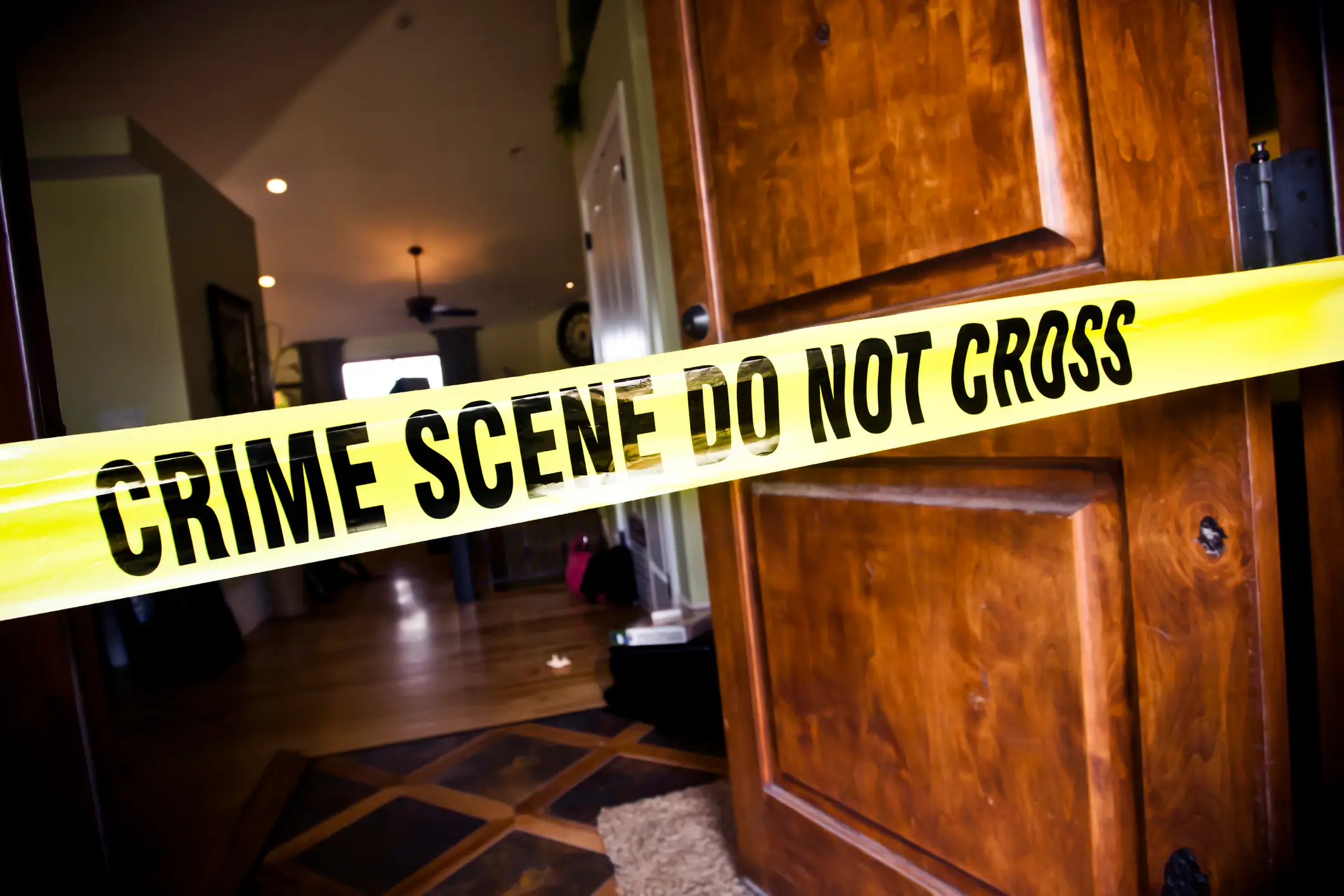
He explained: “Most homicides in the US are committed by people who are connected to the victim.
“I would say 80 to 90% of all homicides, it's someone in their ecosystem, someone they're associated with, someone they're in a relationship with, a neighbour, a friend, a relative.”
That connection can also provide investigators with their first major clue, as Velazquez said understanding the victim is crucial to figuring out what happened.
He continued: “So a lot of times it's easy to start again with the victim and understanding who may have wanted that person dead or who may have wanted to cause harm to that victim.”
That process, known as victimology, became a central part of how Velazquez approached cases throughout his career.
He explained: “Victimology tells you exactly what happened. If you study your victim hard enough, a lot of times you can figure out exactly why they were killed.”
That approach also helped narrow down potential suspects, particularly in cases where there was no obvious motive at first.
Velazquez said: “But as a homicide detective, the motive is so important because if you can understand why it happened, many times you can understand and discover who did it, the who of it.”
He added that this meant looking closely at the victim’s relationships, circumstances, and history for anything that could point investigators towards a reason they were targeted.
Velazquez especially noted that process usually began with one key principle: 'You start with the victim.'
Topics: True crime
 Ben Williams