Erin Andrews speaks out on 2008 hotel stalking scandal and why the trauma never truly leaves

NFL sideline reporter Erin Andrews has laid bare the enduring trauma and psychological toll of her infamous 2008 hotel stalking ordeal, admitting she still attends regular therapy sessions to cope with lingering PTSD nearly two decades later.
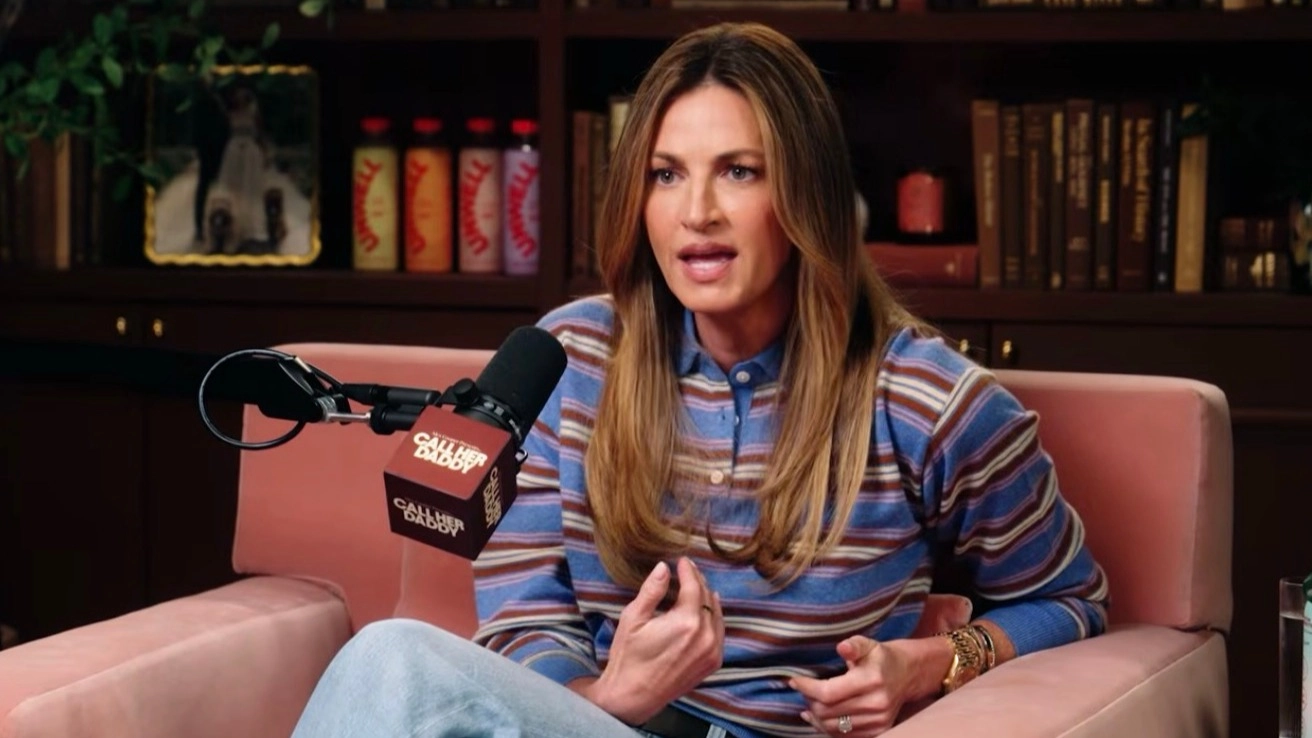
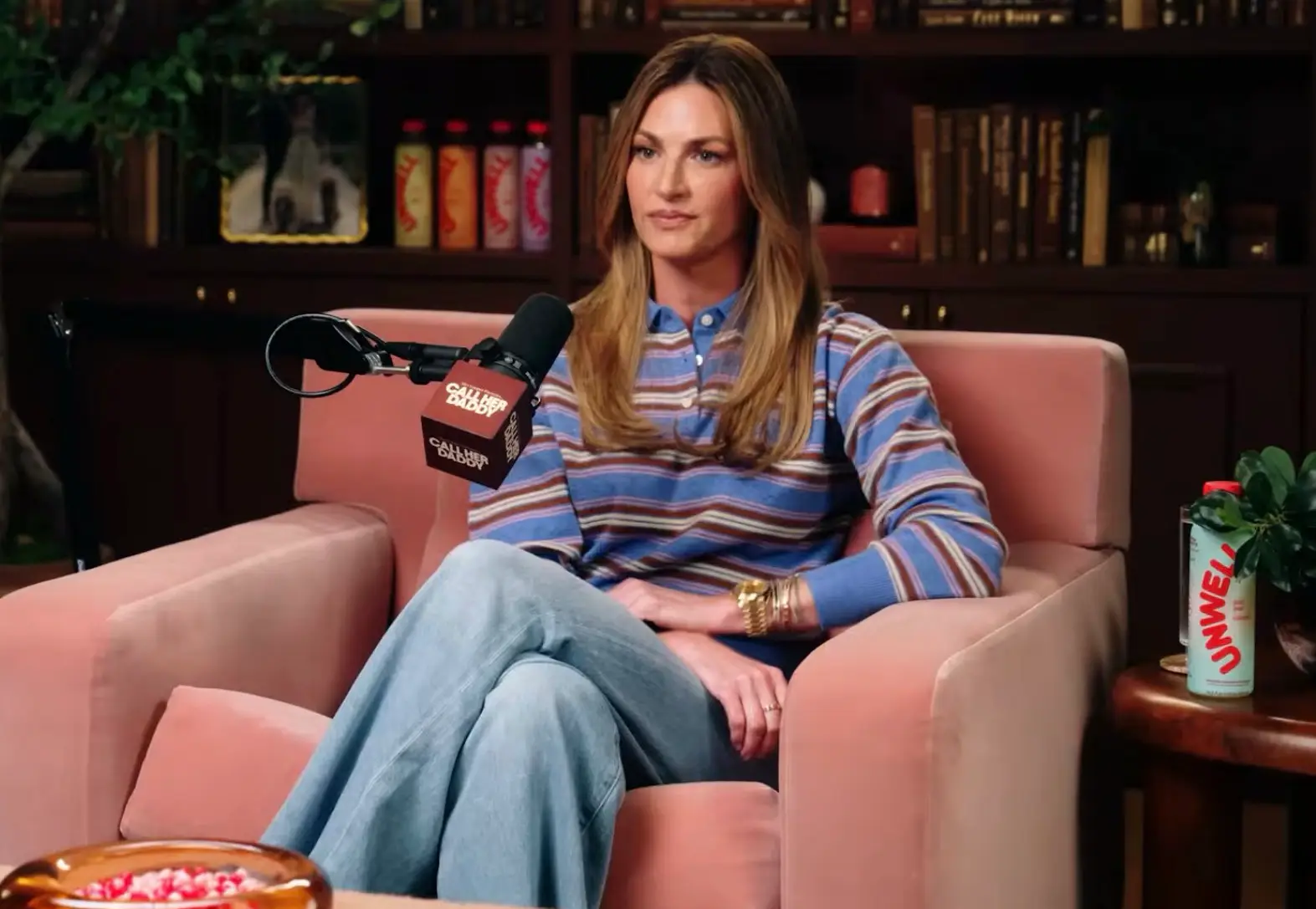
Speaking on Wednesday's episode of the Call Her Daddy podcast, the 48-year-old sports broadcaster sat down with host Alex Cooper to reflect on the defining violation that completely upended her personal life and early television career.
The incident took place in 2008 when stalker Michael David Barrett tracked Andrews' travel schedule across cities, booked adjoining rooms, altered the peephole on her hotel room door, and secretly filmed her undressed before leaking the footage onto the internet.
Revisiting the horrific moment the news first reached her, Andrews recalled receiving an urgent call from a friend who worked in digital media while she was away traveling for career meetings.
Advert
"I came back from a bunch of meetings and I got a call from my friend... and he had been calling me all day and he just said, 'Erin, I have to talk to you,'" Andrews recalled. "And he's like, 'There's naked video of you all over the internet.' And I said, 'No, there's not. I don't do that. I just don't.' And he got really really upset. And he goes, 'Erin, I'm sending it to you.'"
Once she opened the file, the terrifying reality of what had occurred set in immediately.
"I looked at it and I said, 'I have to go.' I called my mom and dad right away. I was screaming, crying because it was me and it was me naked in a hotel room walking around," Andrews explained. "I just [had an] out-of-body experience, started screaming. My dad said when I called he thought I was in a car accident because I was screaming so hard."
At the time, Andrews was terrified that the sickening invasion of her privacy would permanently ruin her professional credibility in an already demanding, male-dominated industry.
"I just said to my dad, 'It's over. My career's over. Like no one's going to take me seriously ever again,'" she told Cooper. "That's all I ever wanted, right? Was people to turn on me on and just say, 'Oh my gosh, I would love to have a beer with her and talk football with her'... and I just thought, 'This is so dirty. No one's going to ever want to work with me again, talk to me again. This is gross. This changes who I am.'"
To make matters worse, the technological and cultural landscape of the late 2000s offered very little protection or legal recourse for female victims of non-consensual imagery.
Instead of receiving widespread empathy, Andrews found herself subjected to fierce public scrutiny and victim-blaming, with tabloid headlines and commentators accusing her of staging the entire ordeal as a cheap publicity stunt to elevate her profile.
"I did it to myself—that I was on the cover of newspapers, just a still frame of the video, my naked body, and it said 'ESPN scandal,'" she recalled. "People thought I did it to myself for publicity or to, you know, help my career, which was the exact opposite of how I was feeling. I was feeling shame, like I would never get work again. I would never be taken seriously."
Overwhelmed by the humiliating public reaction, Andrews was forced to retreat entirely from the public eye.
"I left my home in Atlanta and went to go stay with my mom and dad and I hid in my high school bedroom," she admitted.
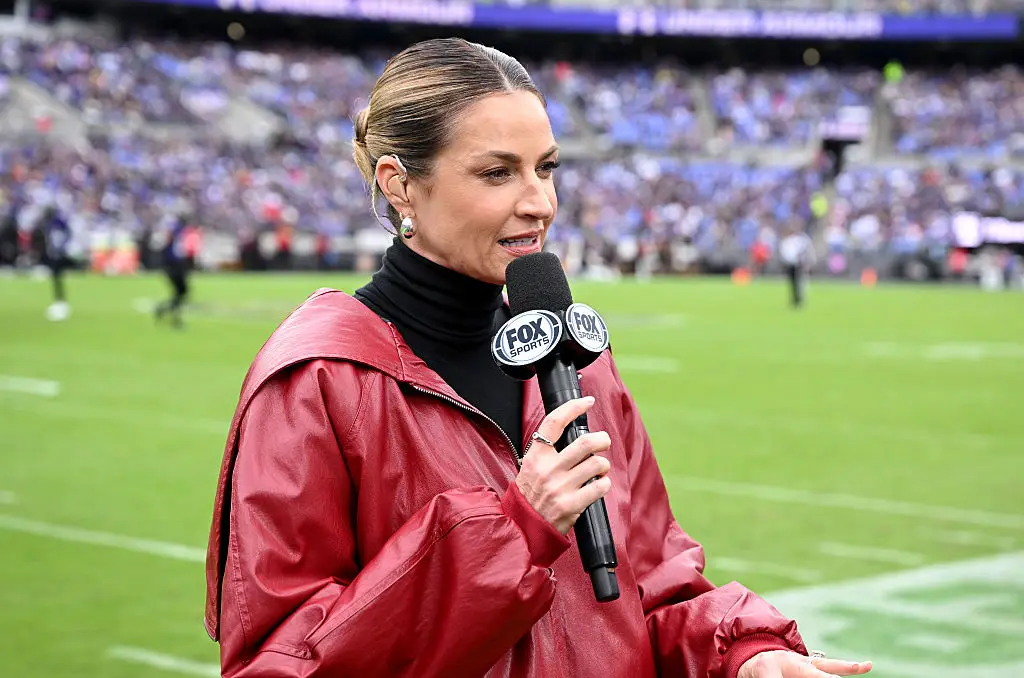
When she finally did return to the sidelines to broadcast, the intense psychological weight of the leak followed her into the stadiums.
"I remember walking around stadiums... some stadiums have 100,000 people, thinking everybody in the stadium has seen me naked and I didn't have a choice," Andrews confessed. "Just if I would talk to people, I feel like in the back of their head they're thinking about it."
She revealed that the only place she managed to find any semblance of peace during the firestorm was doing the actual job itself.
"My safe place, and I am so proud of this, was the football field," she said. "Which is wild, because you're sitting there and you're reporting to 20 million people and how is that your safe place? But it's been for a lot of stuff... That's how I dealt. I threw myself right back into work."
Barrett was eventually arrested by the FBI in late 2009 following a federal investigation and served 30 months behind bars.
In 2016, Andrews was awarded $55 million by a Nashville jury in a landmark civil lawsuit against Barrett and the hotel management companies, which established that the hotel was negligent in giving out her room information and placing Barrett in a room directly beside her.
While the high-profile legal victory forced monumental security overhauls across the hospitality industry—including strict policies preventing hotels from disclosing guest room numbers—Andrews confessed that the personal trauma can never be neatly erased.
"Hotels have to go about things differently... luckily a lot of hotels had to watch my trial and see changes need to be made and security measures," Andrews noted.
However, when asked how she processes the emotional fallout today, the veteran reporter acknowledged that the psychological wounds remain raw.
"It took me a really long time to accept that," Andrews confessed. "I still need to continue therapy over it because little things will happen where like the PTSD of it comes up and you're like, 'Holy st, that's from all of it.'"
 Phoebe Tonks