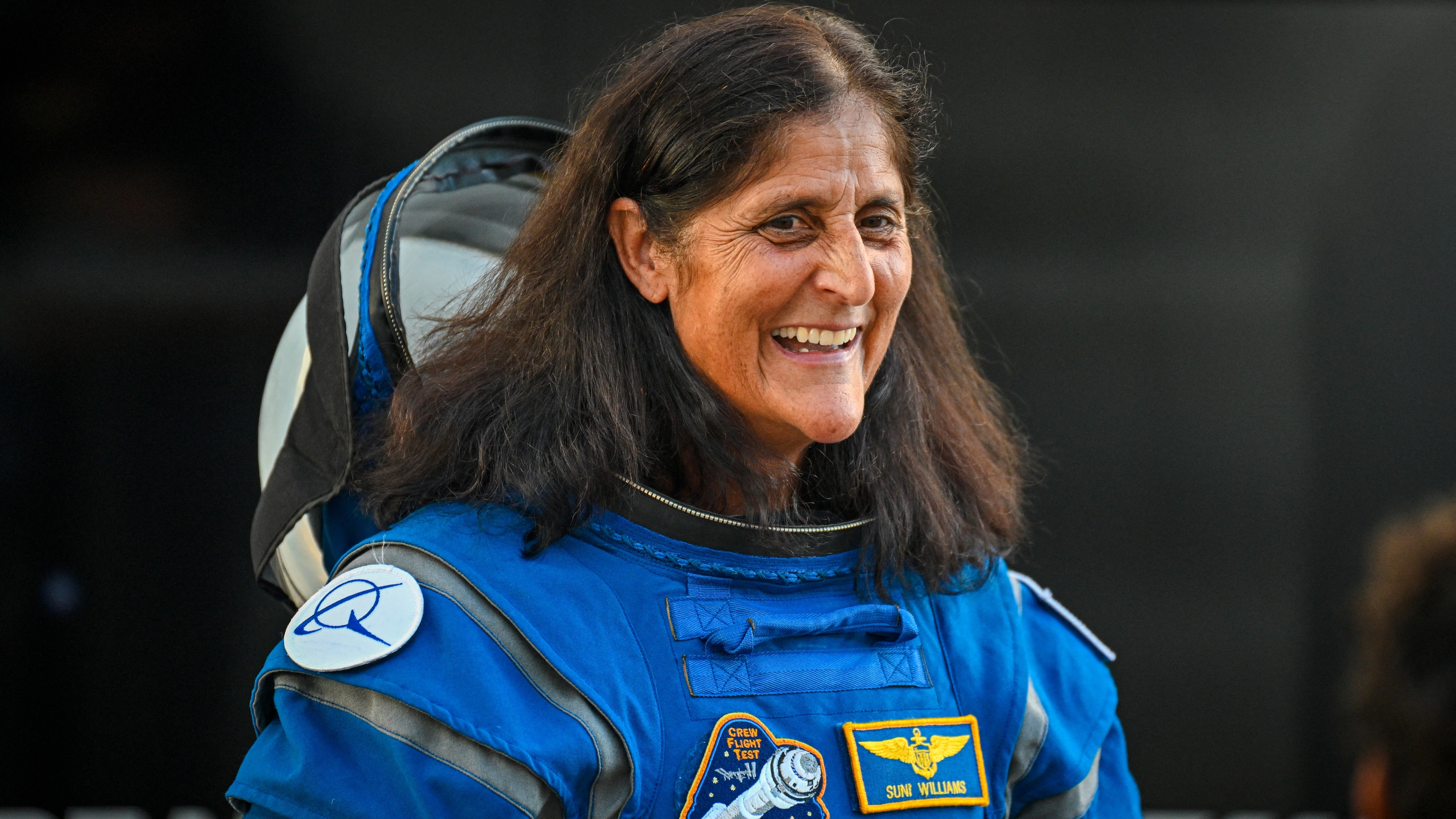
Astronaut Suni Williams explains what she realized when looking down at the Earth after 608 days in space

NASA astronaut Suni Williams has announced her retirement after 27 years at the agency – and 608 days in space.
For the vast majority of us, working in space is nothing but a pipe dream.
While living aboard the International Space Station (ISS) and contributing to scientific breakthroughs sounds rewarding, it's a tough path to tread.
It takes brains, strength – both physical and mental – as well as the ability to remain calm under pressure.
Advert
And Suni Williams has certainly proven her resilience throughout her almost three-decade career with NASA.
On Tuesday (January 20), the agency confirmed news of her retirement, effective from December 27.
The 60-year-old has visited space three times and completed nine spacewalks, first blasting off onboard the Discovery shuttle in December 2006, as NASA reflects.
Though last year, she and fellow US astronaut Butch Wilmore found themselves at the center of international headlines when their eight-day ISS stopover went awry.
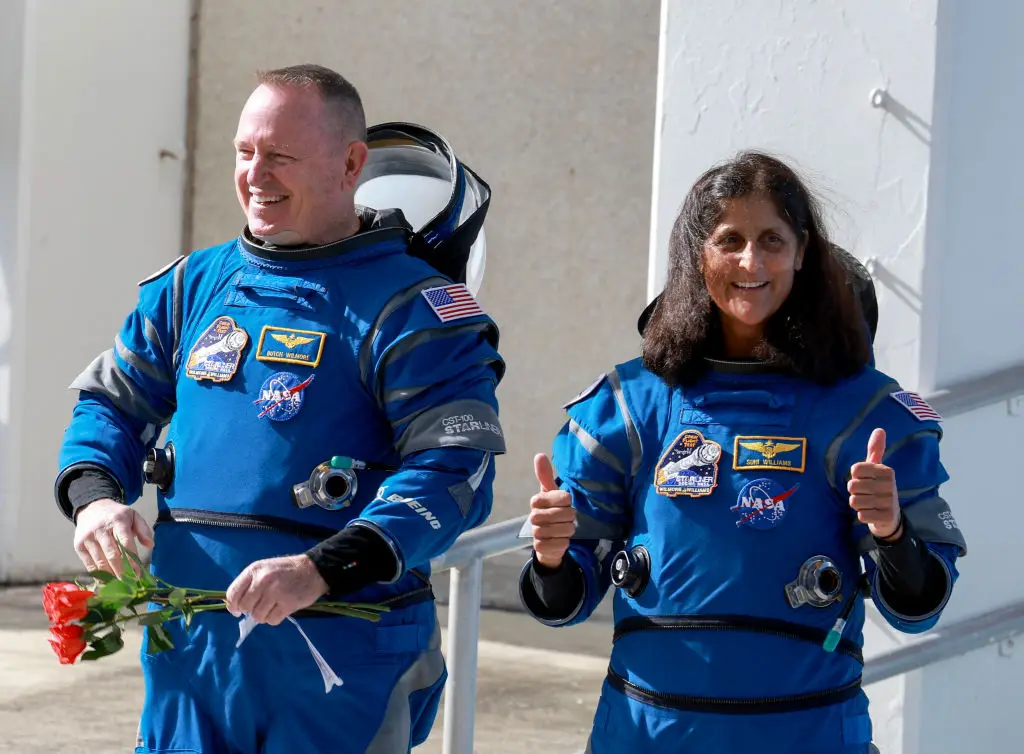
Technical issues with their Boeing transportation capsule meant they were unable to safely return to Earth, turning their week-long mission into more than nine months.
In fact, 286 of Suni's 608 days in space are attributed to that very mission.
Ultimately, it was Elon Musk's SpaceX who saved the day, sending a Dragon capsule to safely bring them home on March 18 2025.
Suni has logged the second-highest total time in space of any NASA astronaut, surpassed only by Peggy Whitson, who holds the record with 695 days.
Having such a unique view of our planet sees astronauts experience what's known as the 'overview effect' – a series of intense emotions and realizations about our very existence.
Reflecting on this in 2013, Suni told the National Science Center in India (via The Hindu): "My space expedition has changed my perspective towards people.
"Looking down at the Earth, we could not see borders or people with different nationalities.
"It was then that realization dawned on us that all of us are a group of human beings and citizens of the universe."
Reflecting on the new generation of space travelers, she told them: "I wish I was 20 years younger and started my career all over again. I am envious of them."
Describing her time with NASA as an 'incredible honor,' Suni said of her retirement: “Anyone who knows me knows that space is my absolute favorite place to be."
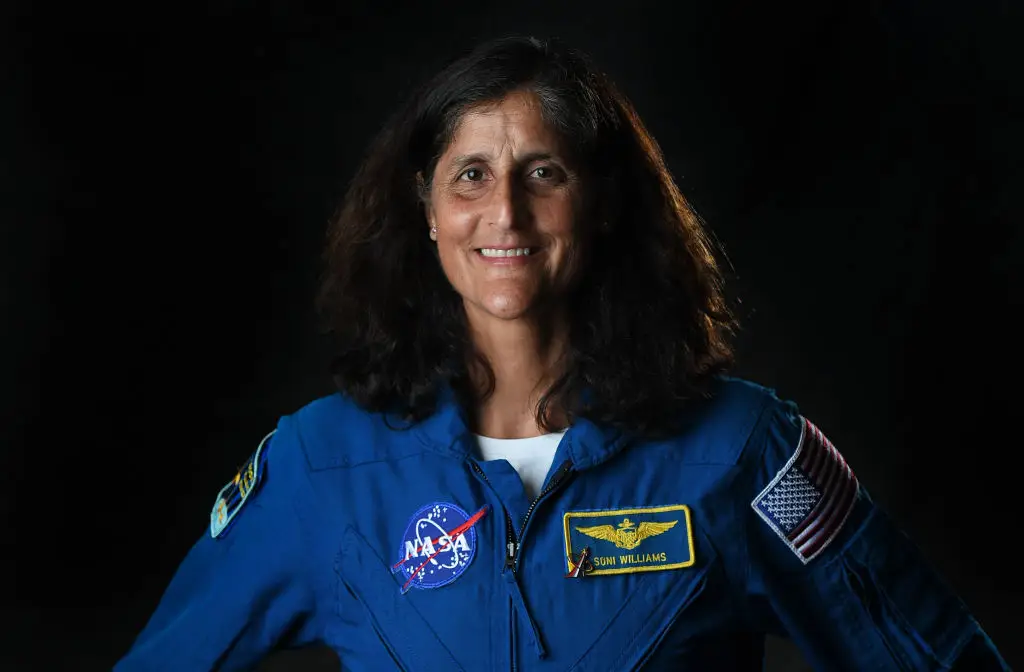
"I had an amazing 27-year career at NASA, and that is mainly because of all the wonderful love and support I’ve received from my colleagues.
"The International Space Station, the people, the engineering, and the science are truly awe-inspiring and have made the next steps of exploration to the Moon and Mars possible.
"I hope the foundation we set has made these bold steps a little easier."
Suni’s other missions included spending nine days living in an underwater habitat as part of NASA’s Extreme Environments Mission Operations crew, as well as directing operations for Russia’s Star City space training centre.
Before retiring in December, she also helped develop helicopter training platforms designed to prepare astronauts for future Moon landings.
"I am super excited for NASA and its partner agencies as we take these next steps, and I can’t wait to watch the agency make history.”
Topics: Space, NASA, US News, International Space Station, World News
 Ellie Kemp